VCS/CCB-certified REDD+ project covering 660,000 ha in Petén's Maya Biosphere Reserve; 12 community concessions managed by ACOFOP and CONAP project 38 million …
Flores, Guatemala
Good practice
Evidence: Observational / pre–post
Top 14%60/100
VCS-certified mangrove restoration in the Ayeyarwady Delta: 2,065 ha restored since 2015, targeting 3.6 MtCO2e over 20 years (~184,000 tCO2e/yr). WIF with …
Plan Vivo-certified indigenous community project protecting 806 ha of primary rainforest in Choiseul Province; three Babatana tribal clans have verified 108,895 tCO2 …
Taro, Solomon Islands
Good practice
Evidence: Observational / pre–post
Top 14%60/100
Plan Vivo-certified rangeland carbon project in central Mongolia; 100+ herder households across 70,000 ha practice sustainable rotational grazing, yielding 24,850 tCO2 independently …
Ulaanbaatar, Mongolia
Good practice
Evidence: Descriptive / self-reported
Top 14%60/100
Government-led FCPF programme protecting 4.3M ha (2.7M ha forest) around Taï National Park. Delivered 7M tCO₂e verified reductions by 2024; World Bank …
Soubré, Côte d'Ivoire
Good practice
Evidence: Descriptive / self-reported
Top 14%60/100
India's first Plan Vivo-certified community forest carbon project: 27,000 ha of subtropical broadleaf forest in East Khasi Hills, Meghalaya. Since 2011: 532,000+ …
Shillong, India
Good practice
Evidence: Observational / pre–post
Top 14%60/100
REDD+ project protecting 182,000 ha of Amazonian forest in San Martín, Peru. Between 2008–2020: 59% deforestation decline, 8.4M tCO2e prevented, 1,300+ conservation …
Moyobamba, Peru
Good practice
Evidence: Observational / pre–post
Top 27%53/100
Since 1999, TIST has organised smallholder farmers into self-governing 'small groups' across Kenya, Uganda (incl. Soroti), Tanzania and India. Verra's verified count: …
Soroti, Uganda
Good practice
Evidence: Observational / pre–post
Top 27%53/100
Plan Vivo-verified REDD+ project protecting 110,500 ha of Hadza and Datoga community land in northern Tanzania, avoiding a cumulative 652,082 tCO2 by …
Mbulu, Tanzania
Good practice
Evidence: Observational / pre–post
Top 27%53/100
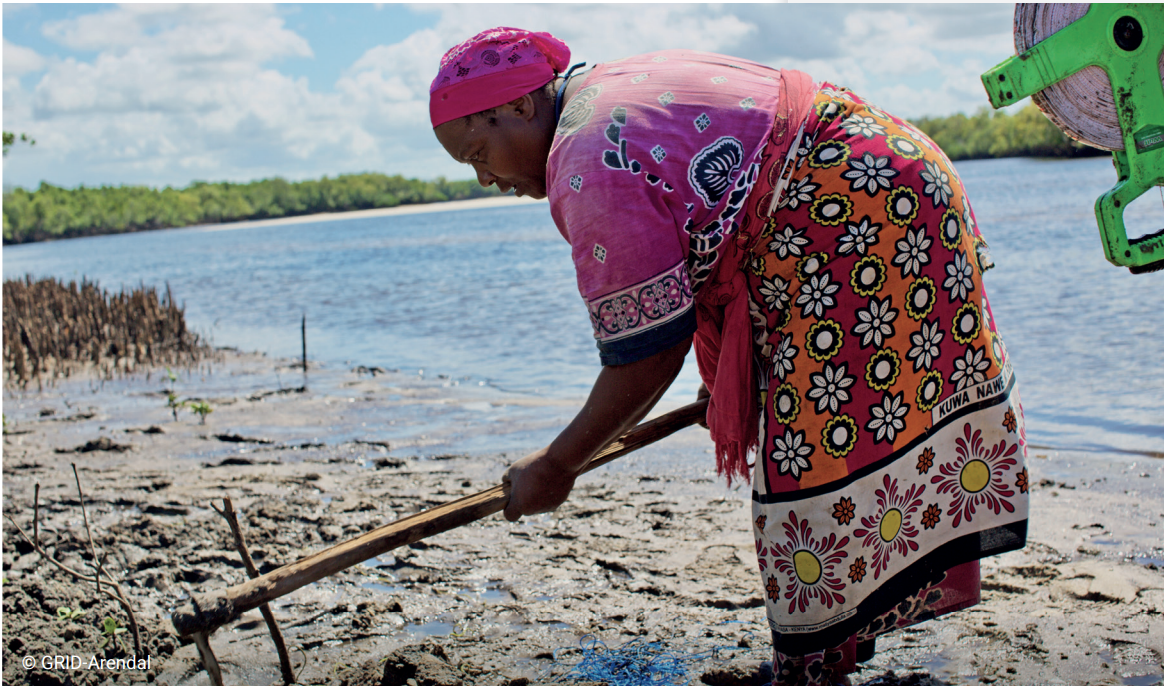
Since 2013, Mikoko Pamoja has conserved 117 ha of mangrove in Gazi Bay, Kenya, the world's first community mangrove-carbon project. Plan Vivo-certified …
Gazi, Kenya
Good practice
Evidence: Descriptive / self-reported
Top 27%53/100
Parliament-mandated fund (2020) pays landowners to convert drained farmland to forests/wetlands, financed by certified CO₂ credits. By 2022: 24 forests, 230 ha, …
Copenhagen, Denmark
Good practice
Evidence: Observational / pre–post
Top 27%53/100
Korea Forest Service's statutory carbon scheme, linked to the national ETS since 2013, lets forest landowners earn verified credits through six methodologies …
Daejeon, South Korea
Good practice
Evidence: Observational / pre–post
Top 27%53/100