Seniors Go Digital
Singapore
Singapore's IMDA provides free 1-on-1 digital coaching to seniors at 100+ community hubs with subsidised devices for low-income elderly; 210,000+ …
Canada · Toronto · See the Canada profile
A Toronto nonprofit pairs trained teen/young-adult volunteers with older adults for one-on-one tech and online-safety mentoring; peer-reviewed University of Rhode Island studies found significant digital-competence gains, plus honestly reported null results on loneliness.
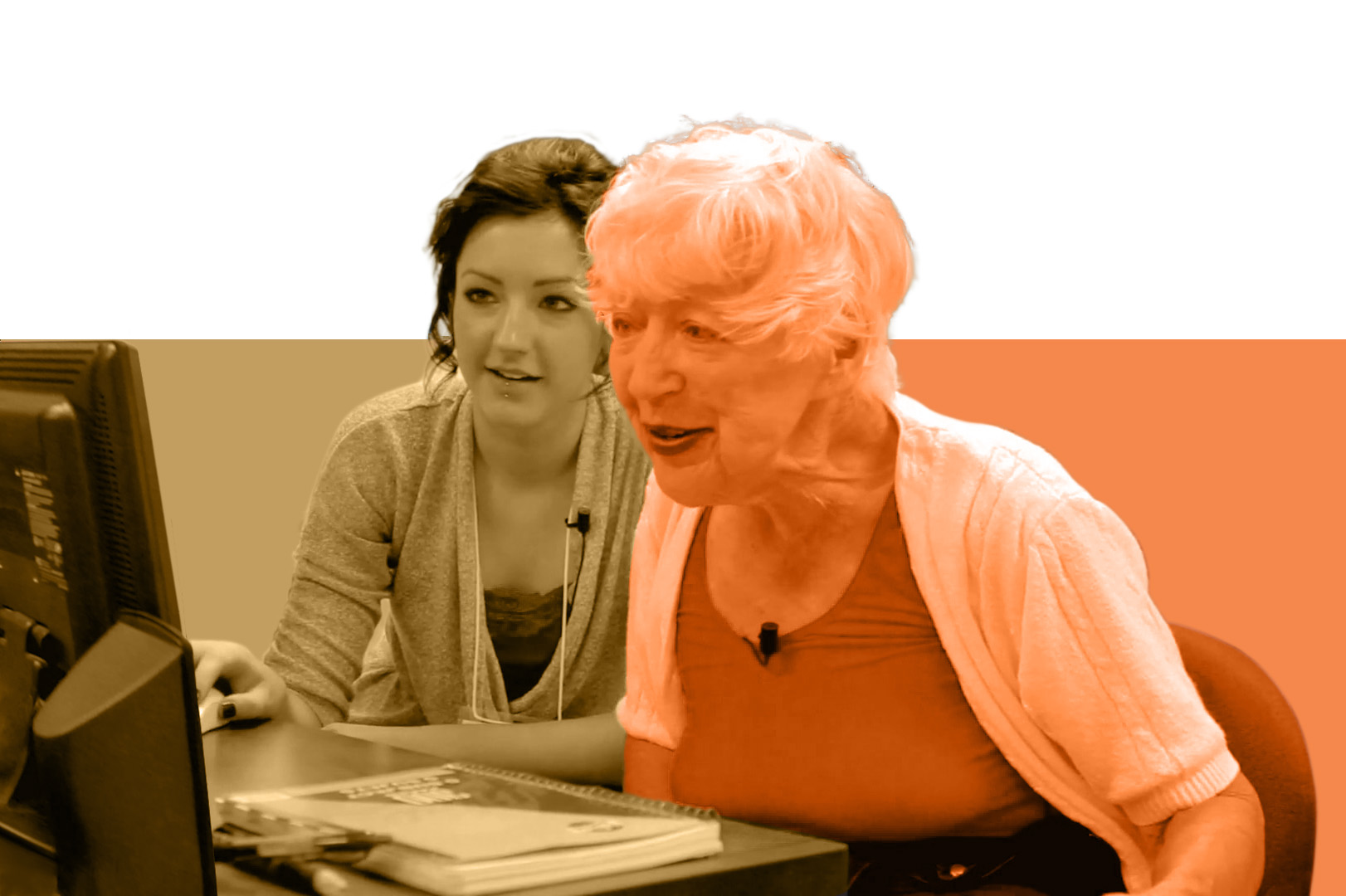
Cyber-Seniors is a Toronto-based nonprofit, incorporated in January 2015, that grew out of a 2009 high-school volunteer project in Ontario's Niagara region. Its model is "reverse mentoring": trained high-school, college and university student volunteers are matched with older adults — in retirement homes, community centres, and increasingly by phone and webinar since a pandemic-era pivot to virtual delivery — to build comfort and competence with computers, smartphones and the internet, including online-safety topics.
The organisation's 2020 annual report documented technology training and support delivered to 8,500+ seniors and 25,000+ attendees at online sessions, run by 1,500+ student volunteers contributing 5,000+ hours. A 2024 independent profile by HundrED put lifetime reach at around 3,200 learners and 3,000+ volunteers across four countries. Two peer-reviewed University of Rhode Island evaluations (Leedahl et al. 2018; Leedahl & Serrano 2019), using validated instruments with a sample of 41 older adults, found statistically significant gains in participants' digital competence and interest in technology, and in student volunteers' attitudes toward ageing.
The same University of Rhode Island evaluations did not find a statistically significant programme-wide reduction in loneliness or social isolation, a genuinely mixed result. The 2024 HundrED lifetime-reach figure (around 3,200 learners) is also smaller than the single-year 2020 total (8,500+ seniors), an inconsistency the source flags rather than resolves.
Implementation detail (cost, timeline, staffing, conditions for success) is not yet available for this practice.
Where this practice's information was retrieved from, and when.
Singapore
Singapore's IMDA provides free 1-on-1 digital coaching to seniors at 100+ community hubs with subsidised devices for low-income elderly; 210,000+ …
Australia
NSW Government and Telstra joint programme offering free or low-cost digital literacy training for people aged 60+ in 100+ public …
Zambia
Under Zambia's GRZ-UN Joint Programme on Gender-Based Violence, UNDP and ZICTA opened ICT hubs at schools in Chongwe, Chisamba and …
North Macedonia
Since 2022, North Macedonia's Institute of Communication Studies has partnered with the Pensioners' Union, funded by the British Embassy, to …
Open full copilot Grounded in cited practices — always check the sources.