Ruta N — Medellín Innovation and Business Centre
Colombia
Public-private hub founded 2009 by Medellín's mayor and utility EPM. Quintuple-helix connector for startups, academia, government and industry; COP 70 …
Malaysia · Cyberjaya · See the Malaysia profile · See the Cyberjaya profile
Evidence: Descriptive / self-reported Top 74% 57/100 · Ask Evidence Copilot about this practice
Malaysia's 1997 Multimedia Super Corridor flagship has been relaunched under a masterplan targeting RM250 billion in GDP and 87,000 jobs by 2045; it currently runs 47 smart-city pilots and drew over RM30 billion in new data-centre investment in 2024–2025.
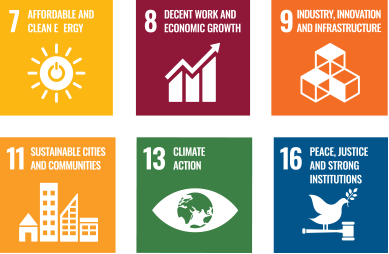
Cyberjaya was founded in 1997 as the anchor development of Malaysia's Multimedia Super Corridor. In its 'Cyberjaya 2.0' phase, master developer Cyberview — wholly owned by Malaysia's Ministry of Finance — has published a new masterplan projecting RM250 billion GDP contribution, 87,000 jobs and 11,200 resident companies by 2045.
On the ground today, Cyberview reports 47 active smart-city pilot projects, 179 public Wi-Fi access points, 17 EV charging stations and 15 urban-mobility pilots. The corridor hosts 40,000+ knowledge workers and 28,000 students across six universities. Since 2013, Cyberview's CLLA start-up accelerator has supported resident companies.
51% of local retailers accept cashless payment. The CLLA accelerator has helped resident companies raise more than RM255 million in investment and generate over RM792 million in cumulative revenue, creating 1,450+ jobs since 2013. 2024-2025 brought over RM30 billion in newly announced data-centre investment from EdgeConneX, Equinix and Vantage Data Centres (Vantage committing a second, US$3 billion campus).
The RM250 billion/87,000-job figures are Cyberview's own 2045 masterplan projections rather than audited outcomes — targets, not achieved results. The accelerator and data-centre figures are the closest verified proxies for real traction to date.
National / regional programmes
Indicative funding routes for practices of this type — always check each programme's current calls and eligibility rules.
Do you run this practice? Claim it — verified implementers get a public contact pathway and can propose corrections.
Where this practice's information was retrieved from, and when.
Colombia
Public-private hub founded 2009 by Medellín's mayor and utility EPM. Quintuple-helix connector for startups, academia, government and industry; COP 70 …
Finland
Helsinki converted its oldest hospital campus, closed 2014, into Maria 01, a non-profit startup hub co-owned by the city; by …
Singapore
one-north is a 200 ha state-planned R&D and innovation district in Queenstown, Singapore. With 400+ leading companies, 800+ startups and …
Taiwan
Since 2016, Taipei's Smart City PMO has run nearly 600 public-private matchmaking meetings and vetted 100+ pilot proposals, converting about …
Open full copilot Grounded in cited practices — always check the sources.