inDigiMOB — Indigenous Digital Mentors for Remote Communities
Australia
Since 2016, First Nations Media Australia's inDigiMOB has trained Aboriginal and Torres Strait Islander people as peer "Digital Mentors," reaching …
Belarus · Minsk · See the Belarus profile · See the Minsk profile
Evidence: Descriptive / self-reported Top 99% 16/100 · Ask Evidence Copilot about this practice
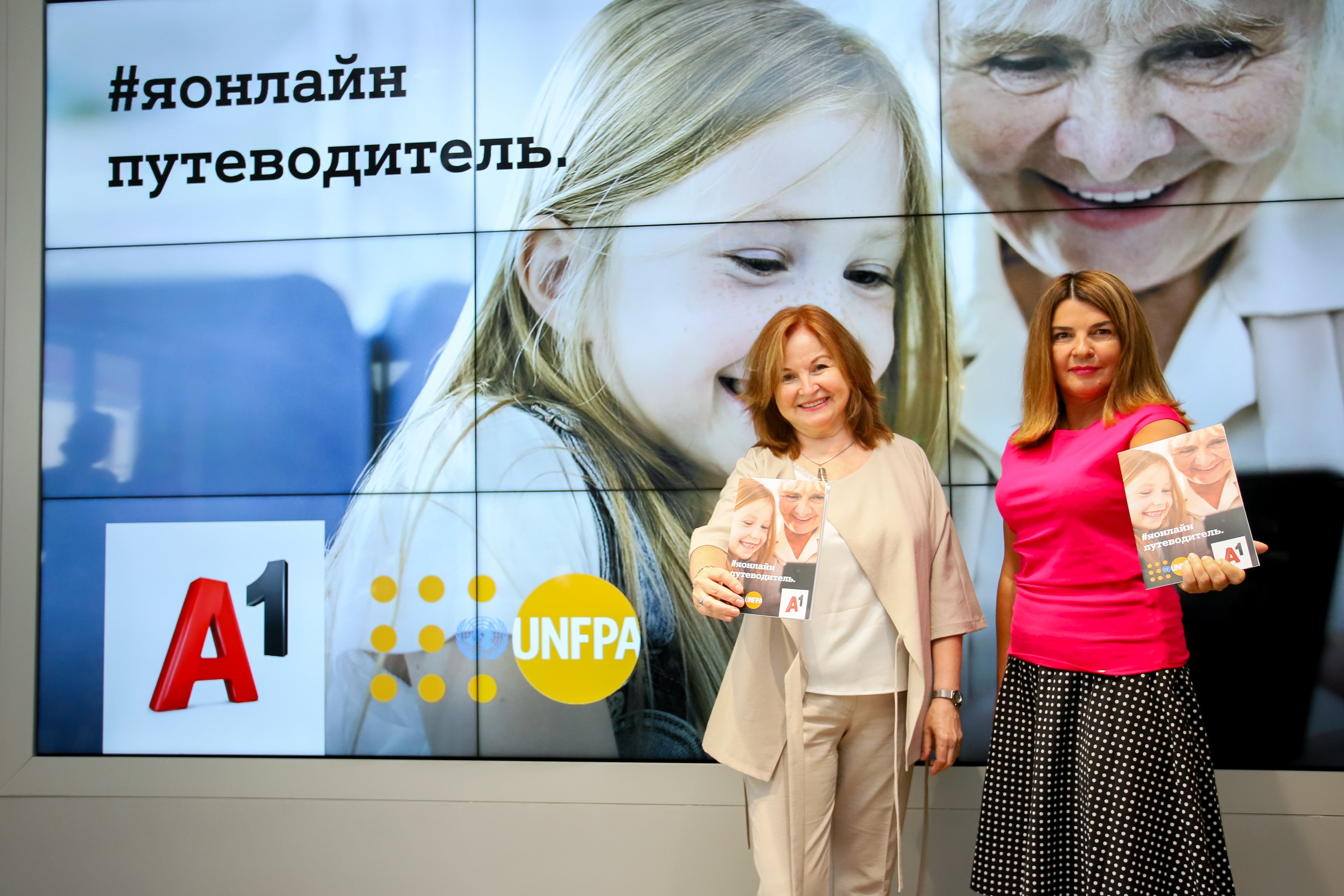
Telecom operator A1 and UNFPA trained social workers and launched a corporate volunteer network (#ionline) to teach smartphone basics to Belarusians aged 60+, rolling out from Minsk and Vitebsk to all six regions in 2021, though no participant-reach figures were published.
National surveys cited by the partners found 60% of Belarusian pensioners had never used a gadget or the internet; the programme began as a UNDP-backed pilot for 80+ seniors in the Homiel (Gomel) region in April 2020.
Telecom operator A1 Belarus and UNFPA formalised a joint digital-literacy programme on 25 June 2021 aimed at training pensioners in mobile-technology basics through a train-the-trainer model with social workers.
The programme produced a 'Smartphone is easy!' guidebook (including a version adapted for people with disabilities) and stood up a corporate volunteer network, #ionline, delivering hybrid classes; training launched in Minsk and Vitebsk on 30 July 2021 and rolled out to Mogilev, Brest, Gomel and Grodno, covering all six regions within 2021, with A1 also offering a subsidised Lenovo Tab M10 tablet.
Per A1's own announcement, the programme achieved national coverage of all six Belarusian regions within 2021, but no source discloses the number of seniors or social workers actually trained, session counts, or funding levels.
No independent evaluation of learning outcomes was found, and no source confirms the programme continued past its 2021 regional rollout; it is documented as a well-sourced telecom-NGO training-of-trainers model, not a proven-impact case.
Own resources / municipal budget Philanthropic / foundation funding
Indicative funding routes for practices of this type — always check each programme's current calls and eligibility rules.
Do you run this practice? Claim it — verified implementers get a public contact pathway and can propose corrections.
Where this practice's information was retrieved from, and when.
Australia
Since 2016, First Nations Media Australia's inDigiMOB has trained Aboriginal and Torres Strait Islander people as peer "Digital Mentors," reaching …
Eswatini
Eswatini's telecom-regulator-run Universal Access Service Fund has distributed thousands of subsidised smartphones and specialised assistive devices, reaching over 14,000 elderly …
Moldova
Moldova's Ministry of Labour and Social Protection, UNFPA and the Moldcell Foundation are rolling out ICT equipment, connectivity and digital-skills …
Côte d'Ivoire
Ivorian firm Cerco built its 'Kone' voice OS, covering 17 national languages plus dozens more, into an 'OpenG' smartphone so …
Open full copilot Grounded in cited practices — always check the sources.