StreetSmart - Case Management Tool for Non-formal Education in Youth Work
Belgium
Street Smart is an innovative digital methodology, designed to help street educators and youth workers better monitor the kids they …
Italy · Florence · Transnational · See the Italy profile
Evidence: Descriptive / self-reported Top 68% 56/100 · Ask Evidence Copilot about this practice
MEET, Media Education for Equity and Tolerance is a project funded by the European Commission’s Erasmus+ Programme (2016-2018). The aim of the MEET project was to contribute to the creation of a European community of stakeholders and actors of intercultural media education made u
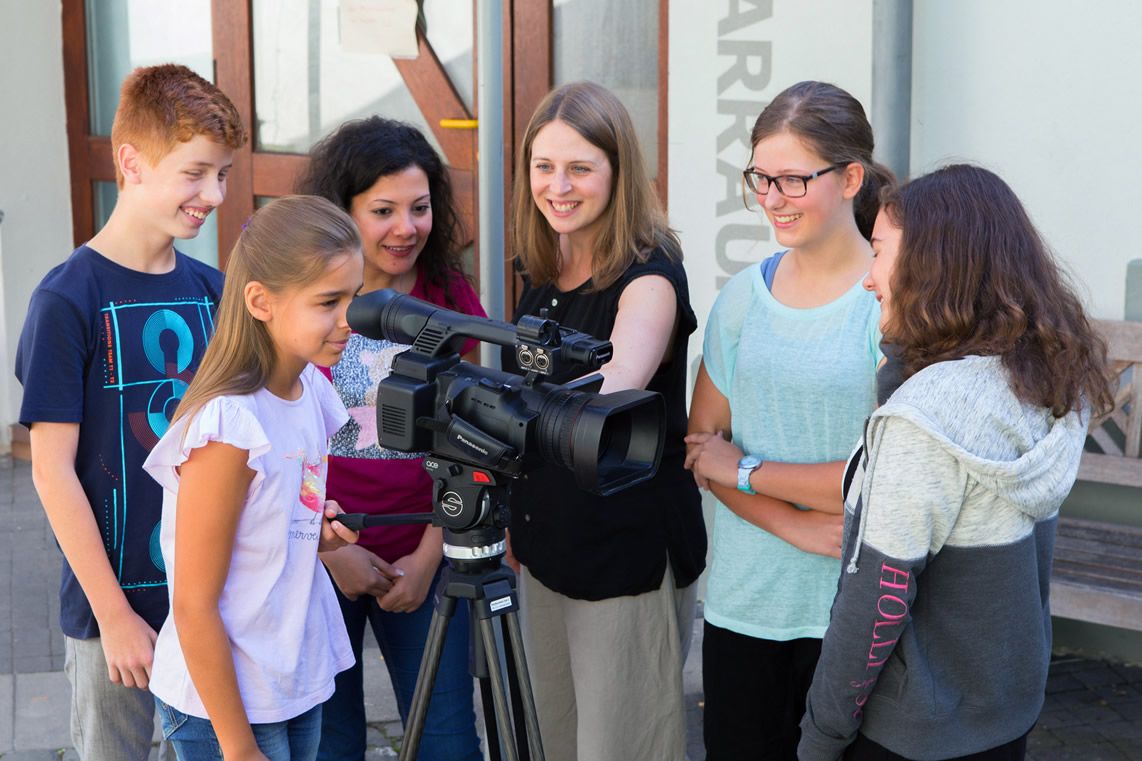
ITI1Rising discrimination, racism and intolerance in Europe — fuelled by economic crisis and amplified online — disproportionately targets low socio-economic-status youth and vulnerable groups such as migrants and refugees. MEET, funded by Erasmus+ (2016–2018) and led by Università degli Studi di Firenze, used media education as a strategy to counter this.
Build a European community of intercultural media-education practitioners (cultural mediators, researchers, teachers, students) and co-design media-education practices grounded in equity, tolerance, social justice and solidarity, mainly for disadvantaged youth aged 13–19 including migrants and refugees.
Teachers and students in 5 countries took part in an action-research process to co-design inter-cultural media-education practices. The project produced a piloted methodology and toolkit (with implementation guidelines), an educational documentary, policy recommendations and scientific papers, and involved associated partners in Italy (City of Prato), Austria (Vienna Ombud for children and youth), Belgium (Action Ciné Medias Jeunes), Germany (klicksafe) and Slovenia (National Education Institute).
An evaluation report was produced as part of the Erasmus+ project deliverables (available via the EU Erasmus+ portal), but its methodology and findings are not detailed in this practice record, so this is treated conservatively as a descriptive account.
National / regional programmes Erasmus+
Indicative funding routes for practices of this type — always check each programme's current calls and eligibility rules.
Do you run this practice? Claim it — verified implementers get a public contact pathway and can propose corrections.
Where this practice's information was retrieved from, and when.
Belgium
Street Smart is an innovative digital methodology, designed to help street educators and youth workers better monitor the kids they …
United Kingdom
The eSKILLS4ALL project initiates a holistic approach to promote digital literacy, while fighting skills mismatches and unemployment of low-skilled unemployed …
Spain
The project is based in a participative and intergenerational approach. The digiUP will also benefit adult educators and institutions providing …
United Kingdom
The project “Media Literacy for refugee, asylum seeking and migrant women”, aimed to contribute to the integration of refugee, asylum …
Open full copilot Grounded in cited practices — always check the sources.