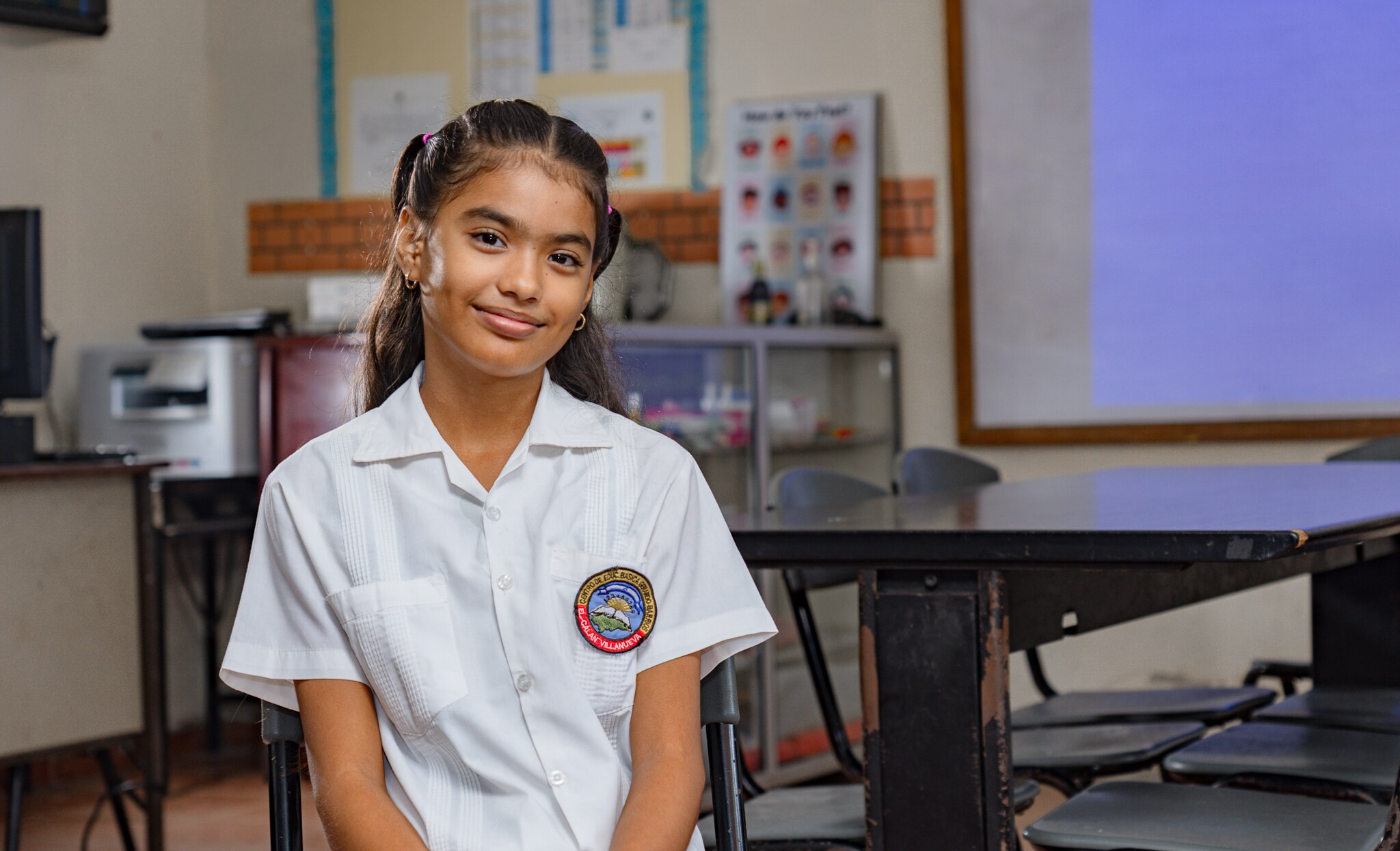
Project Sinxay, run by Laos' Youth Union with UNICEF and chipmaker Arm's 'AI in Play' fund, has trained over 1,000 Lao youth in four-day AI-literacy bootcamps with a built-in 50% girls quota, plus AI captioning and image-recognition tools for participants with hearing or visual i
1,000+
Youth trained (Dec 2024-2025)
50%
Girls participation target
4
Provinces reached
200,000 youth
Multi-country programme target reach (Arm-UNICEF AI in Play)
Details
Maturity
Scaling
Promoter
Lao Youth Union with UNICEF Laos (AI in Play, funded by Arm)
Period
Dec 2024 – present
Keywords
youth development, digital literacy, government-NGO partnership
Context
Project Sinxay: UPSHIFT is a Lao Youth Union programme delivered with UNICEF Laos under 'AI in Play,' UNICEF's responsible-AI initiative for children, co-designed with and funded by chip company Arm as founding partner.
Objectives
The programme aims to build AI literacy alongside innovation, entrepreneurship, leadership and advocacy skills in Lao youth, with an explicit target that at least half of participants are girls, and to make accessibility for youth with hearing or visual impairments a core design feature rather than an afterthought.
Activities
Four-day bootcamps began in Luang Prabang province in December 2024 and have since run in Vientiane, Savannakhet and Xiengkhouang. Graduates, called 'Sinxay Innovators,' can receive seed funding and mentorship to build community projects on issues such as waste reduction, clean water, school inclusion and mental health. Youth with hearing impairments use AI-powered auto-captioning and speech-to-text as real-time classroom aids, and youth with visual impairments use AI-based image-recognition tools.
Results
Over 1,000 young people were trained within less than a year across four provinces, and the programme met its target that at least half of participants be girls.
Conclusions
No independent, third-party evaluation of AI-literacy gains or downstream outcomes has been published; the available figures come from UNICEF's and Arm's own programme reporting, and a second phase -- with added focus on climate resilience and measurable community results -- is only now getting under way.
Implementation
Indicative cost
Medium (€50k–€500k)
Time to results
Medium (1–3 years)
Staffing & skills
Lao Youth Union (delivery), UNICEF Laos (AI in Play framework), Arm (founding funding partner)
Conditions for success
Explicit 50% girls quota built into design and reporting, not left to chance
Accessibility features (AI captioning/speech-to-text, image recognition) built in for participants with hearing or visual impairments
Seed funding and mentorship for graduate-led community projects sustains engagement after the bootcamp
Commonly funded by
Philanthropic / foundation funding
Indicative funding routes for practices of this type — always check each programme's current calls and eligibility rules.
Do you run this practice?
Claim it —
verified implementers get a public contact pathway and can propose corrections.
Data sources
Where this practice's information was retrieved from, and when.