Bengaluru-based Thinkerbell Labs built Annie, an audio-guided, self-correcting braille teaching device that lets blind and low-vision students learn independently. Deployed in over …
Bengaluru, India
Good practice
Evidence: Descriptive / self-reported
Top 10%96/100
Since 2013, SAP's Autism at Work programme has hired 215+ autistic employees across 16 countries into tech roles, self-reporting ~90% retention; figures …
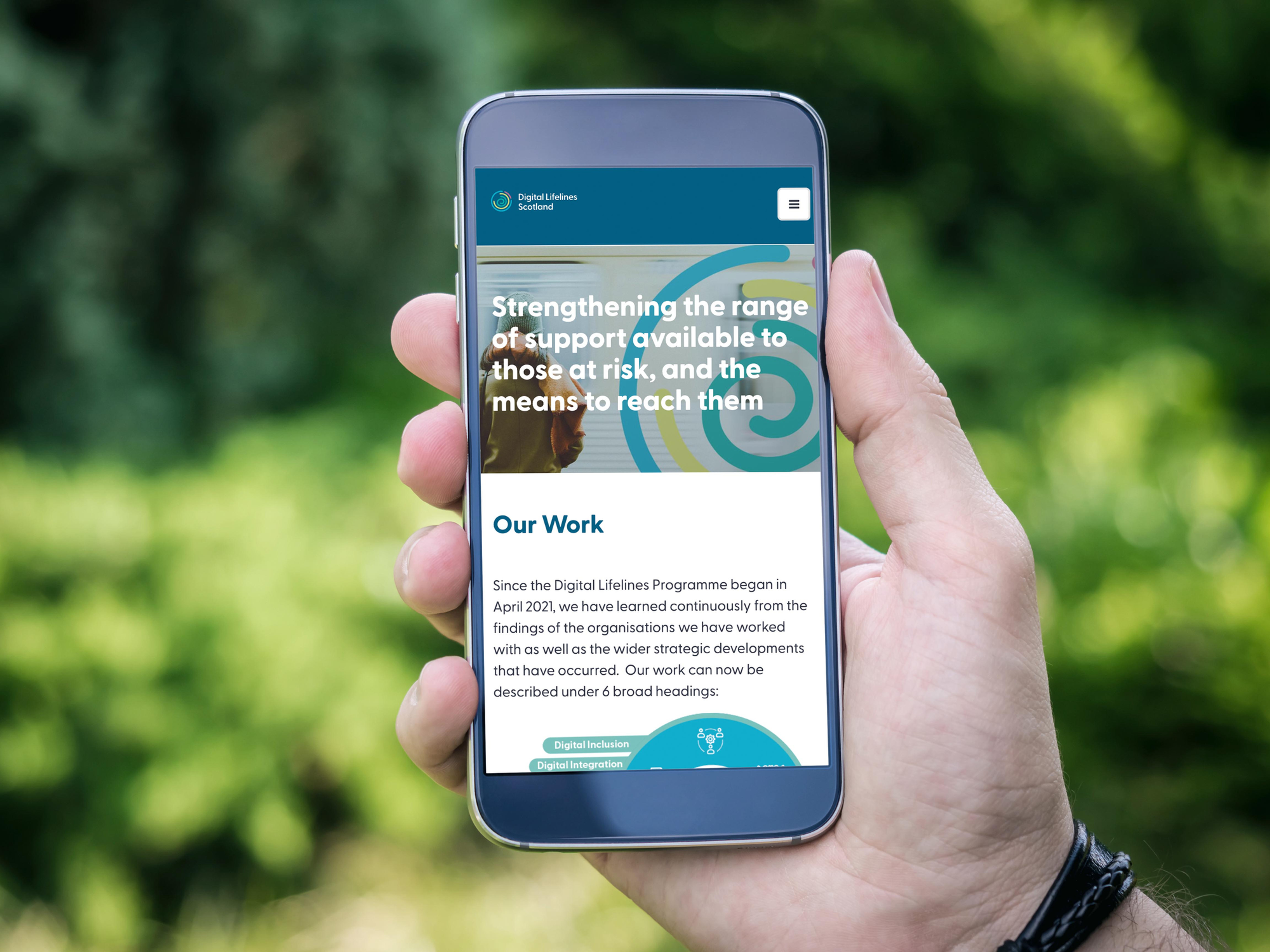
Launched in 2021 with £1.5m of Scottish Government funding, Digital Lifelines Scotland has distributed 3,044 devices and 3,845 connectivity packages to 5,502 …
Glasgow, United Kingdom
Good practice
Evidence: Quasi-experimental
Top 10%96/100
Since 2014, War Child Holland, UNICEF and Ahfad University have run tablet-based learning games for out-of-school children in three Sudanese states. A …
Kosti, Sudan
Good practice
Evidence: Observational / pre–post
Top 10%96/100
Launched in 2010, Vodafone Fiji's M-PAiSA mobile wallet became the country's leading digital-payment channel, reaching 632,123 users (two-thirds of Fijians) by 2022. …
Suva, Fiji
Good practice
Evidence: Descriptive / self-reported
Top 10%96/100
A community-owned GSM/4G cellular network built and operated by Indigenous, Afro-Colombian and campesino communities in Buenos Aires, Cauca, after they won a …
Buenos Aires (Cauca), Colombia
Good practice
Evidence: Descriptive / self-reported
Top 10%96/100
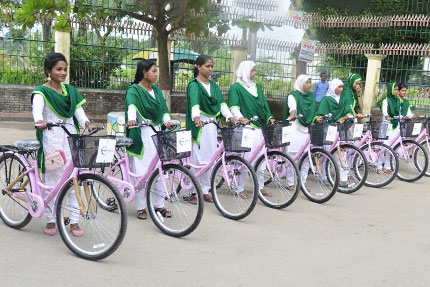
D.Net's Infolady model trains rural Bangladeshi women as bicycle-riding info-entrepreneurs delivering health, agriculture and e-government services door-to-door; it reached roughly 300 villages …
In a country with almost no formal banking sector, Hormuud Telecom's EVC Plus mobile-money service reached roughly three-quarters of Somali adults and …
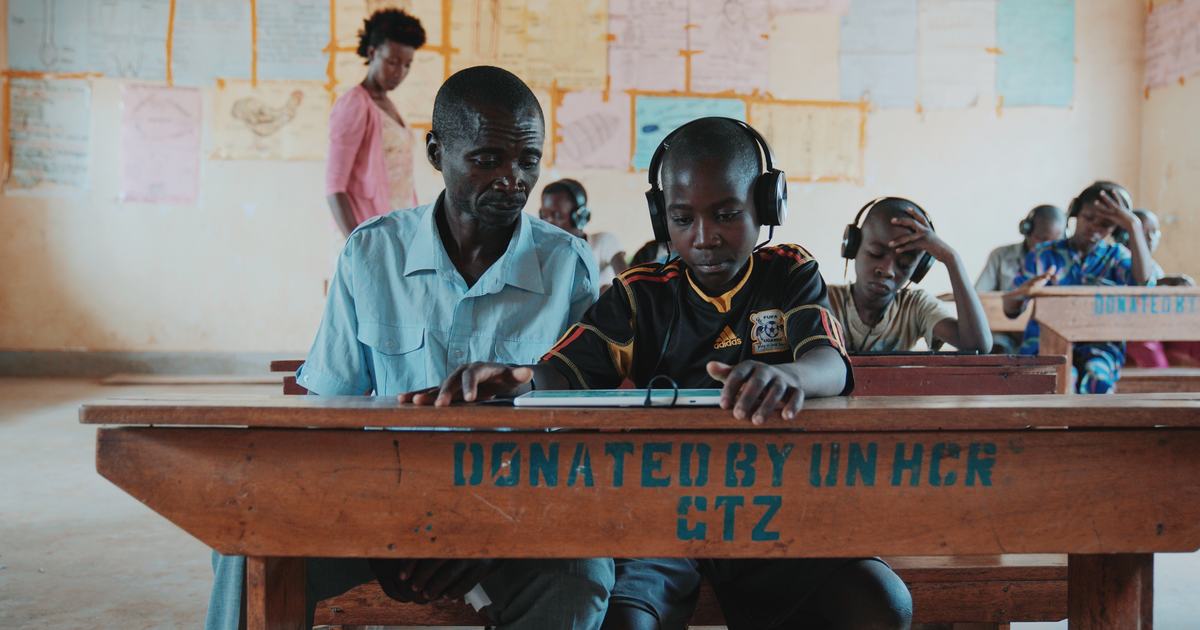
Solar-powered 'Instant Classroom' kits with tablets and localised e-learning content run in 28 Instant Network Schools centres across DR Congo, incl. the …
Lusenda (Fizi Territory, South Kivu), Congo (the Democratic Republic of the)
Good practice
Evidence: Descriptive / self-reported
Top 10%96/100
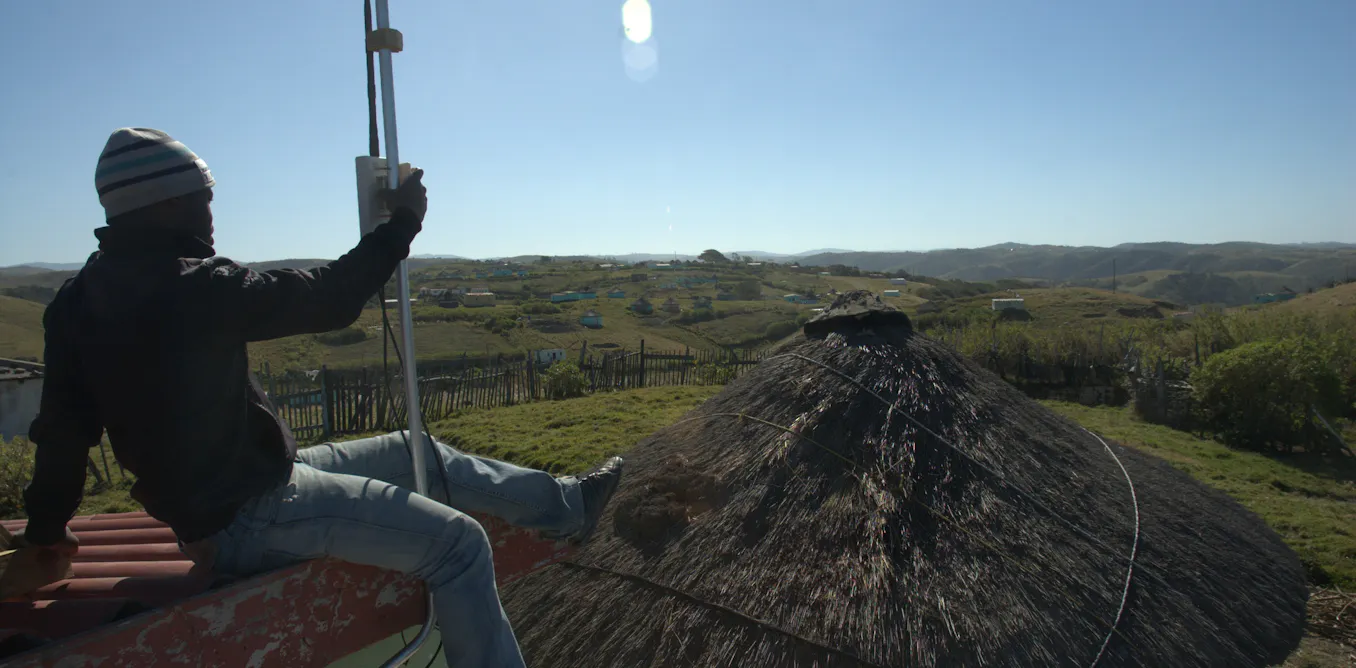
South Africa's first rural cooperative-owned ISP, Zenzeleni built a solar WiFi mesh network in Mankosi, Eastern Cape, selling access far below incumbent …
Mankosi, South Africa
Good practice
Evidence: Randomised controlled trial
Top 10%96/100
Since 2008, Digital Green has trained community mediators to produce and screen localised farming videos, reaching 2.3 million+ farmers across 10 countries …
Bengaluru, India
Good practice
Evidence: Descriptive / self-reported
Top 10%96/100
Nairobi's Signs Media Kenya broadcasts free Kenyan Sign Language content via Signs TV and, through its assistALL app, brought paid sign-language interpretation …
Since 1994, Keewaytinook Okimakanak's K-Net has built First Nations-owned broadband and telehealth infrastructure in remote northwestern Ontario, growing from 6 founding communities …
Sioux Lookout, Canada
Good practice
Evidence: Descriptive / self-reported
Top 10%96/100
Since 2010, The Last Mile has taught incarcerated Californians offline software engineering despite no prison internet. Now in 16 facilities across 7 …
San Quentin, United States of America
Good practice
Evidence: Observational / pre–post
Top 10%96/100
Ukraine's Digital Transformation Ministry, UNDP and the Library Association turned public libraries into free 'Digital Education Hubs'. The network grew from 3,000+ …
Kyiv, Ukraine
Good practice
Evidence: Descriptive / self-reported
Top 10%96/100
OLE Nepal deploys offline digital libraries (E-Pustakalaya) and interactive learning software (E-Paath) on local servers in remote Nepali schools without internet access, …
Kathmandu, Nepal
Good practice
Evidence: Observational / pre–post
Top 10%96/100
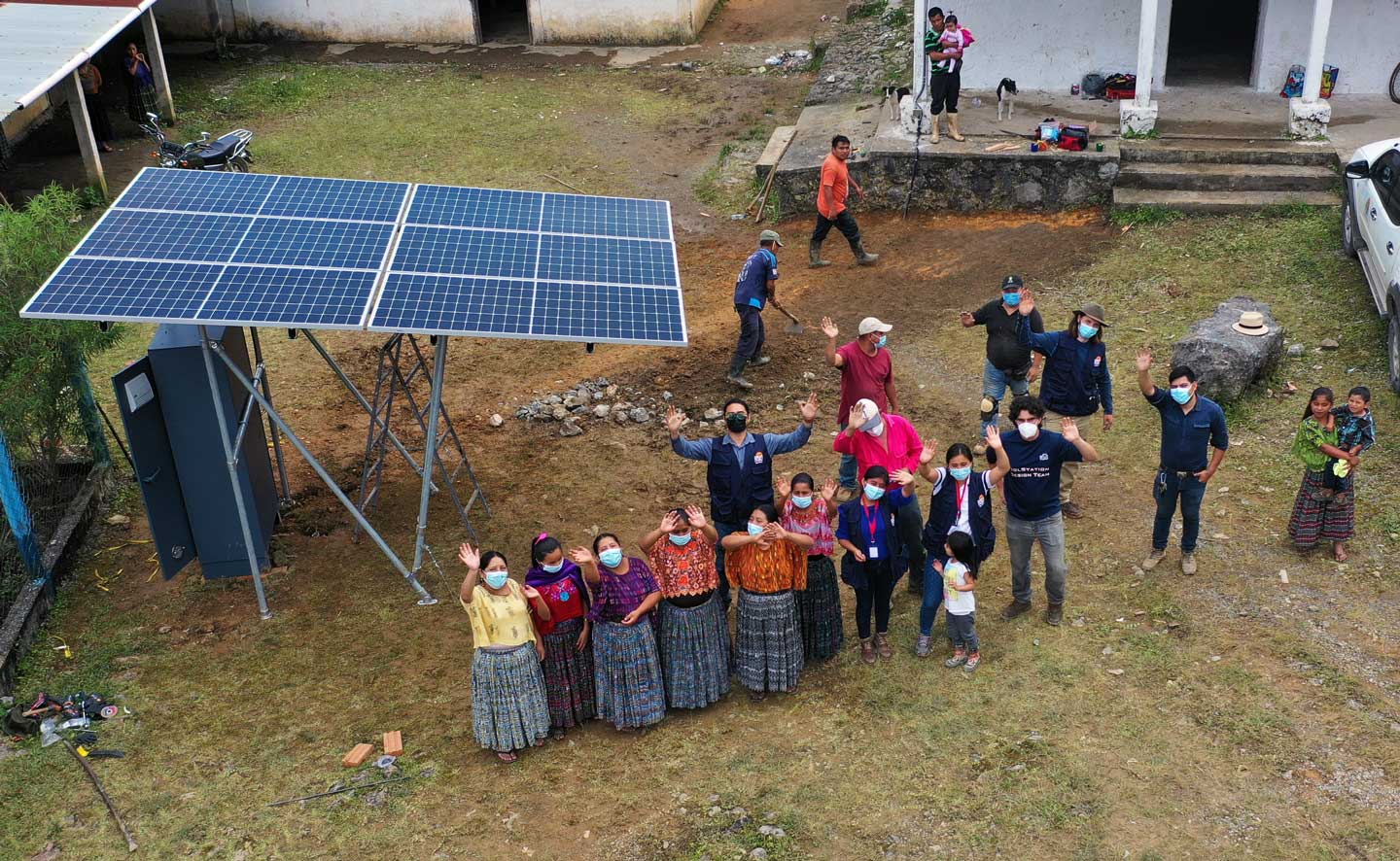
Solar-powered digital centres in indigenous Guatemalan villages deliver digital literacy and leadership training to Mayan women and youth; a 2025 Frontiers study …
Huehuetenango, Guatemala
Good practice
Evidence: Descriptive / self-reported
Top 10%96/100