Elements of AI — Finland's Free, EU-Adopted AI Literacy Course for the General Public
Finland
A free 30-hour course by the University of Helsinki and MinnaLearn has taught AI basics to over a million learners …
Montenegro · Podgorica · See the Montenegro profile · See the Podgorica profile
Evidence: Descriptive / self-reported Top 40% 53/100 · Ask Evidence Copilot about this practice
UNICEF and Montenegro's Bureau for Education piloted an AI/digital literacy programme using micro:bit devices, reaching 1,266 students in 23 schools (63 classes) in 2025/2026; 83% made something new, 90% enjoyed the lessons.
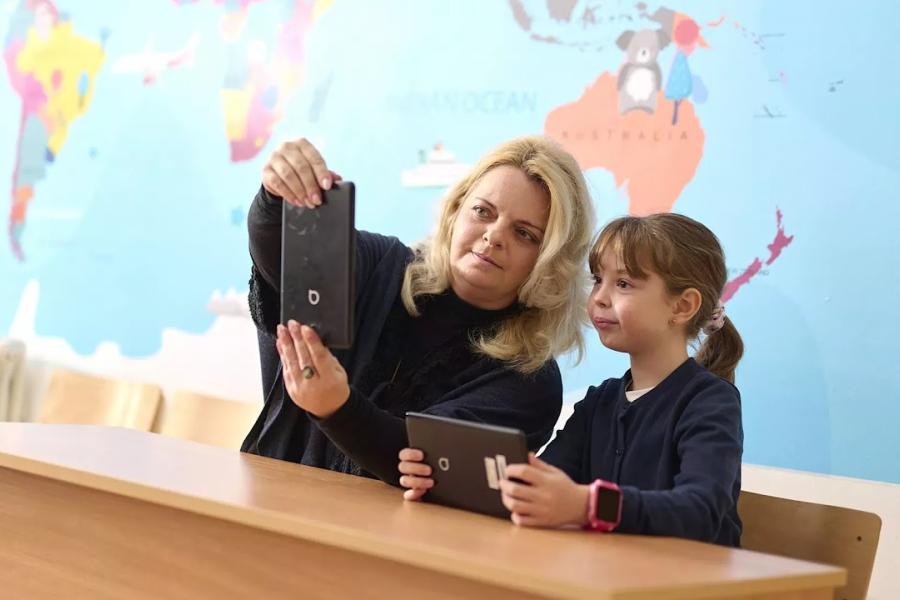

Montenegro's Bureau for Education piloted an AI and digital literacy curriculum from December 2025 to June 2026, part of a UNICEF-supported initiative with the Micro:bit Educational Foundation launched in 2024 across Montenegro, Honduras, Maldives and Viet Nam, with expansion planned to Lao PDR, Ukraine and Uzbekistan.
1,266 students across 23 schools and 63 classes took part. Regional presentations were held in Berane, Podgorica, Petrovac and Nikšić, where students explained their micro:bit projects.
Accompanying research found that 83% of students had created something interesting using the devices and 90% said they enjoyed the lessons.
The AI-literacy pilot sits within a broader UNICEF-Ministry of Education digital transformation effort in Montenegro (EdTech Hubs, ICT-coordinator and teacher training), though the AI-specific pilot itself remains a single school-year trial without independent third-party evaluation of learning outcomes, and the reported figures rely on self-reported student surveys rather than assessed skill gains.
Philanthropic / foundation funding National / regional programmes
Indicative funding routes for practices of this type — always check each programme's current calls and eligibility rules.
Do you run this practice? Claim it — verified implementers get a public contact pathway and can propose corrections.
Where this practice's information was retrieved from, and when.
Finland
A free 30-hour course by the University of Helsinki and MinnaLearn has taught AI basics to over a million learners …
Peru
MentorIA Perú, run by Empresarios por la Educación and Fundación Kodea with Google.org funding and MINEDU support, trained 1,300+ teachers …
Slovakia
Slovakia's annual IT Fitness Test, run since 2010, now embeds AI-literacy questions and issued personal digital-skills certificates to over 66,000 …
Egypt
Egypt's ITI runs Mahara-Tech, a free Arabic AI and digital-skills platform with an AI career-advisor chatbot and mentored AI Academy …
Open full copilot Grounded in cited practices — always check the sources.