Dirección de Transferencia de Tecnología (DTT) — Tecnológico de Monterrey
Mexico
Mexico's Tec de Monterrey technology-transfer office, upgraded from office to full directorate in 2022, has generated 28 spin-offs and transferred …
Chile · Santiago · See the Chile profile · See the Santiago profile
Evidence: Observational / pre–post Top 50% 67/100 · Ask Evidence Copilot about this practice
Chile's top patent-filing institution for 7 straight years (INAPI), UC Chile's transfer office has produced 24+ spin-offs worth US$55M combined and holds 476 active patents, per the university and independent Chilean press — though most figures are self-reported and date to 2018.
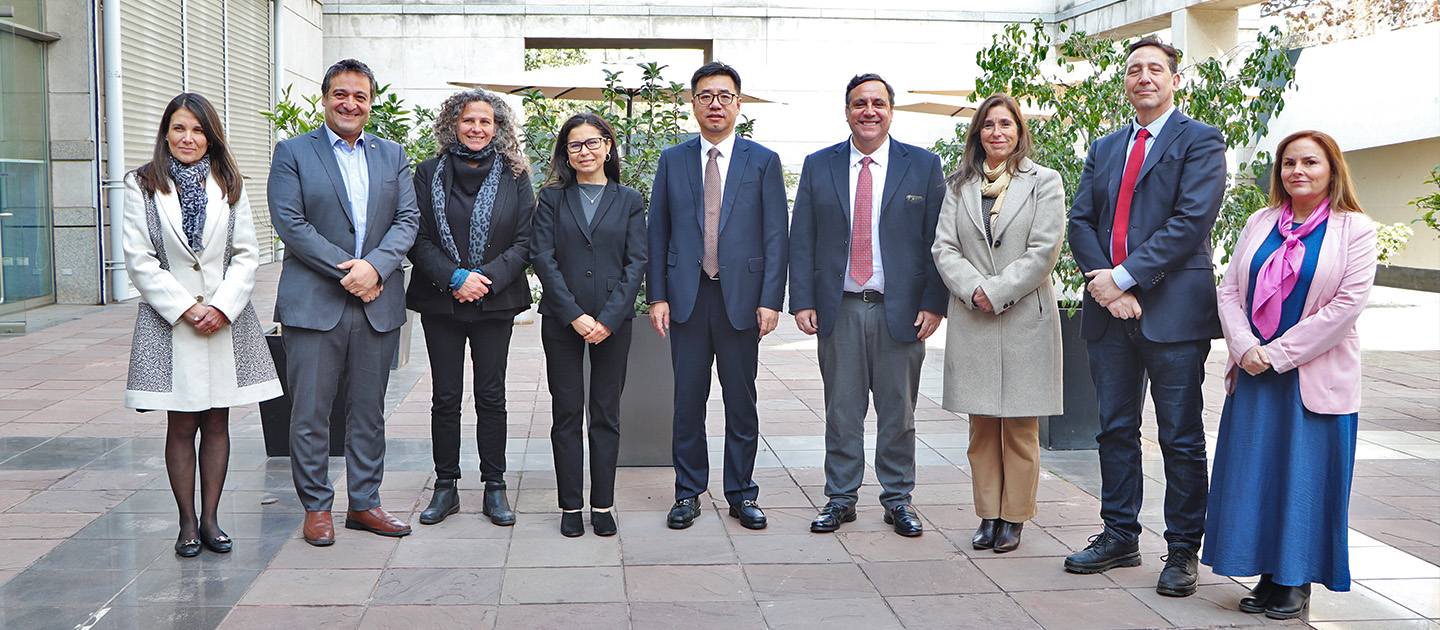
The Dirección de Transferencia y Desarrollo (DTD) is the technology-transfer office of the Pontificia Universidad Católica de Chile (UC Chile) in Santiago, established around 2013 to identify, protect and commercialize university research through patents, licensing and spin-off creation.
The office aims to convert university research into patents, licenses and spin-off companies, sustaining Chile's leading position in academic patent filing and channeling government R&D funding into applied projects with industry.
DTD has filed 1,005 cumulative patent applications, of which 243 had been granted as of December 2021, and maintains 476 active patents; it backed 71 R&D projects in 2018 with US$6.7 million in funding (95% from government sources) and supports commercialization deals such as a functional food ingredient licensed to Alimentos Valle Central and a mining-waste-conversion process supported by BHP and Melón.
Per Chile's national IP office (INAPI), UC Chile held the #1 patent-filing ranking among Chilean institutions for seven consecutive years; the office had produced 24+ science-and-technology spin-off companies (2018 figures) with a combined valuation of US$55.2 million and US$23.1 million in annual sales, including GeneproDX, a molecular thyroid-cancer diagnostics company.
The DTD demonstrates a sustained, university-anchored technology-transfer model, though the spin-off valuation and sales figures have not been refreshed in public reporting since 2018 and no independent economic-impact audit has been conducted.
National / regional programmes
Indicative funding routes for practices of this type — always check each programme's current calls and eligibility rules.
Do you run this practice? Claim it — verified implementers get a public contact pathway and can propose corrections.
Where this practice's information was retrieved from, and when.
Mexico
Mexico's Tec de Monterrey technology-transfer office, upgraded from office to full directorate in 2022, has generated 28 spin-offs and transferred …
Belgium
KU Leuven's LRD office has backed 199 university spin-offs since the 1980s, employing 7,700+ people; ranked Europe's most innovative university …
South Africa
Since 2000, UCT's Research Contracts & Innovation office has built 40 spin-off companies worth over R250 million in university equity, …
India
Established in 1992, FITT has built IIT Delhi's industry interface into 1,618+ IPR filings and 185+ technology transfers, with 2019 …
Open full copilot Grounded in cited practices — always check the sources.