Banco Pichincha had two blind customers, Mauricio Suárez and Lenin Carrera, help redesign its app's screen-reader navigation, launched in Quito in July …
Quito, Ecuador
Good practice
Evidence: Descriptive / self-reported
Top 24%92/100
Azerbaijan's Disability Subsystem automatically assesses and pays disability benefits with no application needed, using anonymised case review and SMS-delivered e-signed decisions. Since …
Baku, Azerbaijan
Good practice
Evidence: Observational / pre–post
Top 24%92/100
Bhutan's Ministry of Education, UNICEF and the EU connected 10 pilot schools to campus-wide internet, reaching 6,000+ students and 400 teachers, while …
Thimphu, Bhutan
Good practice
Evidence: Descriptive / self-reported
Top 24%92/100
Microsoft's free Immersive Reader applies specific, peer-reviewed reading-science findings — on font spacing, syllable breaks, line length and text-to-speech — to help …
Redmond, United States of America
Good practice
Evidence: Descriptive / self-reported
Top 24%92/100
A Sydney nonprofit's PwC-modelled research finds products designed for 'edge users' — people with disability, low literacy or age-related impairment — can …
Sydney, Australia
Good practice
Evidence: Observational / pre–post
Top 24%92/100
Moldova's World Bank-backed MGSP digitised 87 public services and built 100+ Unified Service Delivery Centres, lifting vulnerable-population e-service use from 6% to …
Chisinau, Moldova
Good practice
Evidence: Descriptive / self-reported
Top 24%92/100
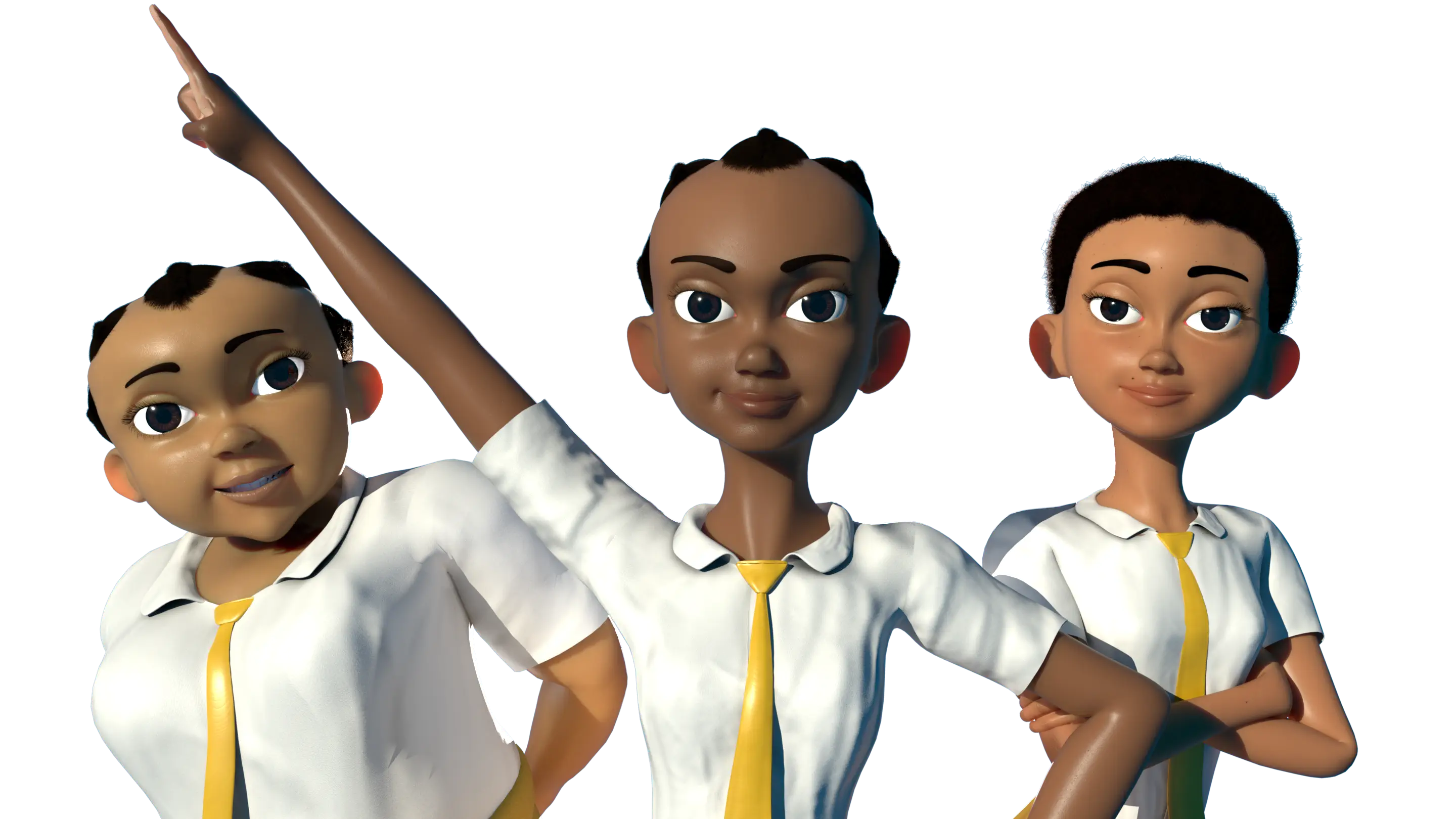
Tanzanian NGO Tai blends animation, comics, radio drama and co-created audio stories to reach out-of-school and disabled youth, reporting 100,000+ direct learners …
Dar es Salaam, Tanzania
Good practice
Evidence: Descriptive / self-reported
Top 24%92/100
UNICEF, Paraguay's Ministry of Education and Paraguay Educa adapted school textbooks into accessible digital formats — audio narration, sign-language video, simplified language …
Fujitsu's Raku-Raku ('easy-easy') handset line, sold via NTT DOCOMO in Japan since 2001, is redesigned each generation from long-term user research with …
Malaysia's government digital-economy agency MDEC ran eRezeki (2015–2020) and its successor GLOW to give low-income (B40) households digital/gig-economy income access and training; …
Kuala Lumpur, Malaysia
Good practice
Evidence: Observational / pre–post
Top 24%92/100
Radboudumc co-designed a simplified, text-to-speech health survey with co-researchers who have mild intellectual disabilities or low literacy. Three rounds reached 412, 351 …
Nijmegen, Netherlands
Good practice
Evidence: Descriptive / self-reported
Top 24%92/100
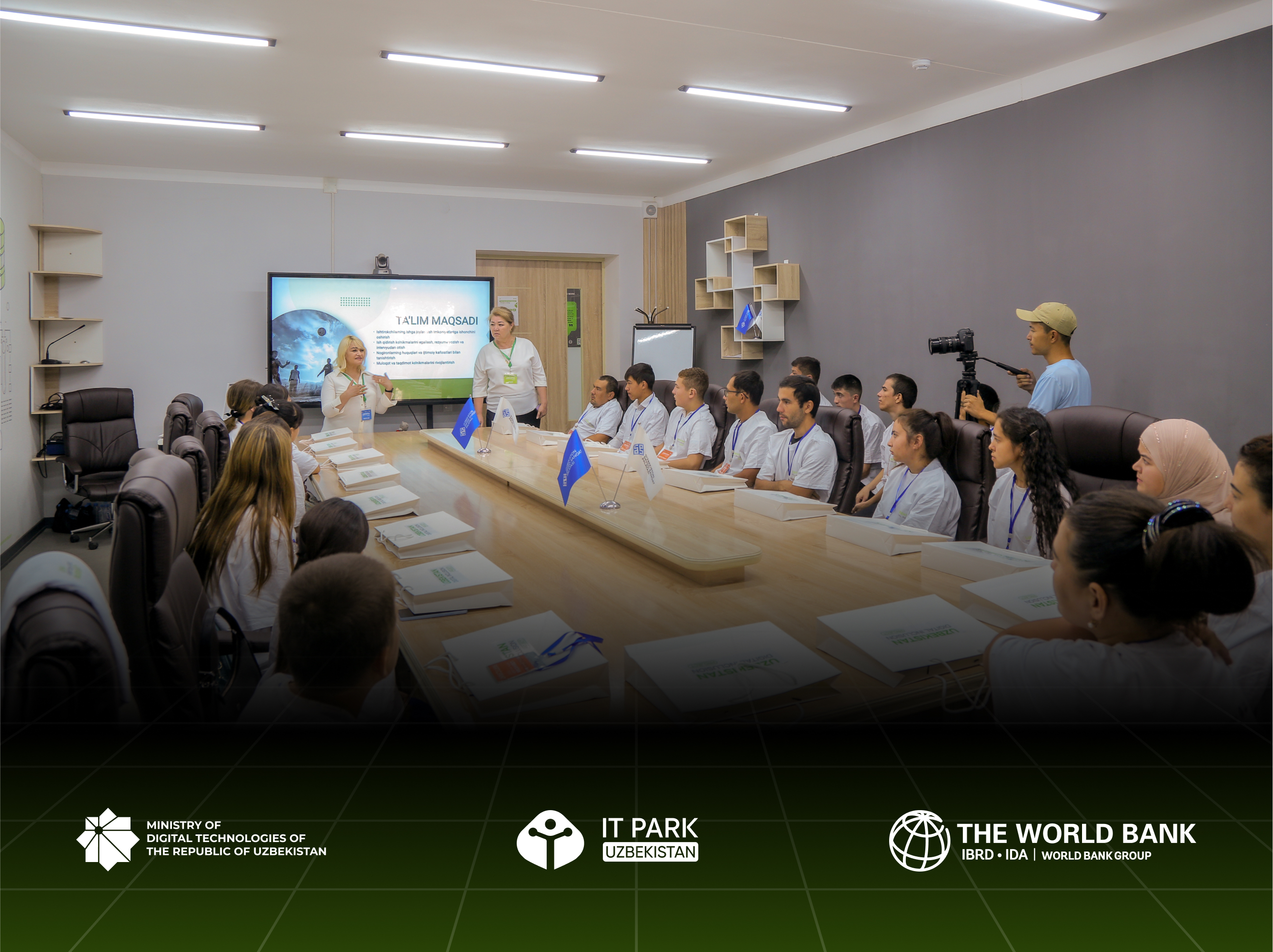
Uganda's telecom regulator (UCC), partnered with DPOs NUDIPU and NUWODU, delivered accessible digital-skills training to 1,010 people with disabilities across 28 districts …
Kampala, Uganda
Good practice
Evidence: Observational / pre–post
Top 24%92/100
Cairo social enterprise Helm runs an accessible (Arabic/English, Easy Read/Braille/audio) vocational e-learning platform staffed nearly half by employees with disabilities, training ~8,000 …
India's SugamyaWeb lets government departments self-test websites against GIGW accessibility standards; 200+ departments used it to fix 100,000+ issues, even as reporting …
New Delhi, India
Good practice
Evidence: Observational / pre–post
Top 24%92/100
Israeli NGO Access Israel, founded 1999, sends trained teams of testers with disabilities as covert 'mystery shoppers' to audit businesses' physical and …
Tel Aviv, Israel
Good practice
Evidence: Descriptive / self-reported
Top 24%92/100
GovTech Singapore turned five years of an internal accessibility-awareness week into a public self-assessment tool combining a technical checklist, lived PwD stories …
Singapore, Singapore
Good practice
Evidence: Observational / pre–post
Top 24%92/100