KEFRI and CIFOR-ICRAF trained Baringo County communities to convert invasive Prosopis juliflora into charcoal and fodder using improved kilns (~30% conversion efficiency); …
Cyprus's 2014-2020 Rural Development Programme put 36,742 hectares under agri-environment-climate contracts and paid farmers across its 63-site, 1,789km2 Natura 2000 network, backed …
Nicosia, Cyprus
Good practice
Evidence: Observational / pre–post
Top 96%20/100
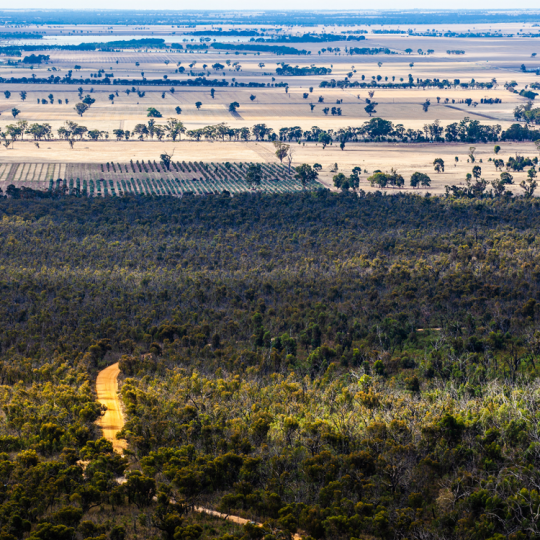
Victoria's BushBroker native-vegetation offset scheme (386 sites, 19,000+ ha, since 2006) was independently audited and peer-reviewed in 2024: both found little evidence …
Melbourne, Australia
Good practice
Evidence: Descriptive / self-reported
Top 99%13/100
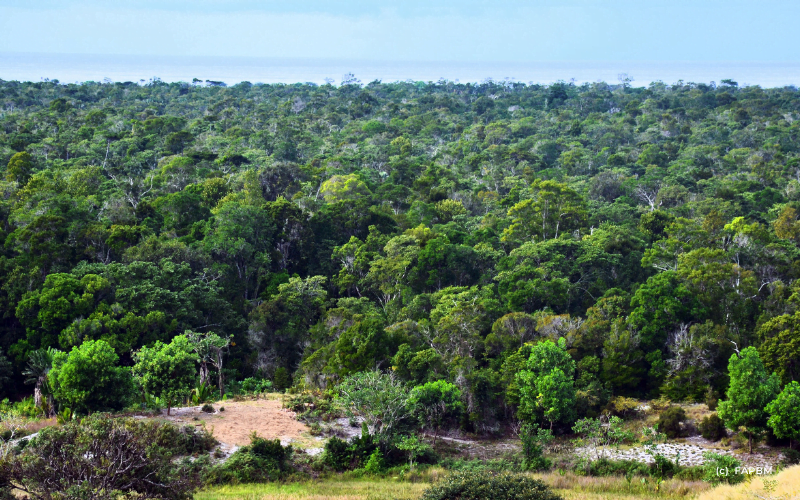
De Beers reports managing 377,000–500,000 acres of Southern African conservation land and translocating 10 white rhinos, but its own 2030 'externally validated' …
Maun, Botswana
Good practice
Evidence: Descriptive / self-reported
Top 99%13/100
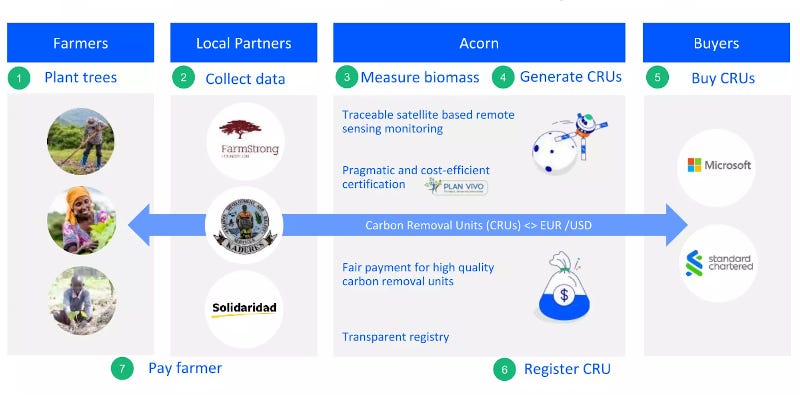
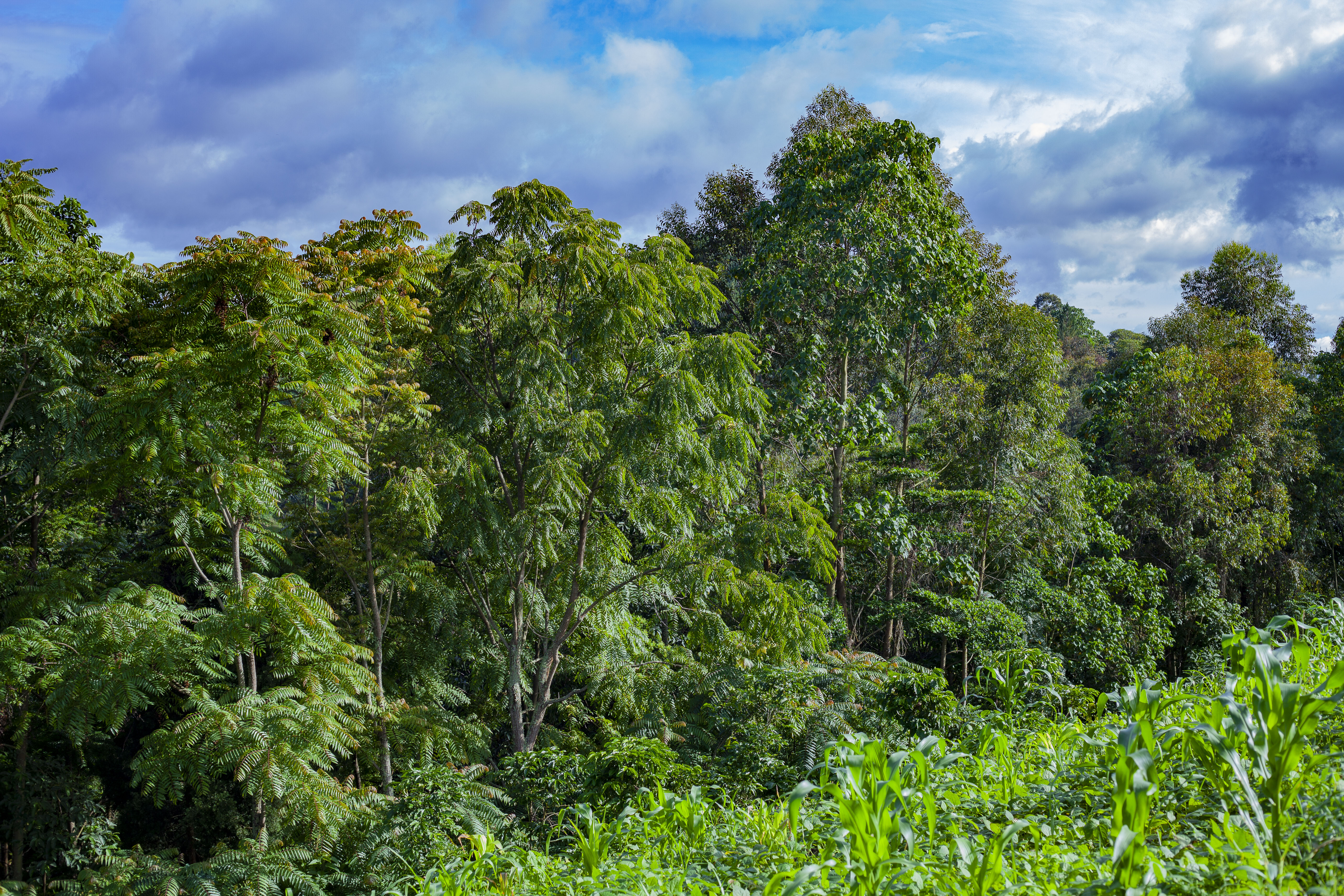
Plan Vivo-certified agroforestry project run by Graine de Vie with Bankim, Banyo and Mayo-Darlé communes in Cameroon's Adamawa Region pays smallholders to …
Bankim, Cameroon
Good practice
Evidence: Descriptive / self-reported
Top 100%7/100