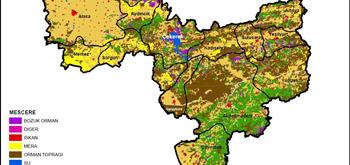
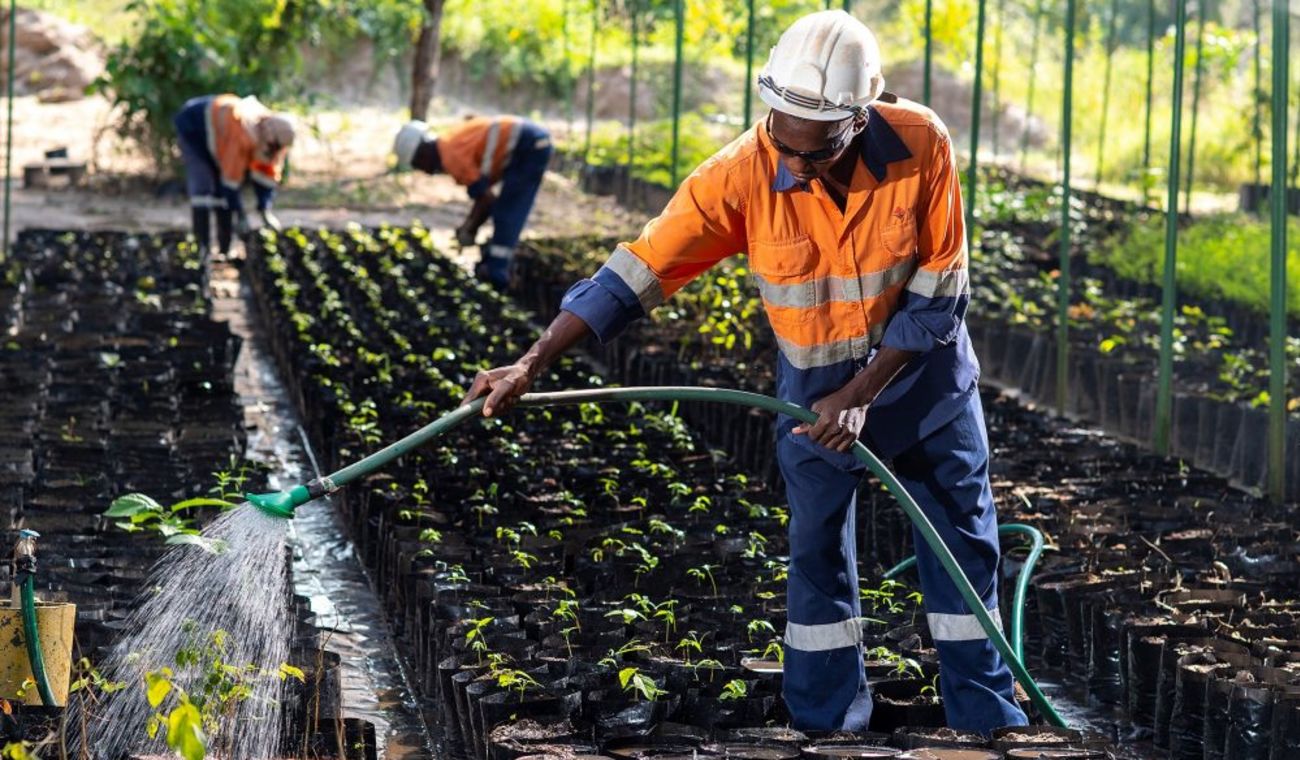
Turkey's forestry ministry, with World Bank/GEF financing, has supported watershed communities since 2004 with saplings, irrigation tech and solar heaters; the first …
Bulgaria's CAP Strategic Plan pays farmers €1.03bn in eco-schemes and €558M for climate/environment rural-development measures (2023-2027), but monitoring finds Natura 2000 grassland …
Sofia, Bulgaria
Good practice
Evidence: Observational / pre–post
Top 76%33/100
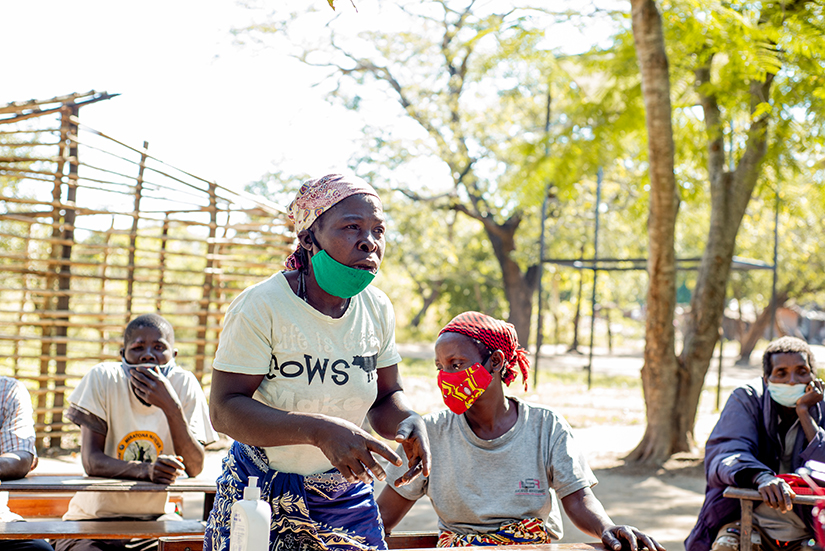
One of Plan Vivo's founding projects paid ~1,000 Mozambican smallholders near Gorongosa National Park $242.60/ha over 7 years for agroforestry carbon, but …
Gorongosa, Mozambique
Good practice
Evidence: Quasi-experimental
Top 76%33/100
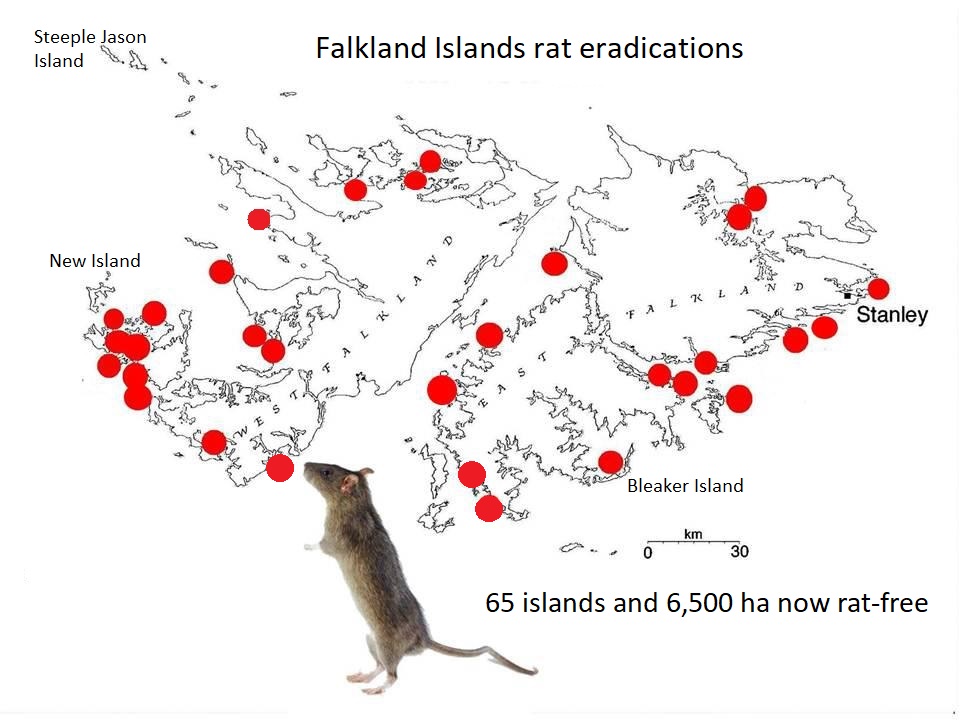
Since 2001, Falklands Conservation and partners have cleared invasive Norway rats from 65 islands (~6,500 ha) for under £250,000; a peer-reviewed study …
With UNEP-GEF and EU-China funding, Ruoergai's wetland reserve administration dammed drainage canals to rewet part of the Tibetan Plateau's largest alpine peatland, …
Colombia's Resolution 1517/2012 created a mandatory, ratio-based (up to 9:1) biodiversity offset system for mining and infrastructure licensing. Case studies quantify offset …
Bogotá, Colombia
Good practice
Evidence: Observational / pre–post
Top 76%33/100
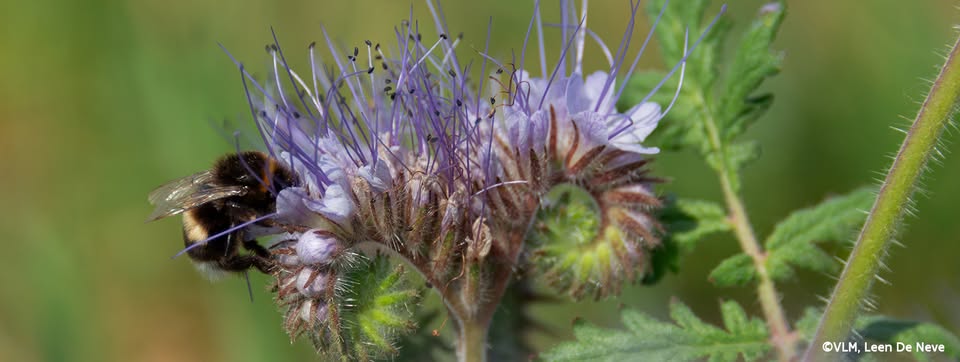
Flemish agri-environment PES: 2,529 farmers received €11.1M in 2025 for managing 5,948 ha of agricultural land for biodiversity — botanical grasslands, flower …
Hungary pays ~€115/ha/yr (Decree 269/2007, updated under CAP 2023–27) for Natura 2000 grassland maintenance. 250,000 ha enrolled; 7,500+ farmers paid; €19M disbursed …
Budapest, Hungary
Good practice
Evidence: Observational / pre–post
Top 89%27/100
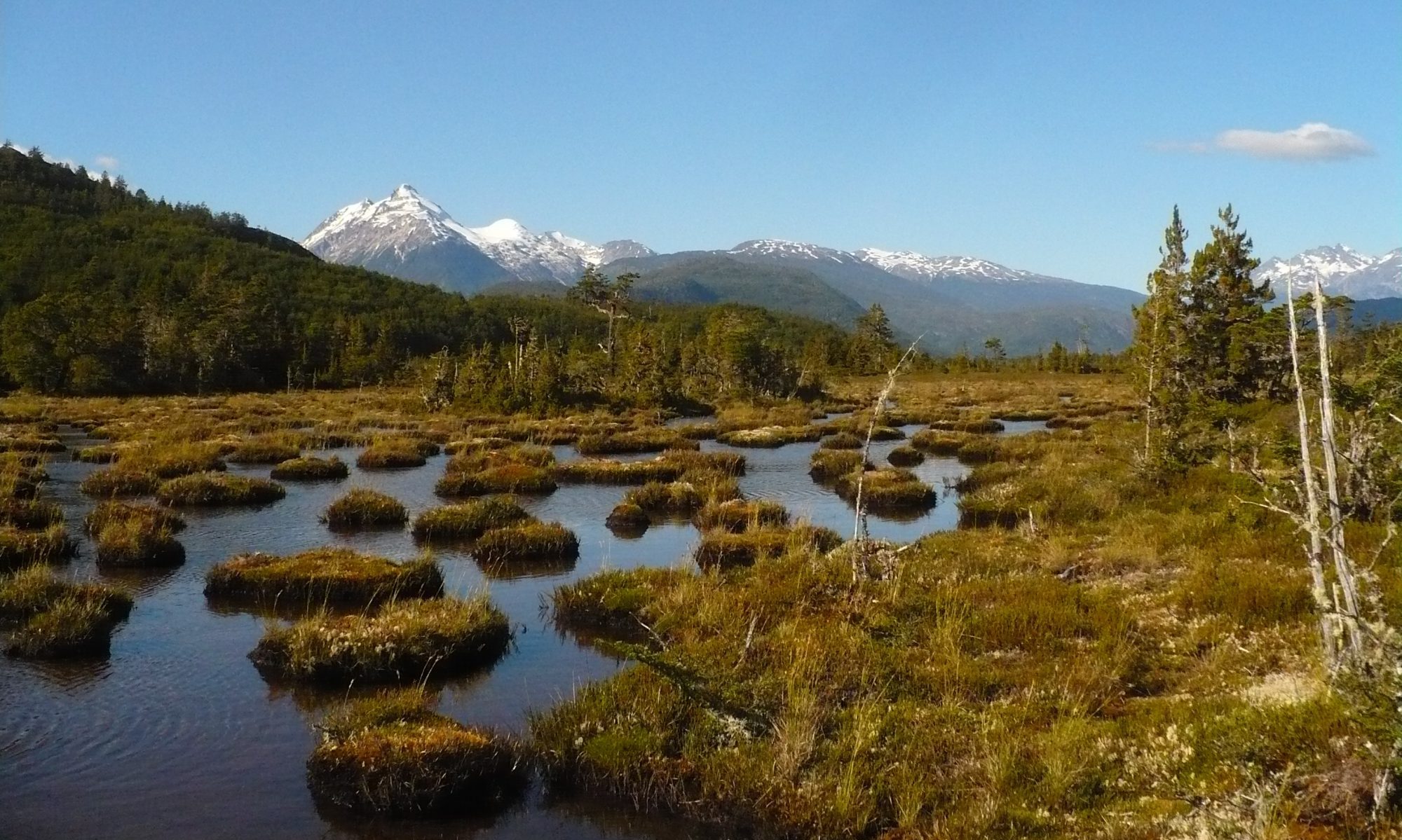
Chile's 2024 'Ley Pompón' bans peat extraction and regulates Sphagnum moss harvesting across an estimated 3.2-4 million hectares of peatland; an independent …
Punta Arenas, Chile
Good practice
Evidence: Descriptive / self-reported
Top 89%27/100
In 2008, BirdLife International's Fiji Programme and two customary landowning clans eradicated invasive Pacific rats from all seven main Ringgold Isles by …
Ringgold Isles, Fiji
Good practice
Evidence: Descriptive / self-reported
Top 89%27/100
Kenya's largest mineral sands mine linked its lease to Gongoni Forest Reserve via a biodiversity corridor, propagating 232,945 trees across 305 species …
Kwale, Kenya
Good practice
Evidence: Observational / pre–post
Top 89%27/100
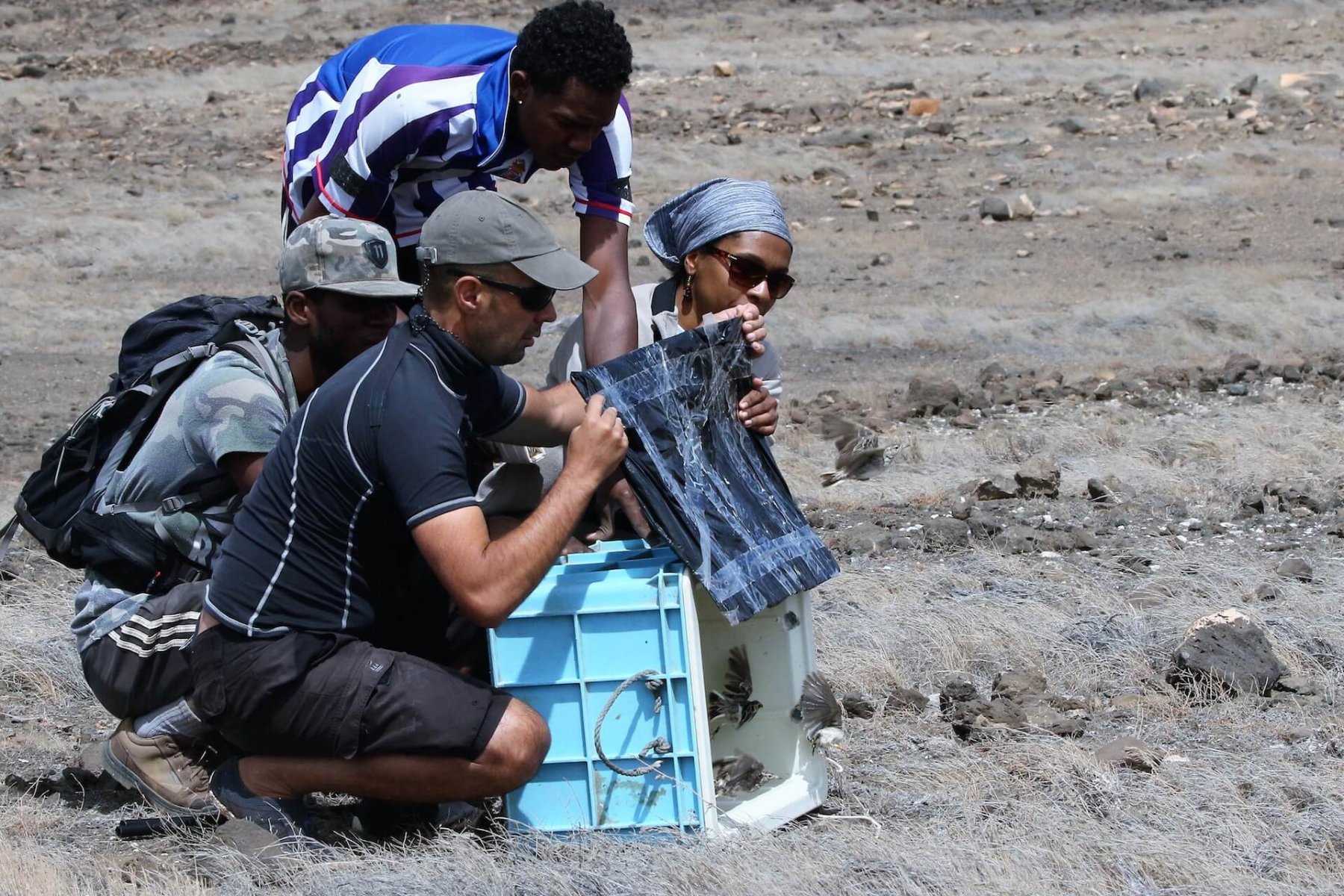
A brodifacoum rat-eradication operation on Suwarrow atoll's Motu Tou in 2013, run by the Cook Islands National Environment Service with BirdLife International …
Suwarrow Atoll, Cook Islands
Good practice
Evidence: Descriptive / self-reported
Top 89%27/100
Since 2010, Chile's Law 20.412 has paid smallholder and family farmers via INDAP/SAG competitive rounds to restore degraded agricultural soils; 2025 Biobío-region …
Concepcion, Chile
Good practice
Evidence: Descriptive / self-reported
Top 89%27/100
Rio Tinto's Oyu Tolgoi mine runs an 80,000 km² landscape biodiversity offset (~880x its footprint); WCS-verified khulan (~36,000) and goitered gazelle (~28,500) …
Khanbogd, Mongolia
Good practice
Evidence: Observational / pre–post
Top 89%27/100
Parks Canada and the Haida Nation ran a five-year, C$2.5M rat-eradication programme (2009-2013) on Gwaii Haanas islands, aiding seabird recovery — though …
Since the 1980s Bangladesh's Forest Department has leased degraded state land to landless growers who plant trees, sharing timber-auction proceeds 40-65% with …
Since 2014 New Zealand's national biodiversity-offsetting guidance has let developers offset unavoidable habitat loss through resource consents aiming for 'no net loss' …
Wellington, New Zealand
Good practice
Evidence: Observational / pre–post
Top 89%27/100