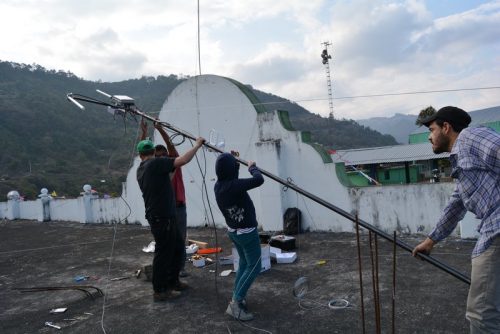
TIC A.C. operates the world's largest community-owned mobile network, covering 63 indigenous localities across five Mexican states; its 2016 Social Indigenous IFT …
Oaxaca de Juárez, Mexico
Good practice
Evidence: Descriptive / self-reported
Top 10%96/100
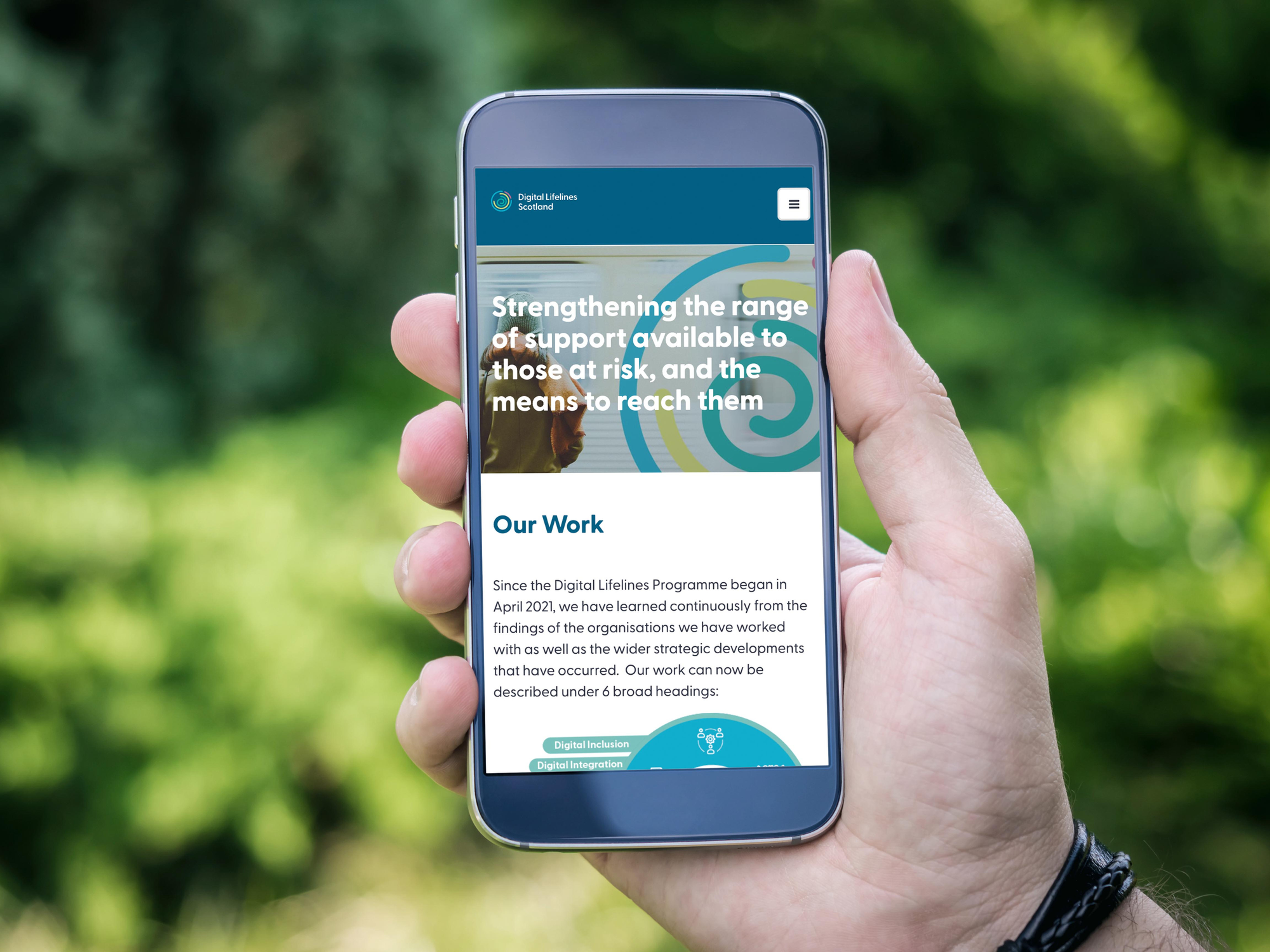
Launched in 2021 with £1.5m of Scottish Government funding, Digital Lifelines Scotland has distributed 3,044 devices and 3,845 connectivity packages to 5,502 …
Glasgow, United Kingdom
Good practice
Evidence: Descriptive / self-reported
Top 10%96/100
A community-owned GSM/4G cellular network built and operated by Indigenous, Afro-Colombian and campesino communities in Buenos Aires, Cauca, after they won a …
Solar-powered 'Instant Classroom' kits with tablets and localised e-learning content run in 28 Instant Network Schools centres across DR Congo, incl. the …
Lusenda (Fizi Territory, South Kivu), Congo (the Democratic Republic of the)
Good practice
Evidence: Descriptive / self-reported
Top 10%96/100
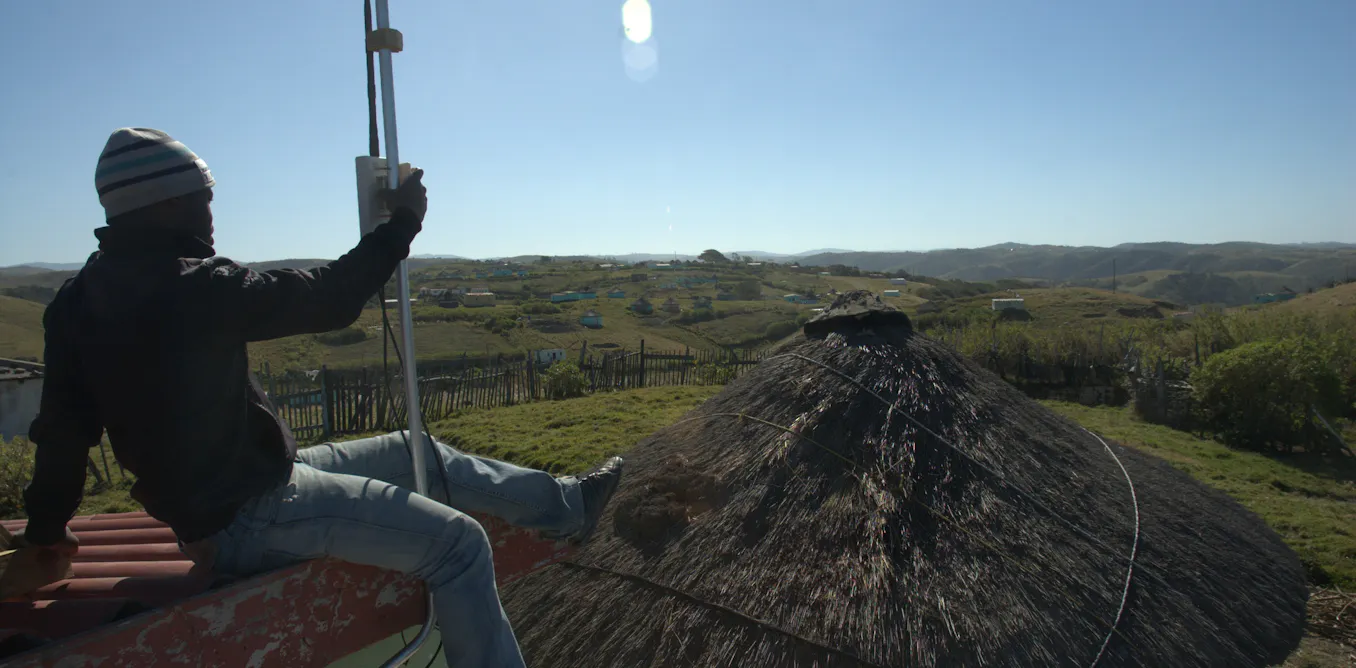
South Africa's first rural cooperative-owned ISP, Zenzeleni built a solar WiFi mesh network in Mankosi, Eastern Cape, selling access far below incumbent …
Since 1994, Keewaytinook Okimakanak's K-Net has built First Nations-owned broadband and telehealth infrastructure in remote northwestern Ontario, growing from 6 founding communities …
Sioux Lookout, Canada
Good practice
Evidence: Descriptive / self-reported
Top 10%96/100
OLE Nepal deploys offline digital libraries (E-Pustakalaya) and interactive learning software (E-Paath) on local servers in remote Nepali schools without internet access, …
Kathmandu, Nepal
Good practice
Evidence: Observational / pre–post
Top 10%96/100
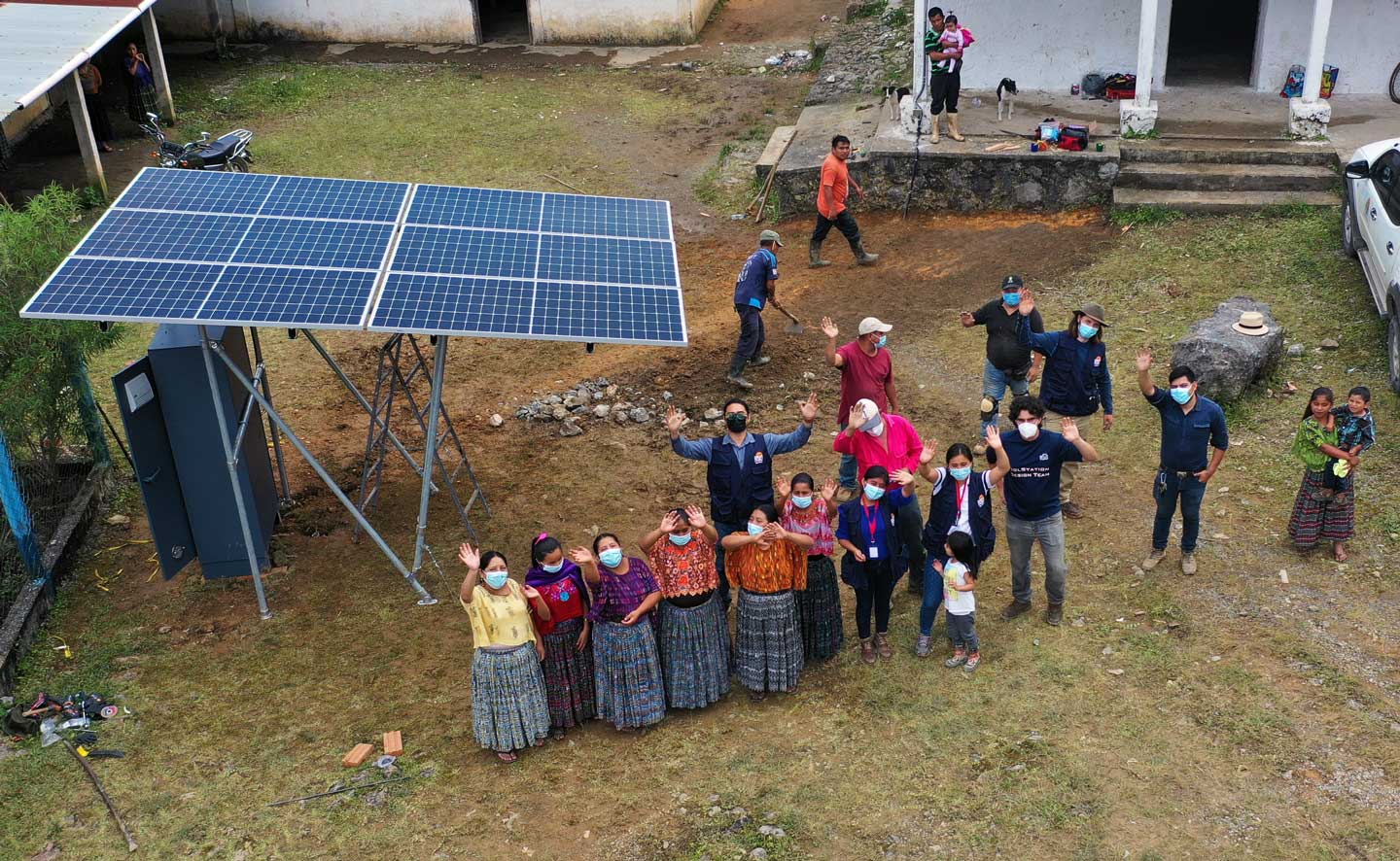
Solar-powered digital centres in indigenous Guatemalan villages deliver digital literacy and leadership training to Mayan women and youth; a 2025 Frontiers study …
Huehuetenango, Guatemala
Good practice
Evidence: Descriptive / self-reported
Top 10%96/100
Peru's public-private neutral-wholesale infrastructure company provides shared 4G coverage in remote areas; by end-2022, 3.1 million Peruvians in 16,700+ rural localities gained …
Lima, Peru
Good practice
Evidence: Observational / pre–post
Top 10%96/100
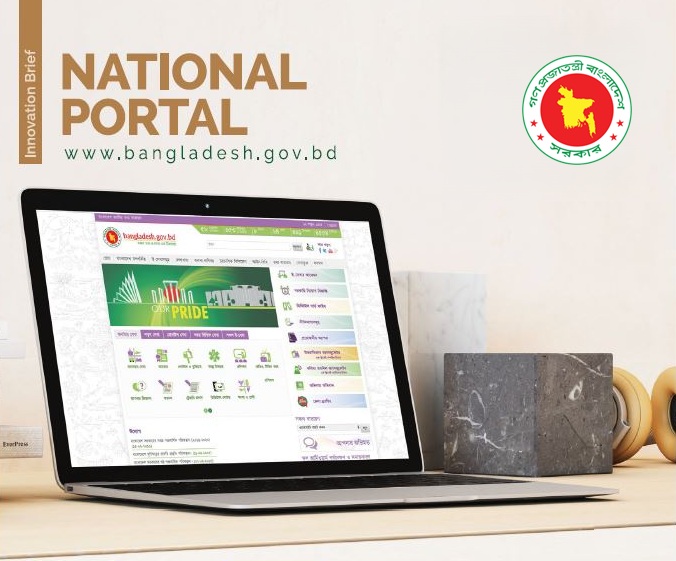
Bangladesh's a2i programme has established 5,000+ community Digital Centres at union level bringing 150+ e-services to rural citizens; 76.8 million people served, …
Dhaka, Bangladesh
Good practice
Evidence: Observational / pre–post
Top 24%92/100
A $25M ADB-financed submarine fibre-optic cable, commissioned in 2017, replaced Palau's costly satellite links, multiplying capacity more than tenfold and enabling nationwide …
Koror, Palau
Good practice
Evidence: Observational / pre–post
Top 24%92/100
World Bank/IFC-backed reform ended Comoros' telecom monopoly, introduced a competing operator and 4G, and subsidised broadband for schools — though national internet …
Since 2015, Uruguay's Plan Ibirapitá has given free senior-friendly tablets and digital-skills workshops to low-income pensioners nationwide. By 2019 nearly 193,000 tablets …
World Bank/ADB-financed submarine and domestic fibre links are cutting Kiribati's reliance on costly satellite bandwidth. Vodafone Kiribati reports 87% population coverage, but …
Tarawa, Kiribati
Good practice
Evidence: Descriptive / self-reported
Top 24%92/100
Coracle supplies offline, secure in-cell laptops with preloaded courses, reading material and accessibility tools to about 96 prisons in England and Wales. …
Cambridge, United Kingdom
Good practice
Evidence: Observational / pre–post
Top 24%92/100
A World Bank/DFAT-backed reform opened Solomon Islands' mobile market to competition, cutting call prices ~60% and lifting telecom access from about 11% …