Liste Zébrée: Gender-Alternation Candidate Lists for Local Elections
CAR's 2016 law set a 35% women-candidate quota. "Zebra list" alternation lifted local council representation to 45-53%, versus 12.5% of national candidates …
Topic: Political representation clear · back to the knowledge map
Most practices in: Portugal (8) · Romania (8) · Belgium (5)
CAR's 2016 law set a 35% women-candidate quota. "Zebra list" alternation lifted local council representation to 45-53%, versus 12.5% of national candidates …
Since 2006, Mauritania has required a 20% women's quota on party lists plus reserved National Assembly seats (2012 reform). Women's representation rose …
Suriname's Bureau of Gender Affairs issued a 15-year Gender Vision Policy (2021-2035) on political participation, building on a decade of steady, unlegislated …
A cross-party coalition of women from 16 political parties, launched in 2017 with EU and UNDP support, that pushed electoral quota reform …
Senegal's 2010 parity law requires alternating male-female candidate lists. Women's share of the National Assembly nearly doubled to about 43% in 2012, …
Mexico's 2019 constitutional reform mandates gender parity across all three branches of government at every level. Congress reached near-parity after the 2018 …
Sierra Leone's 2022 Gender Equality Act mandates a 30% quota for women in politics, public service and firms with 25+ staff. After …
Since 2013, SWAPO's 50/50 rule alternates male and female candidates on all National Assembly lists. Women's seats rose from 21% (2010) to …
Benin's November 2019 reform expanded parliament from 83 to 109 seats and reserved 24 seats exclusively for women, one per constituency. In …
Taiwan reserves at least one in four council seats for women in multi-member districts. Women now hold 41.6% of the national Legislative …
Angola's Law 20/10 (2010) mandates at least 30% gender representation in all directive bodies. Women's share of National Assembly seats reached 38.6% …
APHEDA project (2017-2021), Bac Kan & Hai Duong provinces: 300 women supported in commune elections, 203 elected (68% success rate). Linked to …
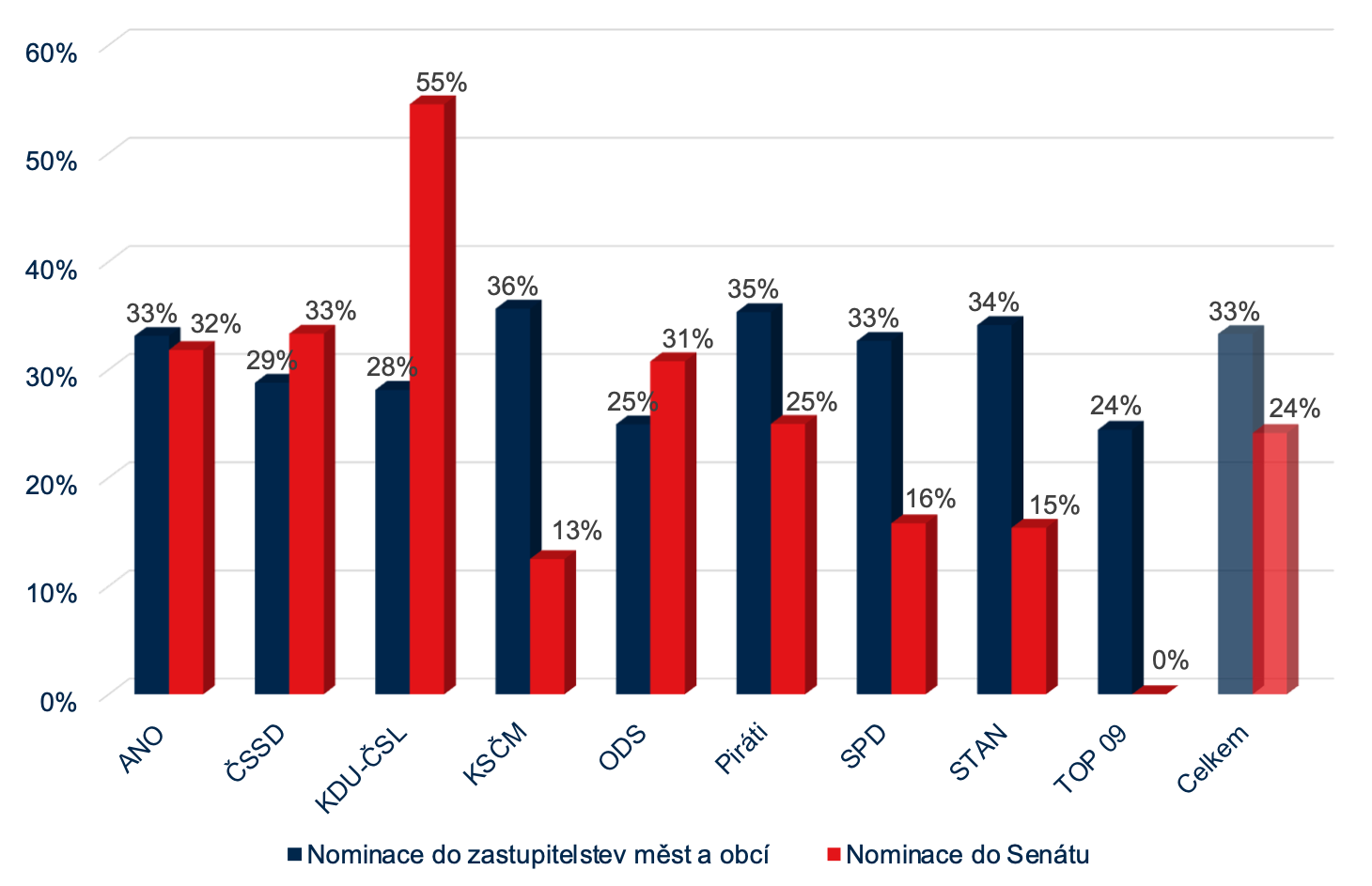
Czech political scene proves that parties are open to women. The most significant is the electoral system including the size of precincts …
North Macedonia raised its candidate-list gender quota to 40% via Electoral Code amendments, but seat shares have since slipped from 42.5% (2024) …
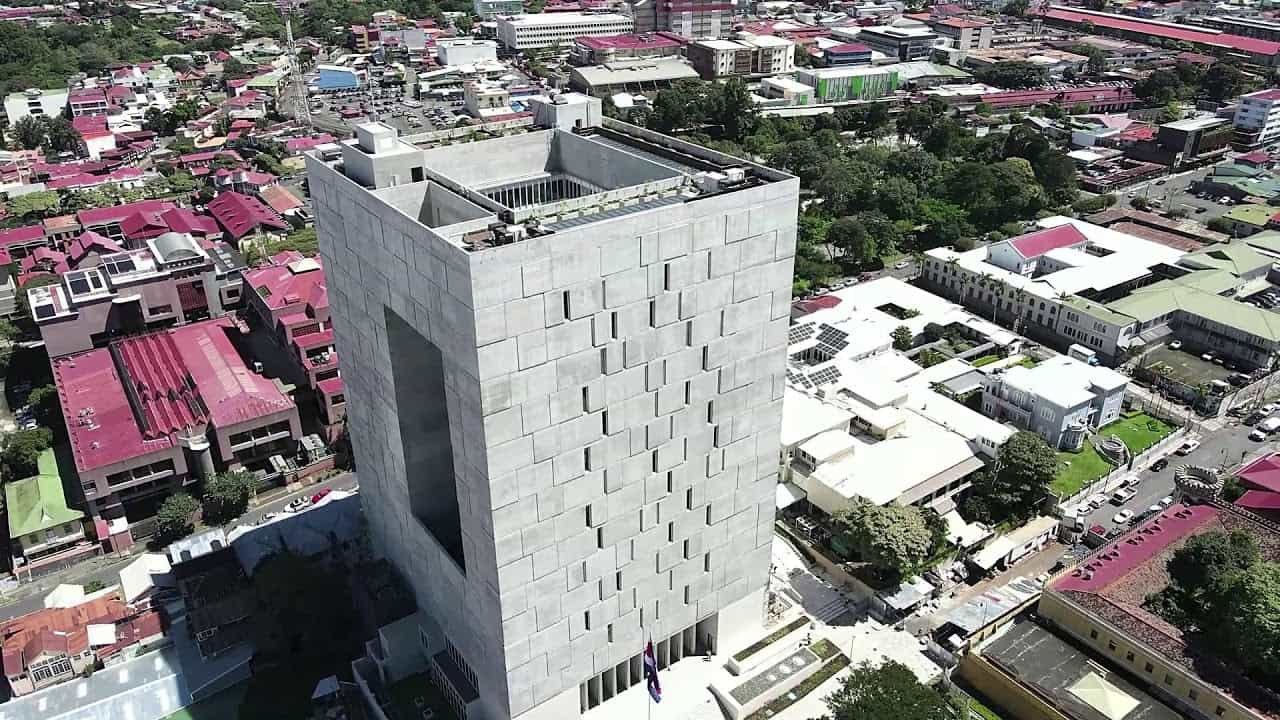
Costa Rica's 2009 Electoral Code mandates 50% women on all candidate lists with strict vertical and horizontal alternation and electoral sanctions; women …
The history of female political participation is being continuously rewritten, with new names and facts entering the public discourse. Such historical highlights …
Quotas are employed or proposed in several European countries as a means to decrease differences in outcomes across groups. Quotas belong to …
In 2018 Djibouti raised its legal candidate quota for women from 10% to 25%, with non-compliant party lists ruled inadmissible. Women's seats …
Since 2005, Iraq's constitution has reserved at least 25% of the 329-seat Council of Representatives for women. In 2021, women won 95 …
Lesotho's 2005 Local Government Elections Act randomly reserved 30% of local council seats for women-only contests, pushing female representation to 58% that …
Uzbekistan's legal candidate quota for women rose from 30% (2019) to 40% (2024). Women's share of elected Legislative Chamber deputies grew from …
Sri Lanka's 2016 law required 25% women candidates for local councils. In the 2018 elections, women's representation jumped from under 2% to …
Kosovo's Law No. 03/L-073 (2008) mandates ≥30% of each gender on Assembly candidate lists, alternating every 3 names. Women's Assembly seats have …
Moldova's Law No. 71/2016 requires ≥40% of each sex on party candidate lists for parliamentary and local elections. Women's share of MPs …
Open full copilot Grounded in cited practices — always check the sources.