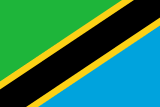
Tanzania reserves ≥30% of National Assembly seats for women via party-proportional special seats. After 2020 elections women held 37.4%: 113 through the …
Dodoma, Tanzania
Good practice
Evidence: Observational / pre–post
Top 42%74/100
Nepal's 2015 Constitution mandated 40% women in all state organs; the 2017 local elections resulted in 14,352 women elected—40.96% of 35,041 representatives—making …
Kathmandu, Nepal
Good practice
Evidence: Observational / pre–post
Top 42%74/100
South Korea's rolling 5-year gender representation plans delivered measurable results: female Grade-4-plus civil servants rose from 15.6% (2018) to 30.8% (2023), exceeding …
Seoul, South Korea
Literature / resource
Evidence: Descriptive / self-reported
Top 42%74/100
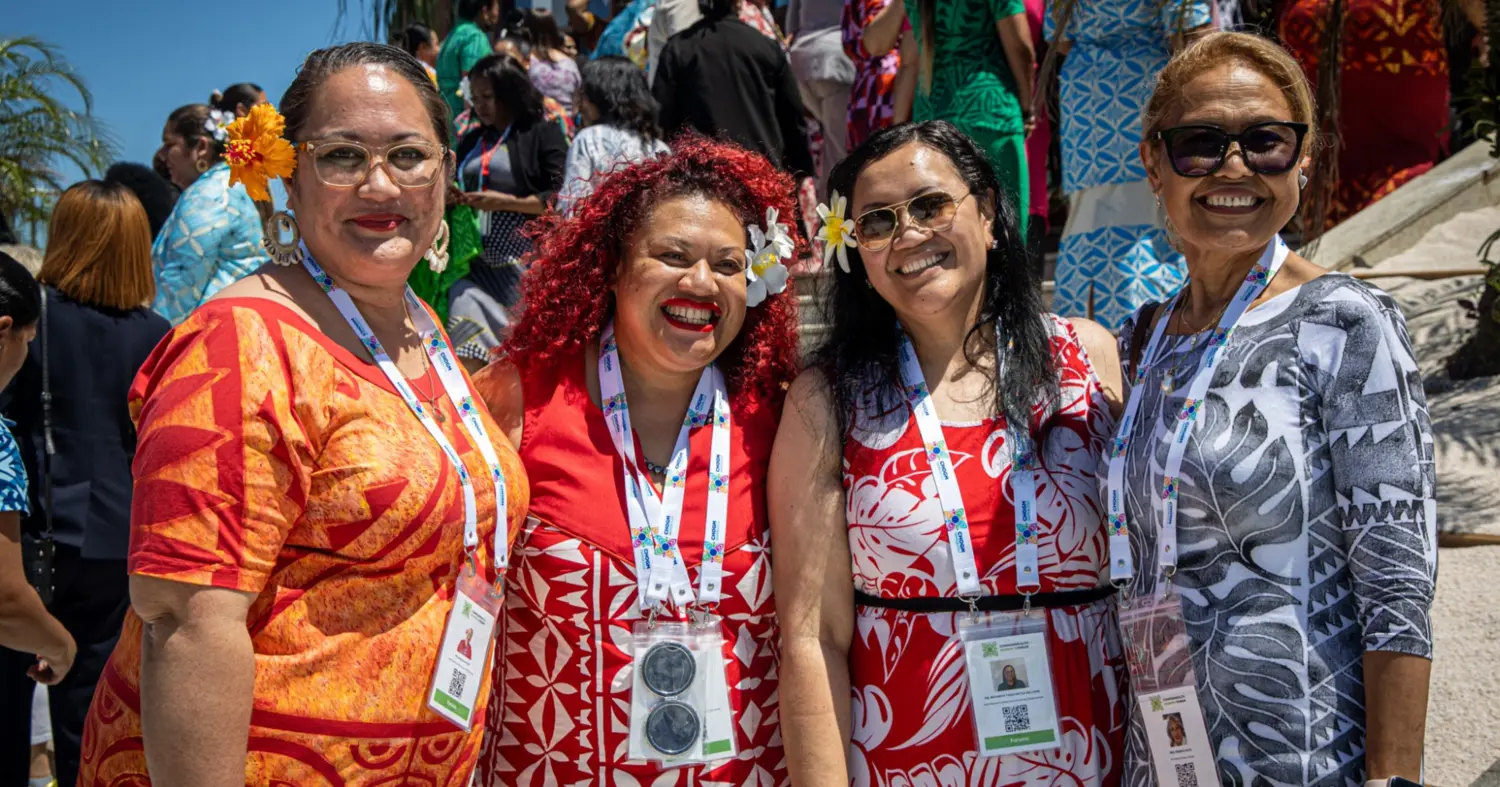
A 2013 constitutional amendment guarantees Samoa's Legislative Assembly a minimum of 10% women members. First applied in 2016, it lifted women's seats …
This policy document outlines Luxembourg's strategy for promoting gender equality in various areas, including decision-making positions in politics, business, and public administration. …
Andorra's first gender-equality law (2022) mandates equality plans, pay-gap reporting for firms with 50+ staff and a public wage-gap registry, plus a …
Andorra la Vella, Andorra
Good practice
Evidence: Descriptive / self-reported
Top 55%63/100
Somalia's 2016 clan-based electoral model reserved 30% of parliamentary seats for women, lifting representation from 14% (2012) to 24% (2016). The target …
This analysis by CESI explores women's representation in Croatian electoral processes since the 2007 parliamentary elections, emphasizing the promotion of women's political …
On 28 July 2022 São Tomé and Príncipe's National Assembly unanimously passed a law reserving 40% of parliamentary, cabinet and public-administration posts …
São Tomé, Sao Tome and Principe
Good practice
Evidence: Observational / pre–post
Top 67%52/100