Good practice
Evidence: Descriptive / self-reported
Top 10%
96/100
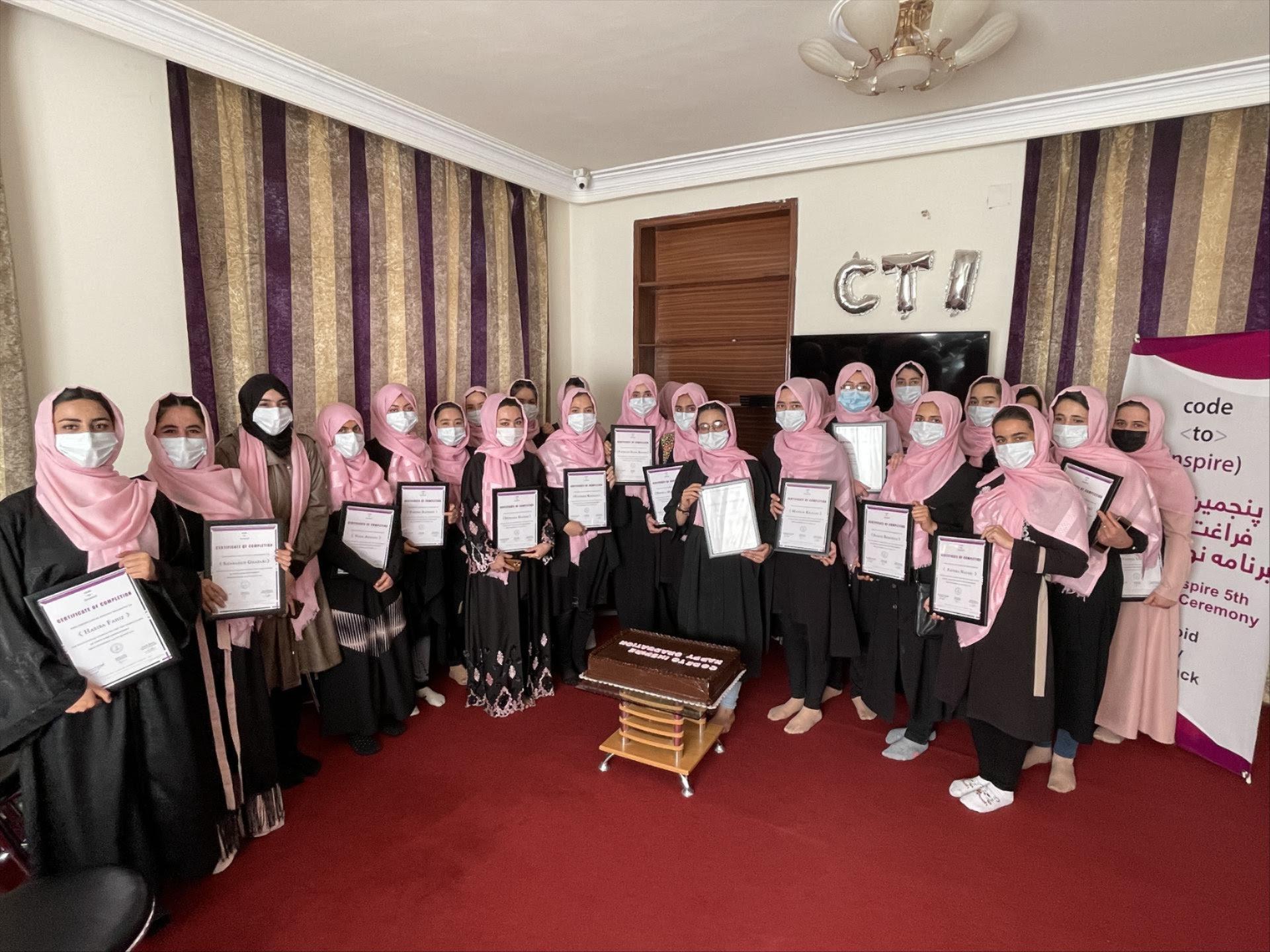
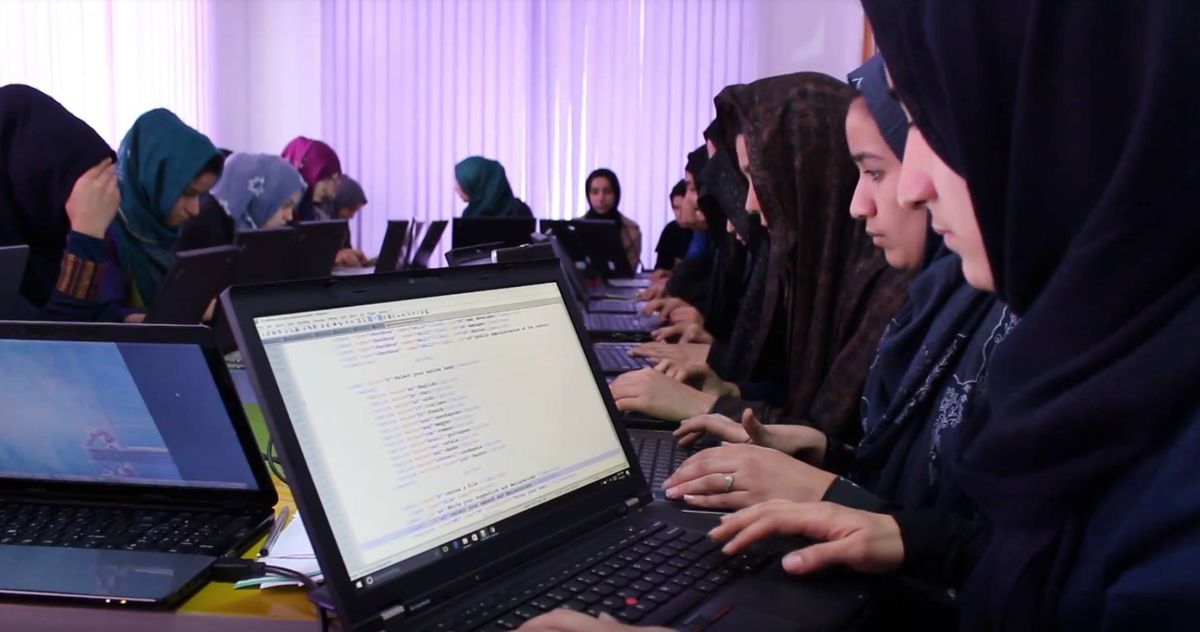
Code to Inspire, founded in 2015 in Herat, is Afghanistan's first all-female coding school, teaching coding, app and game development to 200 …
Herat, Afghanistan
Good practice
Evidence: Observational / pre–post
Top 39%
76/100
Afghan tech firm Paiwastoon built Ustad Mobile to deliver the national literacy curriculum offline on basic phones via peer-to-peer sharing. A field …
Kabul, Afghanistan
Good practice
Evidence: Randomised controlled trial
Top 14%
67/100
A randomized controlled trial by Kyoto University added a GPT-4 chatbot co-facilitator to online discussions for 80 Afghan undergraduates (40 women, 40 …
Kabul, Afghanistan
Good practice
Top 55%
63/100
A trial of 1,461 women in Kabul and Nangarhar found income, savings and gender attitudes improved after WfWI's programme, but partner violence …
Kabul, Afghanistan
Good practice
Good practice
Evidence: Descriptive / self-reported
Top 56%
47/100
SOLA, the Kabul-founded school led by Shabana Basij-Rasikh, uses generative AI to digitize Afghanistan's curriculum and deliver it free via WhatsApp to …
Kabul, Afghanistan
Good practice
Evidence: Descriptive / self-reported
Top 81%
33/100
Since Afghanistan's 2021 ban on girls' secondary education, the Digital Citizen Fund has distributed a free offline app, Edy, featuring an AI …
Herat, Afghanistan
Good practice
Top 99%
29/100
Founded in 2015 by an Afghan computer-science professor in exile, Code to Inspire was Afghanistan's first all-female coding school. By 2020 it …
Herat, Afghanistan
Good practice
Evidence: Observational / pre–post
Top 89%
27/100
In Afghanistan's Wakhan Corridor, WCS camera traps confirmed snow leopards at 16 locations under a 2016–2019 GEF-funded, community-managed protection programme — a …
Qala-e Panja, Afghanistan
Good practice
Good practice
Evidence: Descriptive / self-reported
Top 90%
22/100
Since August 2021 the Taliban have barred girls from secondary school and most women from paid work. UNDP estimates the employment ban …
Kabul, Afghanistan
Good practice
Top 100%
13/100
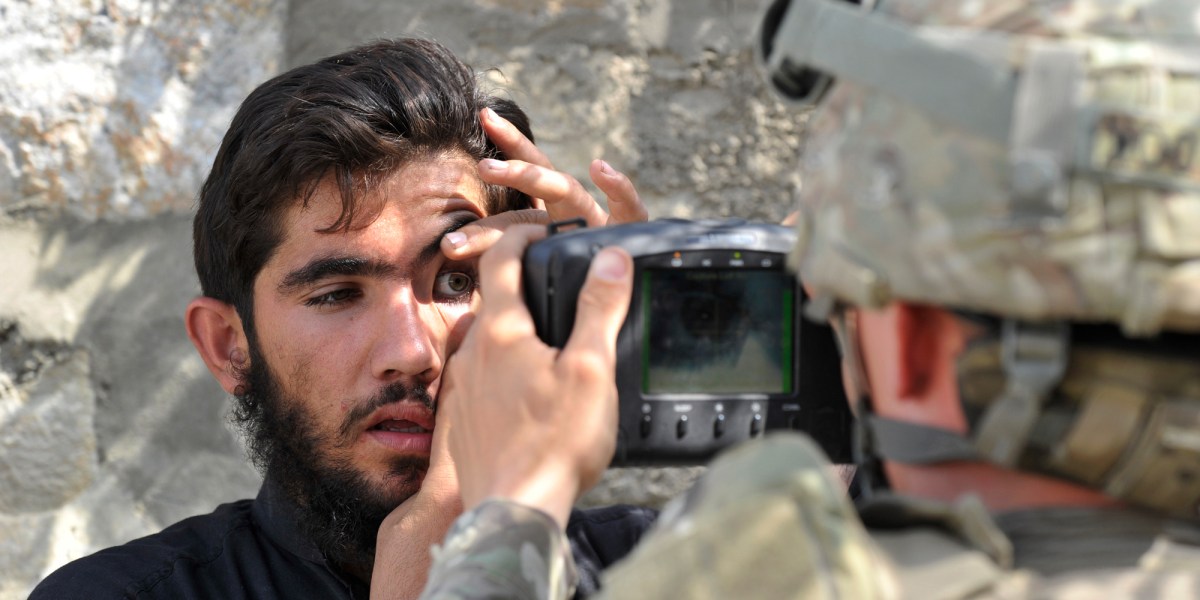
Two U.S.-funded biometric databases built to modernise Afghan public administration — a $38m payroll system and a national ID system that once …
Kabul, Afghanistan