The UK's quality-assurance standard for peatland restoration: it issues verified carbon units for rewetting degraded peat, delivering bundled carbon, water and biodiversity …
Edinburgh, United Kingdom
Good practice
Evidence: Observational / pre–post
Top 4%73/100
Scottish Government grant programme funding voluntary peatland restoration by landowners; 90,000 ha on path to recovery and 14,860 ha restored in 2024–25 …
Edinburgh, United Kingdom
Good practice
Evidence: Descriptive / self-reported
Top 4%73/100
The UK's government-backed standard for woodland-creation carbon: validated projects are predicted to sequester ~13 MtCO2 over their lifetime, with a public registry …
Edinburgh, United Kingdom
Good practice
Evidence: Observational / pre–post
Top 7%67/100
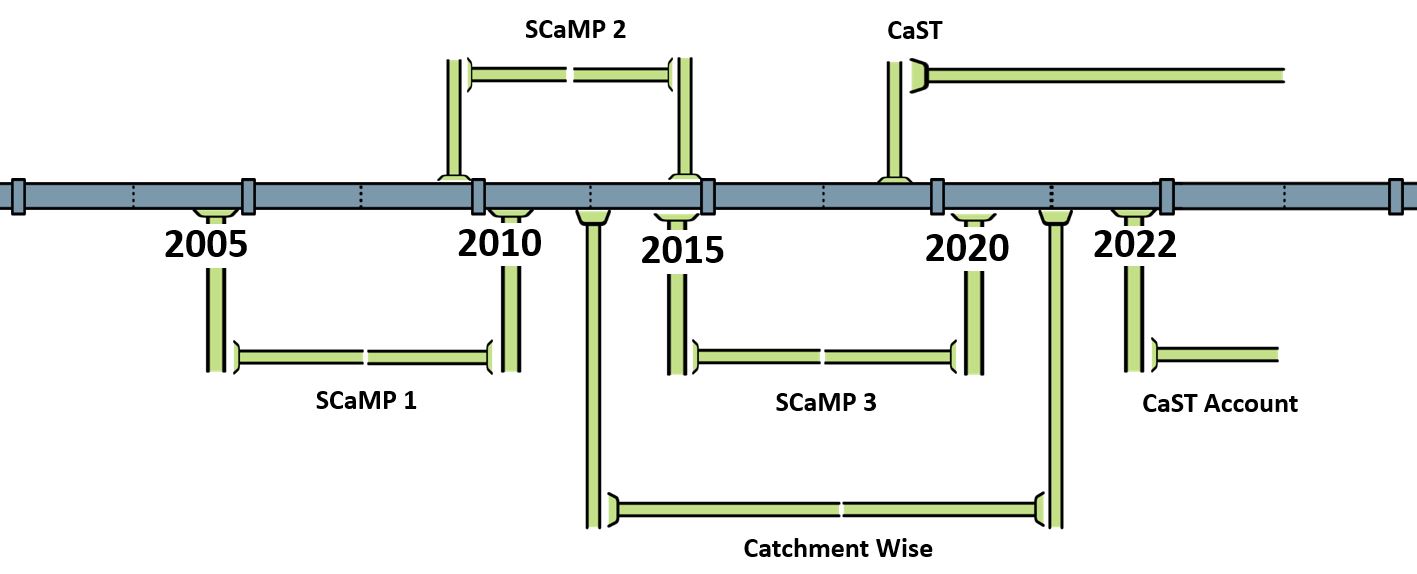
United Utilities' £22.2M Sustainable Catchment Management Programme (2005-2015) paid tenant farmers across 57,000 hectares of Peak District and Forest of Bowland moorland …
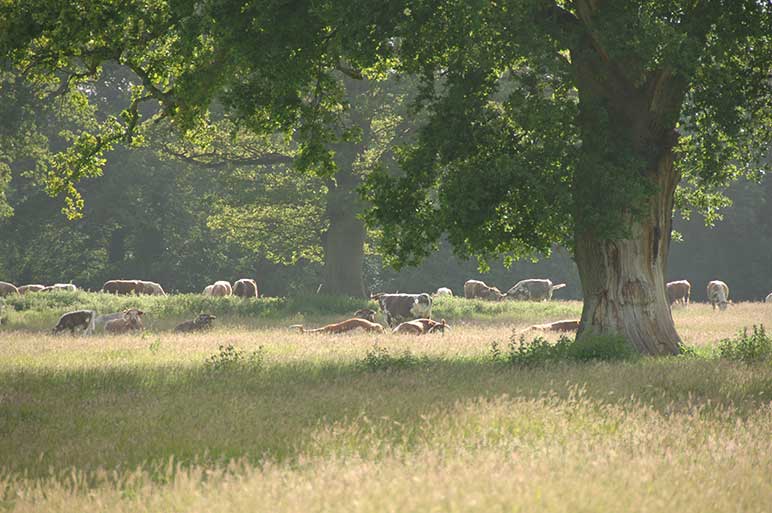
Since 2000 the Knepp Estate has replaced intensive farming on 1,400 ha with free-roaming grazers and natural regeneration; surveys report breeding birds …
Scotland's Nature Restoration Fund has put £65 million into nearly 800 projects since 2021, restoring over 15,400 hectares of habitat, planting 300,000+ …
Edinburgh, United Kingdom
Good practice
Evidence: Observational / pre–post
Top 27%53/100
Since February 2024, most development in England must deliver a measurable 10% biodiversity net gain in standardised biodiversity units — a statutory …
Blanket-bog restoration at Dryhope in the Scottish Borders became the UK's first project verified under the Peatland Code, blending public Peatland ACTION …
Four-landowner partnership restoring ~600 km² of the Cairngorms on a 200-year vision; partner-reported progress since 2019 includes 8,219 ha of conifer removal, …
WWF and Sky Ocean Rescue funded Swansea University, Project Seagrass and Pembrokeshire Coastal Forum to plant the UK's first major seagrass restoration …
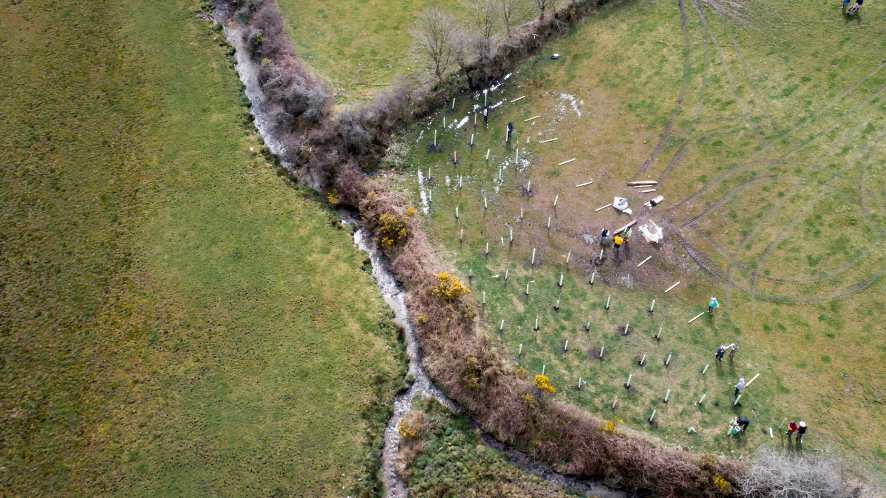
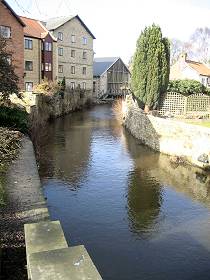
Defra-funded catchment measures (woody debris dams, bunds, tree planting, wetlands) above Pickering, a town flooded four times in 1999–2007. Modelling estimates annual …
Pickering, United Kingdom
Good practice
Evidence: Descriptive / self-reported
Top 76%33/100
England's largest private Biodiversity Net Gain habitat-bank operator; by December 2024 it had 16 habitat banks entered on Natural England's statutory gain-sites …
York, United Kingdom
Good practice
Evidence: Descriptive / self-reported
Top 76%33/100