Digital Wolves
Digital Wolves aims to introduce the wonderful digital world to youngsters (aged 5 to 18) and foster their curiosity via workshops, most …
Topic: Equality & Social Inclusion clear · back to the knowledge map
-154 practices not yet assessed for evidence strength.
Most practices in: United Kingdom (101) · Portugal (58) · Belgium (45)
Digital Wolves aims to introduce the wonderful digital world to youngsters (aged 5 to 18) and foster their curiosity via workshops, most …
Laboratorio Social Digital is a meeting point for people with diverse profiles who come together to discover, share and experiment around new …
In Feb 2022 U.S. Soccer settled a class-action equal-pay lawsuit for $24M; in May 2022 it signed identical CBAs with its men's …
Nauru's Domestic Violence and Family Protection Act took effect in June 2017; backed by Australian and UN support, its police Family and …
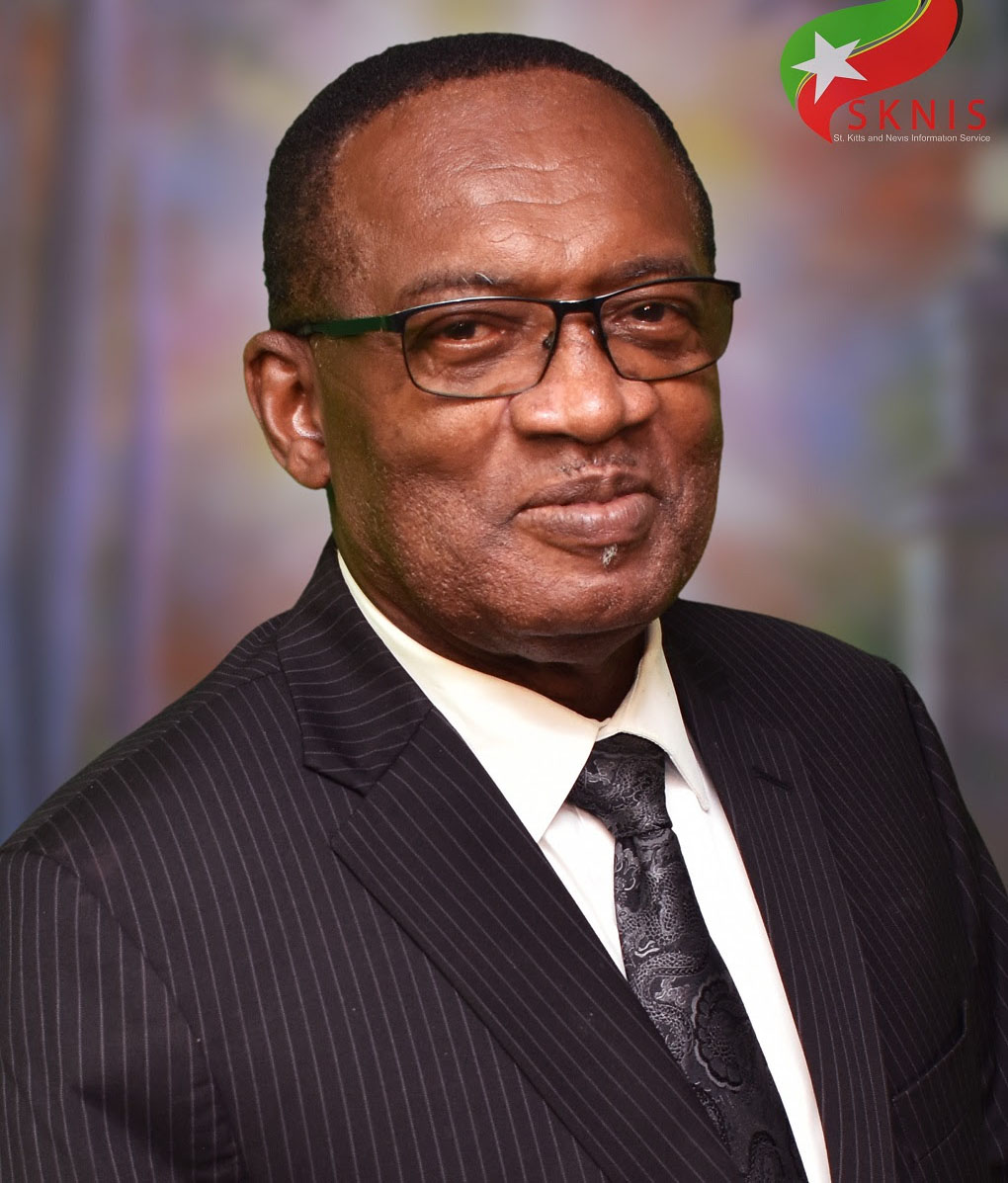
Saint Kitts and Nevis launched a national gender policy in June 2022 covering 10 priority areas; a 2022 CEDAW review recorded a …
Canada-funded 'Build Back Equal', launched in Saint Lucia in May 2022 by UN Women and UNFPA, drove the country's first-ever National GBV …
Rwanda's government-led Digital Ambassadors Program trains young digital ambassadors, 51% of them women, to deliver community digital-literacy training nationwide. Over 3.26 million …
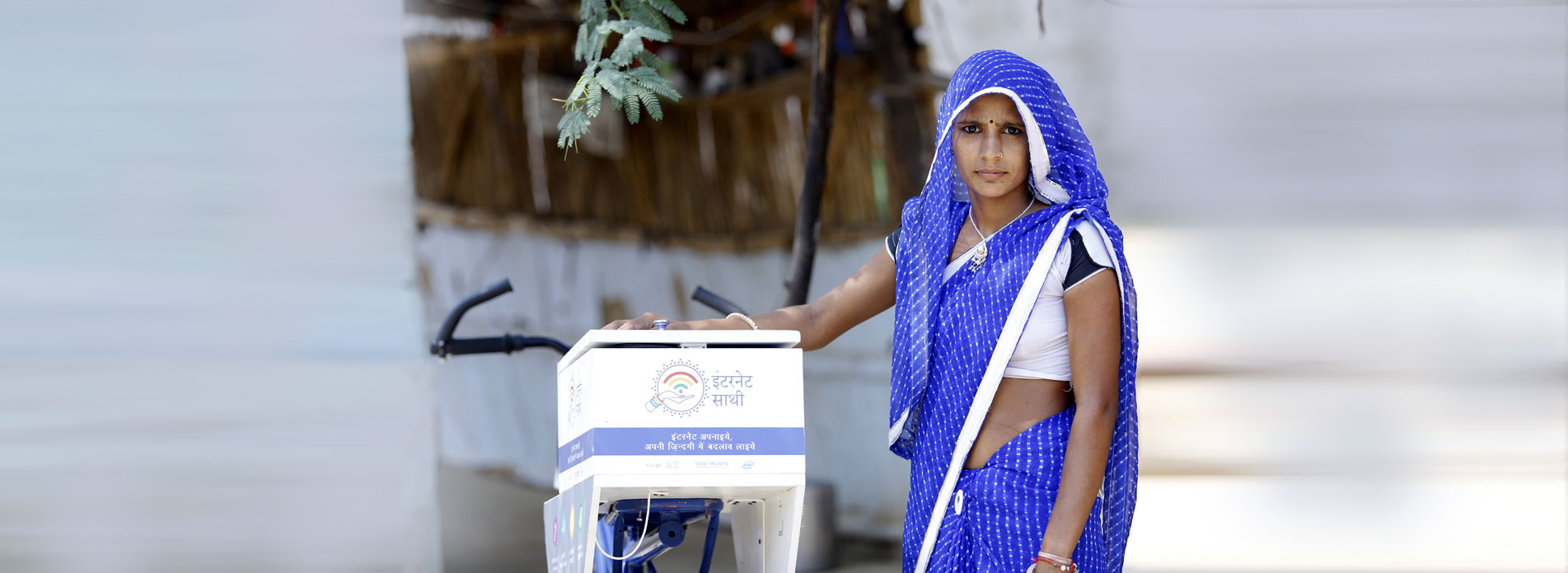
Tata Trusts and Google India's Internet Saathi programme trained close to 60,000 rural women as digital-literacy trainers ('saathis'), reaching over 20 million …
In 2018 Djibouti raised its legal candidate quota for women from 10% to 25%, with non-compliant party lists ruled inadmissible. Women's seats …
Madagascar's $47m CASEF programme (2016–2024) cut the cost of a land certificate from about $600 to $25 and issued over 570,000 certificates, …
Since 2005, Iraq's constitution has reserved at least 25% of the 329-seat Council of Representatives for women. In 2021, women won 95 …
Lesotho's 2005 Local Government Elections Act randomly reserved 30% of local council seats for women-only contests, pushing female representation to 58% that …
Since 2006, Liberia's Women in Peacebuilding Network (WIPNET) has run community "Peace Huts" where women mediate disputes and refer gender-based violence cases …
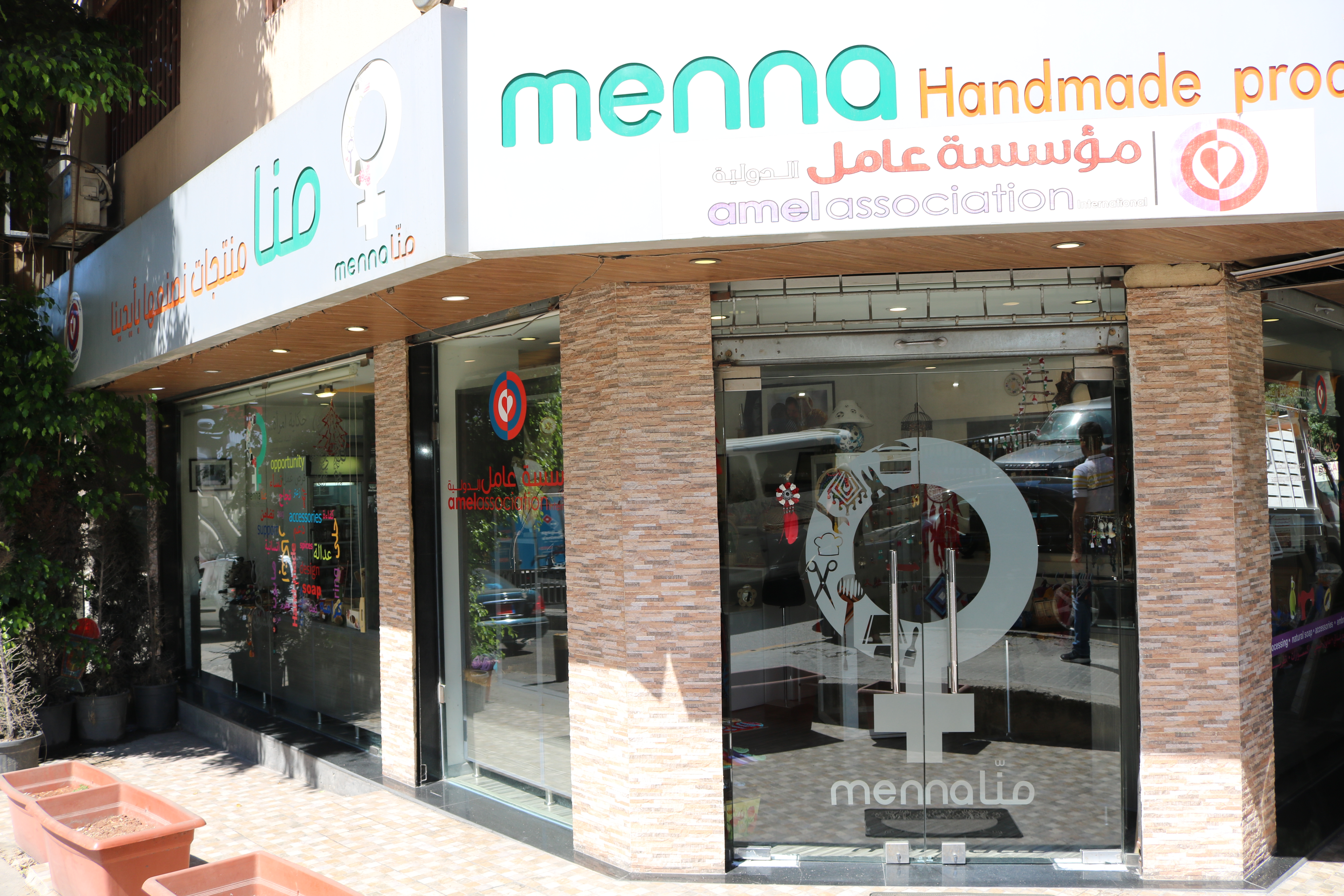
Amel Association built MENNA, a network of 13 Lebanese civil-society groups that trained over 1,000 rural and Syrian refugee women in handicraft …
Uzbekistan's legal candidate quota for women rose from 30% (2019) to 40% (2024). Women's share of elected Legislative Chamber deputies grew from …
Sri Lanka's 2016 law required 25% women candidates for local councils. In the 2018 elections, women's representation jumped from under 2% to …
Kosovo's Law No. 03/L-073 (2008) mandates ≥30% of each gender on Assembly candidate lists, alternating every 3 names. Women's Assembly seats have …
Moldova's Law No. 71/2016 requires ≥40% of each sex on party candidate lists for parliamentary and local elections. Women's share of MPs …
Since 1997 the Dominican Republic has progressively tightened its electoral candidate quota from 25% to a 40–60% parity band, lifting women's share …
Georgia's 2020 Electoral Code required every 4th party-list seat to go to a person of a different gender. Women in parliament rose …
Taiwan's 2002 Act mandates equal pay, paid maternity leave, paternity leave, sexual harassment prevention and flexible work. Female LFP rose from ~46% …
Tanzania reserves ≥30% of National Assembly seats for women via party-proportional special seats. After 2020 elections women held 37.4%: 113 through the …
Uruguay's Law 19.580 (2017) defines 20+ GBV forms — including femicide, obstetric and digital violence. Creates a GBV Observatory and specialised courts. …
Nepal's 2015 Constitution mandated 40% women in all state organs; the 2017 local elections resulted in 14,352 women elected—40.96% of 35,041 representatives—making …
Open full copilot Grounded in cited practices — always check the sources.