NZD 2 billion pay equity settlement for 55,000 predominantly-female care and support workers, enacted June 2017. Wages rose 15-50% (minimum-wage workers: +21%). …
Law 21.216 (2020) mandated parity electoral lists and a results-correction mechanism for Chile's Constitutional Convention, producing the world's first gender-balanced constitutional body: …
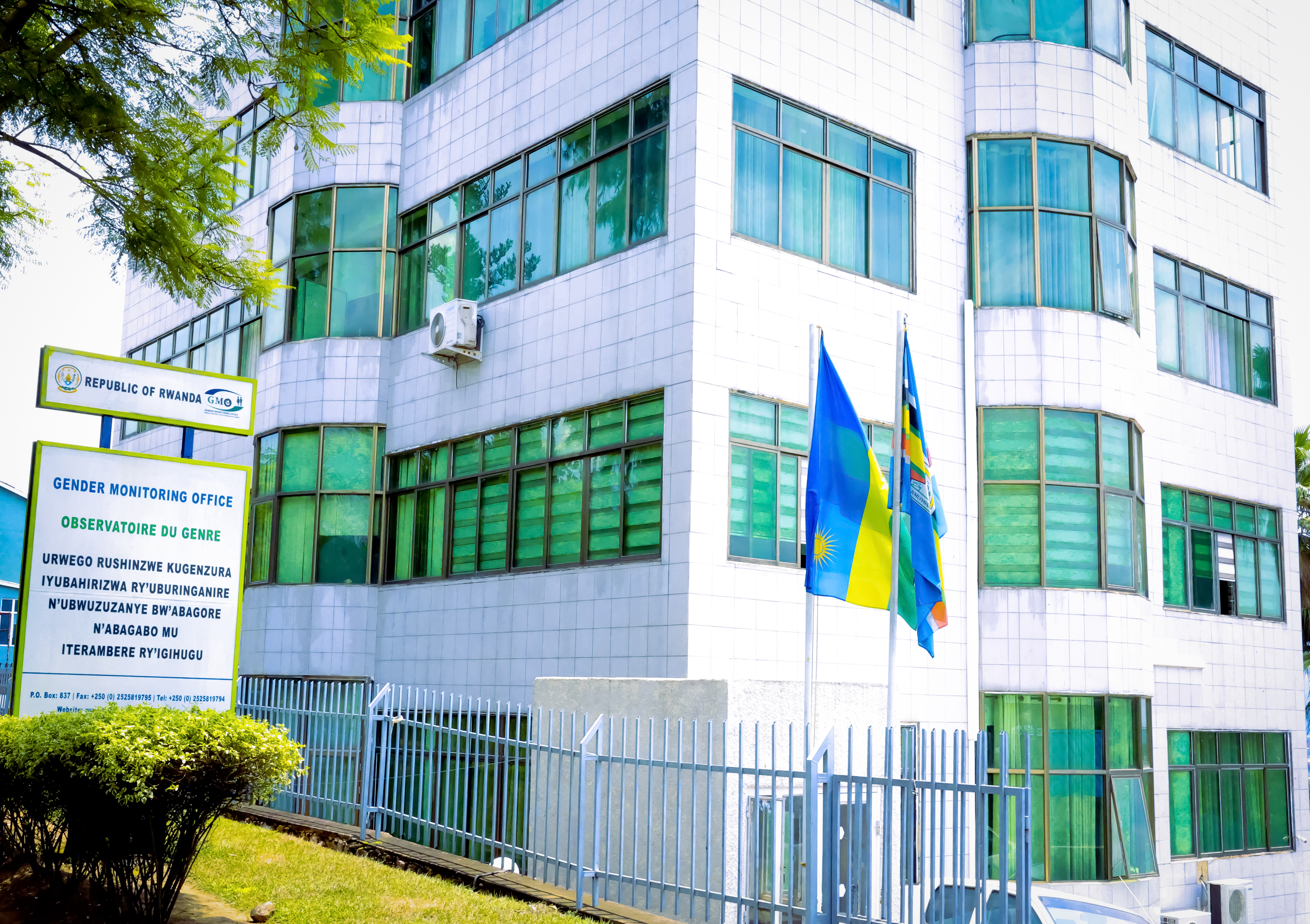
Rwanda's 2003 Constitution (Art. 76) mandates ≥30% women in all elected positions; the Gender Monitoring Office (Law 51/2007) enforces compliance across public, …
Kigali, Rwanda
Good practice
Evidence: Observational / pre–post
Top 9%96/100
Sweden's Discrimination Act requires employers with 10+ staff to conduct an annual pay equity survey (lönekartläggning) and close identified gaps within three …
Stockholm, Sweden
Good practice
Evidence: Observational / pre–post
Top 9%96/100
France's 2018 law requires companies with 50+ employees to publish an annual gender-equality score (0–100 points). Average scores rose from 84/100 (2020) …
Ireland's 2012 law conditions party state funding on fielding ≥30% women candidates (threshold raised to 40% in 2023). Women's Dáil representation rose …
Dublin, Ireland
Good practice
Evidence: Observational / pre–post
Top 9%96/100
The Águas de Portugal Gender Equality Plan outlines a comprehensive set of actions aimed at promoting gender equality in decision-making and leadership …
National, Portugal· National
Good practice
Evidence: Descriptive / self-reported
Top 9%96/100
World Bank/IFC-backed reform ended Comoros' telecom monopoly, introduced a competing operator and 4G, and subsidised broadband for schools — though national internet …
Moroni, Comoros
Good practice
Evidence: Observational / pre–post
Top 24%92/100
A World Bank/DFAT-backed reform opened Solomon Islands' mobile market to competition, cutting call prices ~60% and lifting telecom access from about 11% …
Honiara, Solomon Islands
Good practice
Evidence: Observational / pre–post
Top 17%89/100
Norway's 2020-strengthened Equality Act requires all public and private employers with 50+ employees to conduct biennial gender pay mapping (lønnskartlegging) via a …