
Born from research into why foreign residents died disproportionately in the 1995 Kobe earthquake, Yasashii Nihongo is now a codified plain-language design …
Tokyo, Japan
Good practice
Evidence: Descriptive / self-reported
Top 10%96/100
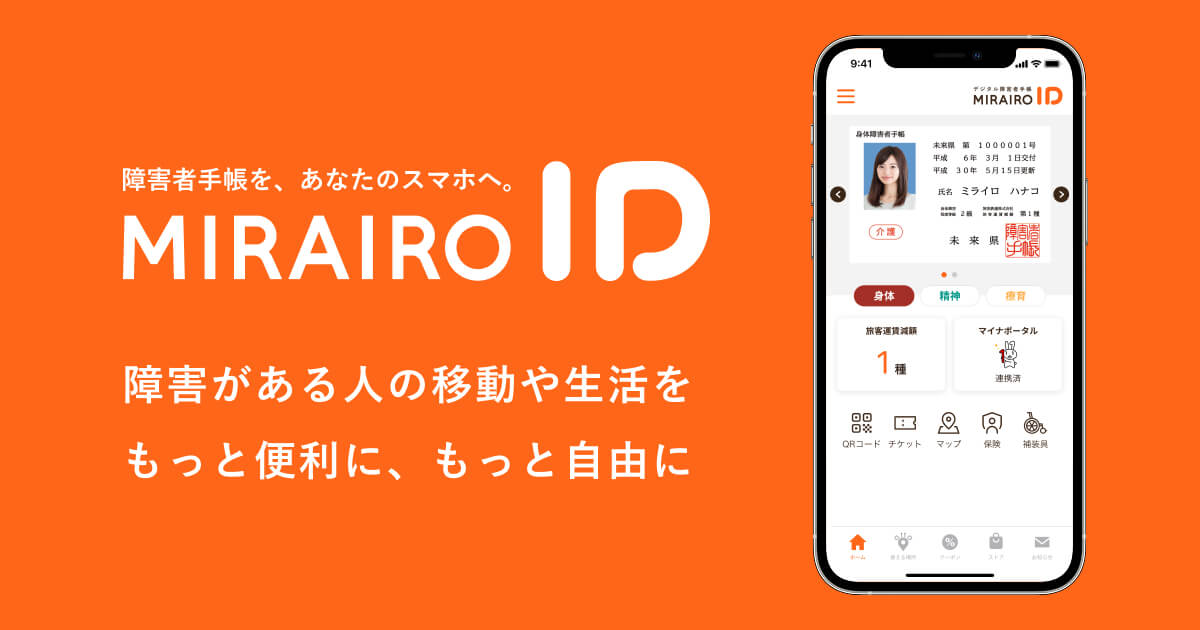
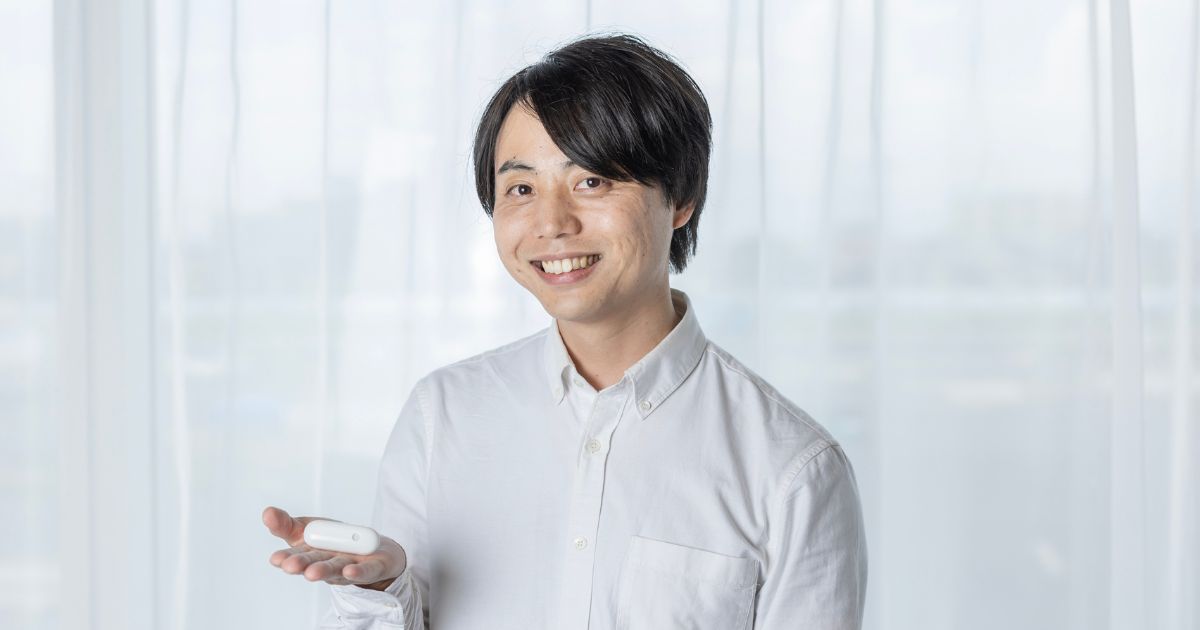
Founded in Osaka in 2010 by wheelchair user Toshiya Kakiuchi, Mirairo built a smartphone-based digital disability certificate now used by 4,200+ partner …
Osaka, Japan
Good practice
Evidence: Quasi-experimental
Top 24%92/100
Since October 2017, Japan Post's Mimamori service sends postal workers on monthly check-in visits to older people living alone, reporting wellbeing to …
Fujitsu's Raku-Raku ('easy-easy') handset line, sold via NTT DOCOMO in Japan since 2001, is redesigned each generation from long-term user research with …
MLIT runs a national catalog certifying AI and sensor-based bridge/tunnel inspection technologies against published performance criteria. Listings grew from 12 to 215 …
Tokyo, Japan
Good practice
Evidence: Observational / pre–post
Top 9%86/100
Since 2010, Japan's Kitakyushu City has run over 192 city-to-city cooperation projects on waste management, water supply and air pollution control in …
Since 2019, Japan distributes ¥40–62 billion/year to municipalities and prefectures for managing private plantation forests; from April 2024 funded by a ¥1,000/capita …
Japan's ~180-260 prefecturally funded Kohsetsushi centres have tested, advised and trained small manufacturers since 1902 — but a 2003 reform is shown …
Kobe's Mano district pioneered Japan's ordinance-backed machizukuri model of resident-negotiated neighbourhood planning from 1978; after the 1995 earthquake, councils like Takatori-Higashi agreed …
Kobe, Japan
Good practice
Evidence: Observational / pre–post
Top 27%76/100
Japan's first National Strategic Special Zone for global startup creation (December 2014), pioneering the country's startup visa for foreign entrepreneurs. Fukuoka Growth …
Fukuoka, Japan
Good practice
Evidence: Observational / pre–post
Top 39%76/100
Osaka's dedicated one-stop centre for sexual-violence survivors, opened October 2025, replaces the NPO-run SACHICO pilot (est. 2010) with a 24-hour, prefecture-run facility …
Japan's Joseikatsu Act (2016) requires employers with 101+ staff to disclose gender workplace data and build action plans; 1,905 companies held Eruboshi …
Tokyo, Japan
Good practice
Evidence: Descriptive / self-reported
Top 6%73/100
From April 2022, Japan's MEXT made "Information I" mandatory for all ~3M high school students—covering programming, data analysis, networks and AI; the …
Tokyo, Japan
Good practice
Evidence: Observational / pre–post
Top 55%72/100
Japan's Digital Agency coordinates 26,000+ digital supporters providing in-person smartphone training to elderly and digitally excluded citizens, embedded in pharmacies, railway stations …
Tokyo, Japan
Good practice
Evidence: Descriptive / self-reported
Top 39%71/100
Japan's education ministry issued provisional national guidelines in July 2023 on generative AI in schools, paired with 52 designated pilot schools whose …
Japan's patent office built an in-house AI system that re-ranks prior-art search results and auto-classifies incoming filings, backed by a nationwide network …