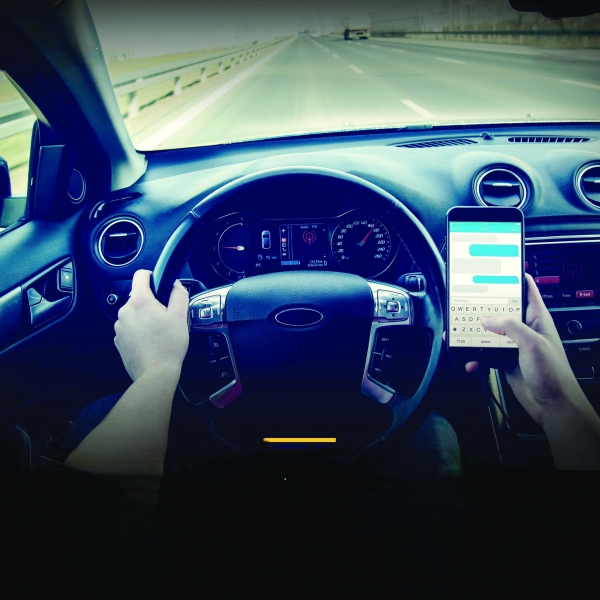
Royal Oman Police deployed AI-4D-radar cameras across highways and intersections since 2023, detecting speeding, mobile-phone use and seat-belt violations. Road accidents fell …
Muscat, Oman
Good practice
Evidence: Observational / pre–post
Top 46%60/100
Ecuador's SRI deploys Falcon, cross-referencing 400+ data types to assign each taxpayer a 0–1,000 risk score. In 2023 it identified 60,000 previously …
BPS (Statistics Indonesia) deployed generative AI to auto-classify 42 million business entities against the KBLI 2025 standard during the 2026 Economic Census, …
Saudi Ministry of Interior and SDAIA deploy Baseer (tracking 1M+ pilgrims/day via computer vision) and the biometric Makkah Route Initiative across 11 …
Makkah, Saudi Arabia
Good practice
Evidence: Observational / pre–post
Top 46%60/100
Since 2014 Denmark’s Skattestyrelsen has run a real-time ML system flagging suspicious VAT refund claims; it reports ~70% accuracy, is now integrated …
From 2022, Australia's ATO deployed ML to detect a large-scale GST refund fraud scheme: 57,000+ alleged offenders identified, A$2.7 billion in additional …
Canberra, Australia
Good practice
Evidence: Descriptive / self-reported
Top 68%56/100
A US$37.5m World Bank-backed programme (US$30m IDA grant plus US$7.5m private capital) is building climate-resilient internet, digital government and digital-skills training across …
Majuro, Marshall Islands
Good practice
Evidence: Observational / pre–post
Top 62%53/100
Chile's Judiciary built 'Justa,' an OpenAI-based tool that transcribes court hearings, drafts minutes and proposes rulings for uncontested cases. After winning OpenAI's …
Mulchén, Chile
Good practice
Evidence: Descriptive / self-reported
Top 62%53/100
Hong Kong's Digital Policy Office and the HKGAI research centre built HKPilot (document drafting/translation) and HKMeeting (AI minute-taking) for civil servants: participation …
Hong Kong, Hong Kong
Good practice
Evidence: Descriptive / self-reported
Top 62%53/100
Chile's Municipality of Renca launched Rencat, a 24/7 AI virtual assistant built by Argentine vendor BotMaker (creator of Buenos Aires' Boti), reaching …
Renca, Chile
Good practice
Evidence: Observational / pre–post
Top 62%53/100
In an April 2025 Staff Memo, Riksbank economists found random-forest and neural-network models measurably outperformed Sweden's traditional time-series forecasts for GDP and …
Bolivia's Ministry of Economy, backed by a US$100,000 IDB grant, built 'Lab-IA' for machine-learning nowcasting; a published study narrowed the country's GDP-reporting …
La Paz, Bolivia
Good practice
Evidence: Descriptive / self-reported
Top 62%53/100
Peru's planning body CEPLAN now uses AI to help draft technical foresight briefs for its National Foresight Observatory, under mandatory human review; …
Pulse Lab Jakarta, a joint Bappenas/UN Global Pulse facility, built a machine-learning model nowcasting Indonesian food prices from Twitter data, validated over …