Sociological research by Kyiv-Mohyla Academy (2015) documented women serving in combat roles without recognition, directly driving Ukraine's 2018 law opening 63 military …
Tanzania reserves ≥30% of National Assembly seats for women via party-proportional special seats. After 2020 elections women held 37.4%: 113 through the …
Uruguay's Law 19.580 (2017) defines 20+ GBV forms — including femicide, obstetric and digital violence. Creates a GBV Observatory and specialised courts. …
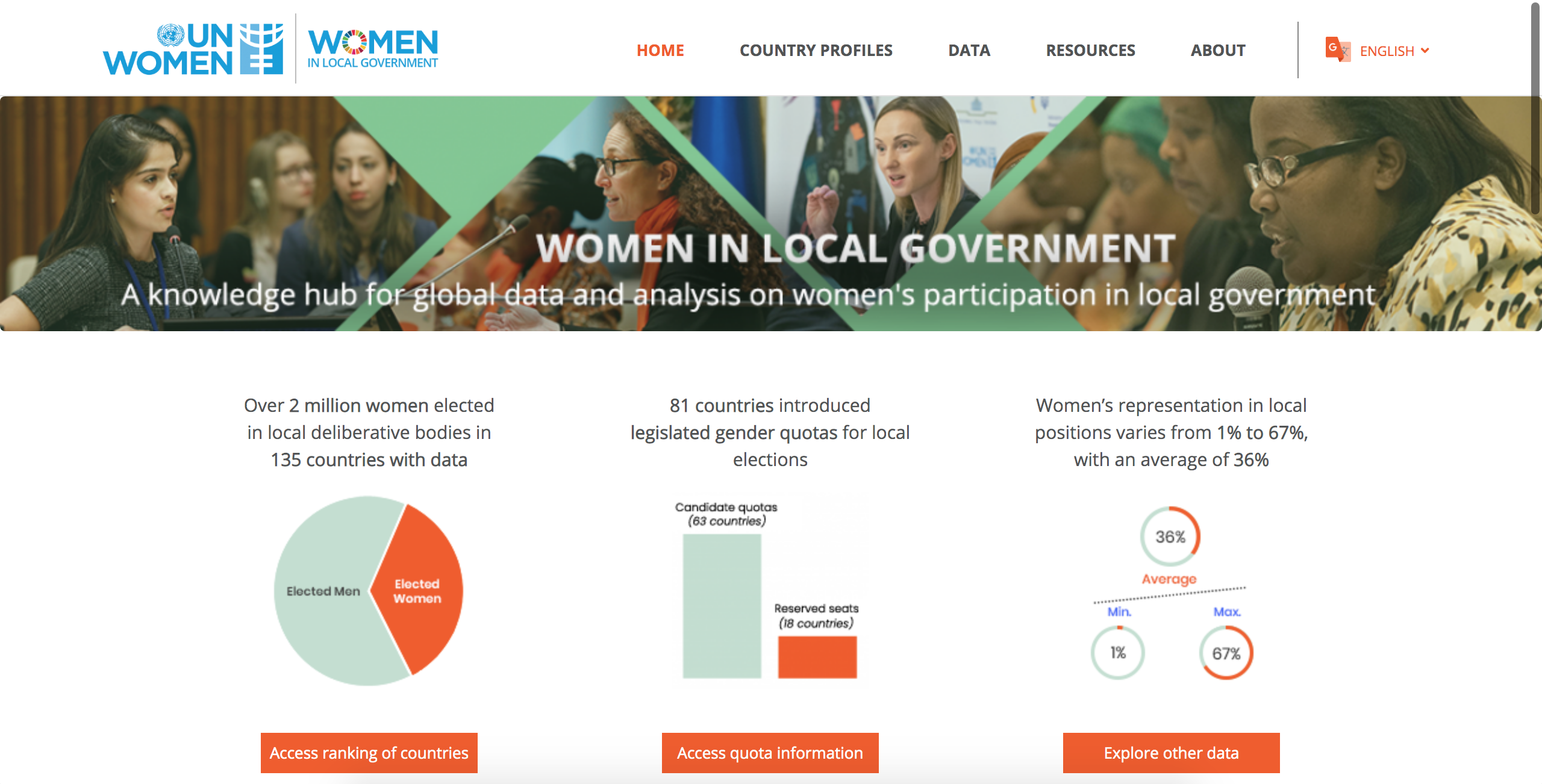
Nepal's 2015 Constitution mandated 40% women in all state organs; the 2017 local elections resulted in 14,352 women elected—40.96% of 35,041 representatives—making …
Kathmandu, Nepal
Good practice
Evidence: Observational / pre–post
Top 42%74/100
South Korea's rolling 5-year gender representation plans delivered measurable results: female Grade-4-plus civil servants rose from 15.6% (2018) to 30.8% (2023), exceeding …
Japan's Joseikatsu Act (2016) requires employers with 101+ staff to disclose gender workplace data and build action plans; 1,905 companies held Eruboshi …
Finland's education ministry and Opetushallitus published national AI recommendations (31 March 2025) after consulting 172 organisations and youth 'Digiraati' councils, covering legal …
Helsinki, Finland
Good practice
Evidence: Descriptive / self-reported
Top 6%73/100
Kazakhstan approved joint ministerial AI-in-education standards (2025–2029) on ethics, data protection and academic integrity for 4.1 million pupils; AI entered school subjects …
Astana, Kazakhstan
Good practice
Evidence: Descriptive / self-reported
Top 6%73/100
From April 2022, Japan's MEXT made "Information I" mandatory for all ~3M high school students—covering programming, data analysis, networks and AI; the …
Tokyo, Japan
Good practice
Evidence: Observational / pre–post
Top 45%70/100
A 2013 constitutional amendment guarantees Samoa's Legislative Assembly a minimum of 10% women members. First applied in 2016, it lifted women's seats …
Apia, Samoa
Good practice
Evidence: Observational / pre–post
Top 45%70/100
South Korea criminalized possession of illegal sexual footage and deepfake sex content after the 2020 "Nth Room" scandal, and expanded a victim-support …
Seoul, South Korea
Good practice
Evidence: Descriptive / self-reported
Top 45%70/100
Kuwait's UNDP-backed digital accessibility framework set WCAG-based e-government standards from 2018, but a 2023 peer-reviewed study found 77% of IT staff had …
Kuwait City, Kuwait
Good practice
Evidence: Descriptive / self-reported
Top 32%67/100
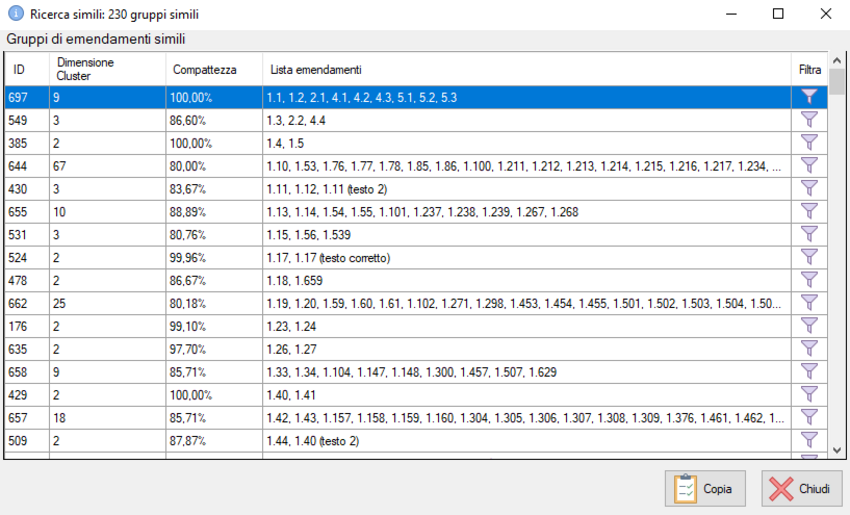
The Italian Senate uses Similis, an NLP tool built with CNR, to automatically cluster near-identical amendments filed en masse during filibusters. Presented …
Rome, Italy
Good practice
Evidence: Observational / pre–post
Top 32%67/100
LLaMandement is DGFiP's fine-tuned Llama 2 model that classifies and summarises amendments to France's annual Finance Bill. Officials report it cuts amendment-processing …
Portugal's National Education Council published Recommendation 4/2026 in May 2026, mandating AI literacy from primary school, an independent education AI observatory, and …