DepEd's ARAL programme uses Microsoft Reading Progress to automate reading-fluency assessments; a Cabanatuan pilot reduced at-risk readers from 14 to 0, assessment …
Quezon City, Philippines
Good practice
Evidence: Quasi-experimental
Top 14%67/100
Portugal's National Education Council published Recommendation 4/2026 in May 2026, mandating AI literacy from primary school, an independent education AI observatory, and …
Microsoft Research India tool, co-designed with Sikshana Foundation, cut lesson-planning time from 60–90 min to 60–90 sec for 1,043 Karnataka public school …
Bengaluru, India
Good practice
Evidence: Quasi-experimental
Top 14%67/100
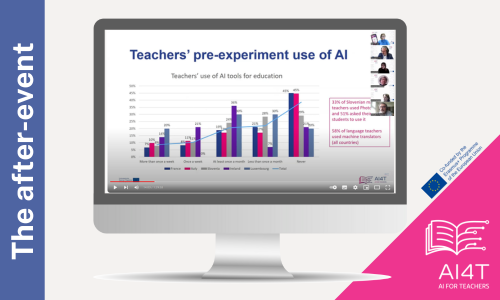
Erasmus+ project (2021–2024) training 1,005 secondary teachers in France, Slovenia, Italy, Ireland and Luxembourg to integrate AI into Maths, Languages and Science; …
Paris, France
Good practice
Evidence: Descriptive / self-reported
Top 14%67/100
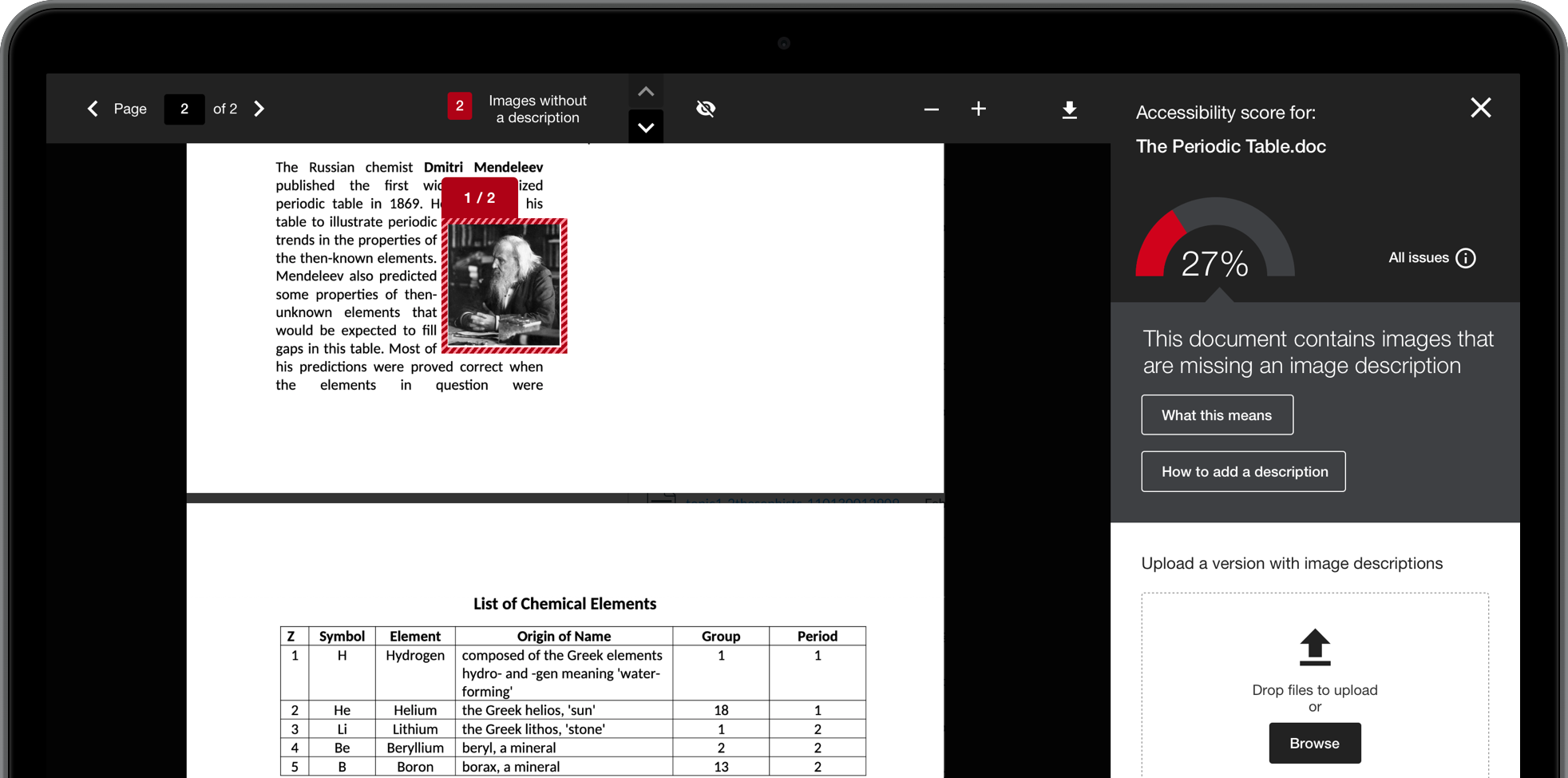
AI service embedded in learning management systems that auto-generates accessible alternative formats (audio, ePub, HTML, Braille-ready) for all course materials; 2,000+ institutions …
Uruguay’s Plan Ceibal deploys PAM, an AI-driven adaptive maths platform, to 100% of public schools (3,038 institutions, 733,000 students). An independent evaluation …
Montevideo, Uruguay
Good practice
Evidence: Quasi-experimental
Top 14%67/100
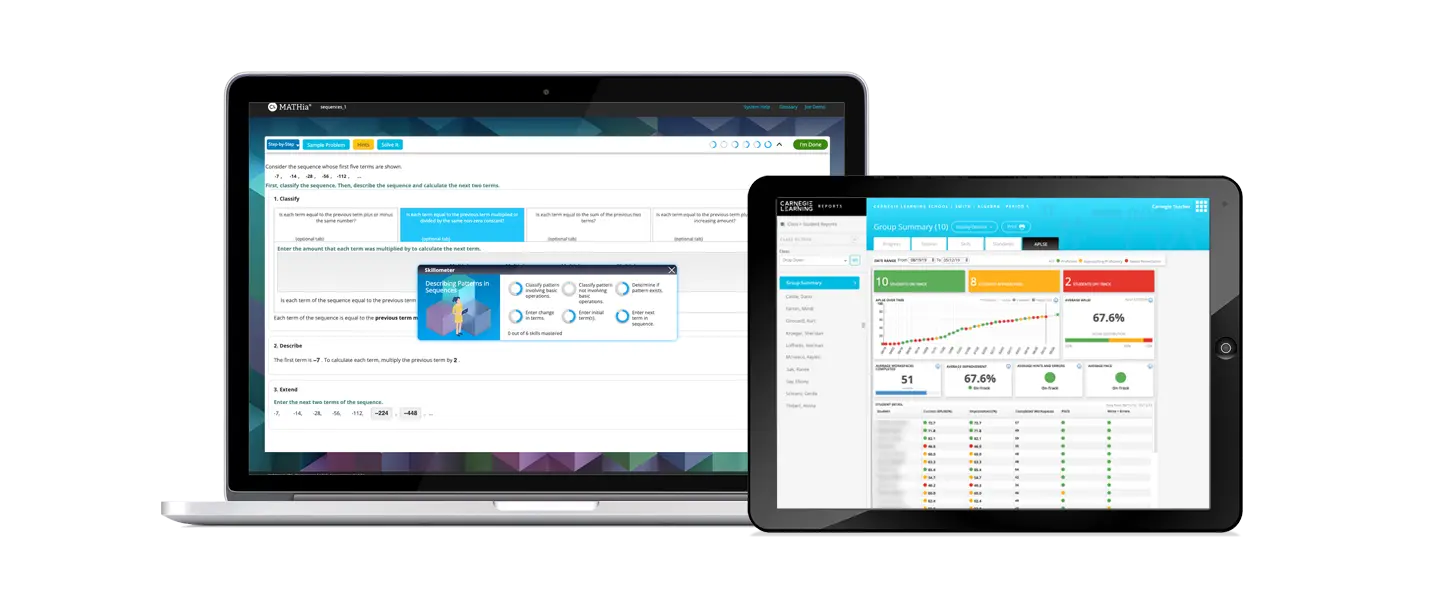
A maths intelligent tutoring system rooted in decades of Carnegie Mellon cognitive-science research; the US What Works Clearinghouse rates its effects as …
Pittsburgh, United States of America
Good practice
Evidence: Descriptive / self-reported
Top 14%67/100
The world's largest language app (40M+ daily users) uses AI to personalise practice and, via Duolingo Max, GPT-powered roleplay and feedback; efficacy …
Pittsburgh, United States of America
Good practice
Evidence: Quasi-experimental
Top 24%60/100
A 13-week study across four Hungarian universities gave disadvantaged students an AI adaptive programming tutor built on ChatGPT and Bayesian Knowledge Tracing. …
Dunaújváros, Hungary
Good practice
Evidence: Descriptive / self-reported
Top 24%60/100
Facing 15-20% AI-cheating rates on some take-home work, one NZ school reverted to hand-written, supervised assessment; detection reportedly fell to ~5%. NZQA …
Wellington, New Zealand
Good practice
Evidence: Quasi-experimental
Top 24%60/100
Slovenia's EU-funded Gen-UI project, led by 10 institutions, produced the country's first systematic study of generative-AI use in schools. A March 2026 …
Ljubljana, Slovenia
Good practice
Evidence: Descriptive / self-reported
Top 24%60/100
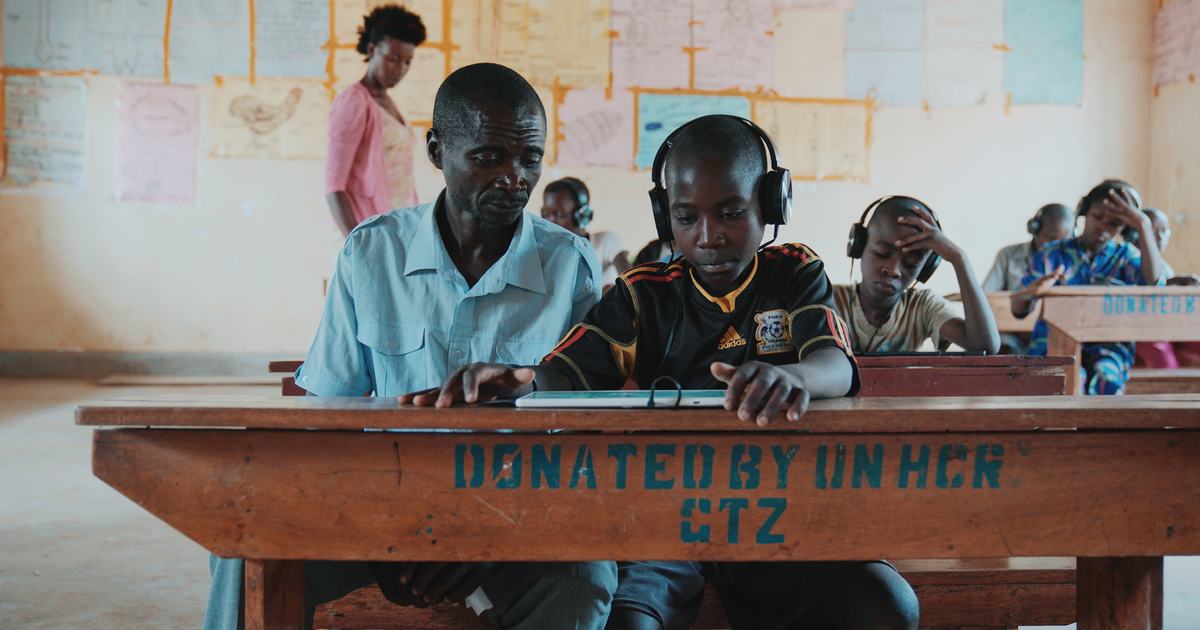
An 18-month cluster-randomised trial across 30 primary schools and 1,507 children in Uganda's Isingiro District tested the adaptive tablet game Can't Wait …
Isingiro, Uganda
Good practice
Evidence: Quasi-experimental
Top 24%60/100
Livox, an AI-adaptive augmentative-communication app built by a father for his daughter with cerebral palsy, was formally adopted into Recife's public schools …
Recife, Brazil
Good practice
Evidence: Quasi-experimental
Top 24%60/100
A quasi-experimental study at a private Kazakhstani university gave 134 trainee English teachers either AI feedback (Cambridge's Write & Improve) or teacher …
Almaty, Kazakhstan
Good practice
Evidence: Descriptive / self-reported
Top 24%60/100
A UNICEF-backed control-group study of Eduten's AI maths platform found an 11-point numeracy gain and 4.6-point arithmetic-fluency boost after one weekly lesson …