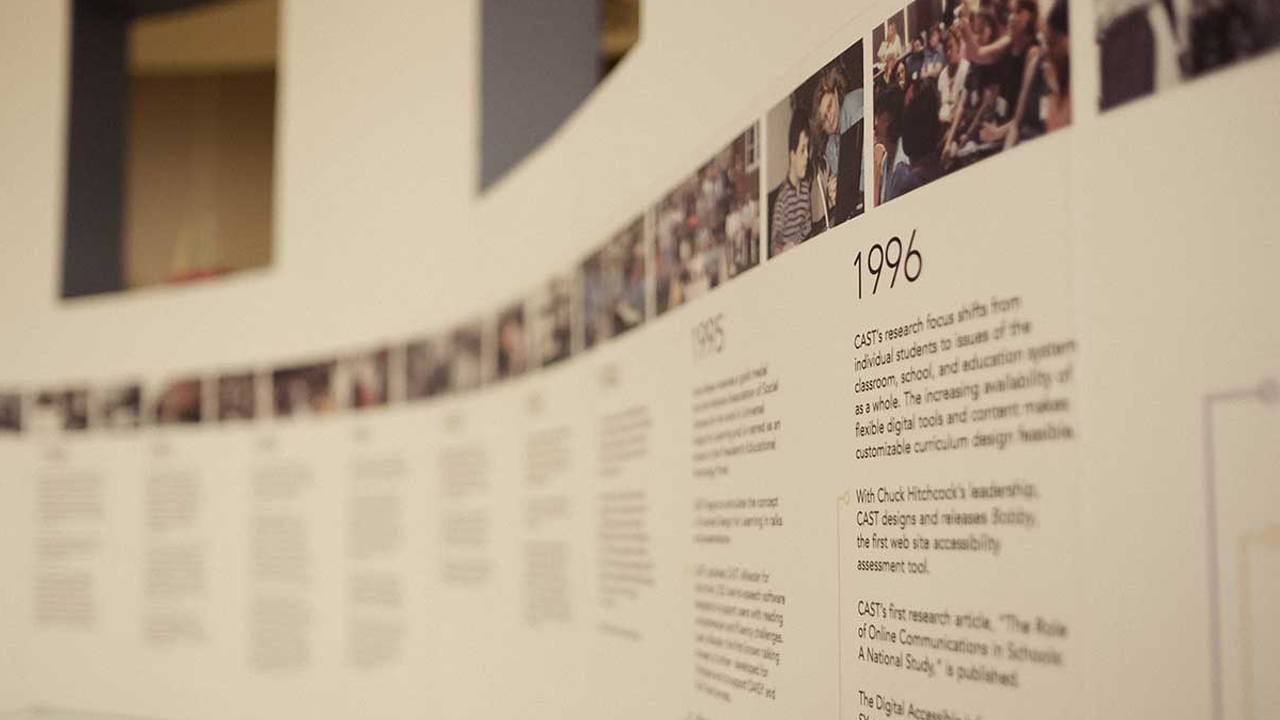
CAST's Universal Design for Learning framework asks designers to build multiple means of engagement, representation and expression into digital curricula from the …
Wakefield, United States of America
Good practice
Evidence: Observational / pre–post
Top 10%96/100
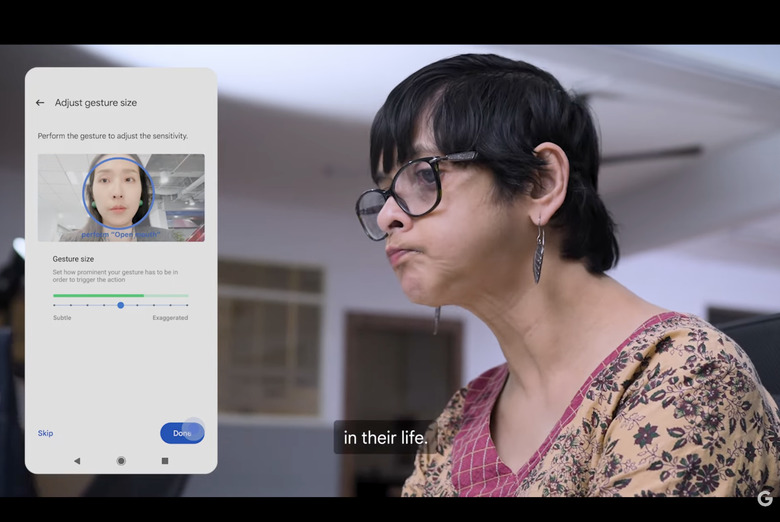
Google Research trains speech-recognition models to understand atypical speech (ALS/MND, dysarthria, Down syndrome, stuttering) using samples donated by people with impaired speech, …
Mountain View, United States of America
Good practice
Evidence: Descriptive / self-reported
Top 10%96/100
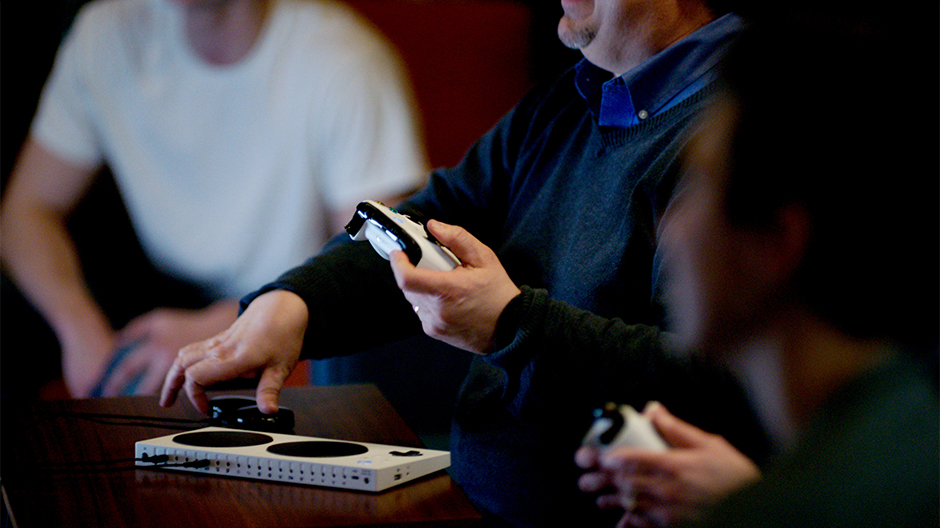
Microsoft co-designed the Xbox Adaptive Controller with five disability nonprofits, giving gamers limited mobility a modular base with 19 ports. Launched 2018 …
Since 2010, The Last Mile has taught incarcerated Californians offline software engineering despite no prison internet. Now in 16 facilities across 7 …
Launched Feb 2019: free Android captioning for deaf and hard-of-hearing users, shaped by Gallaudet user research (loudness indicator, minimal confidence cues). 70+ …
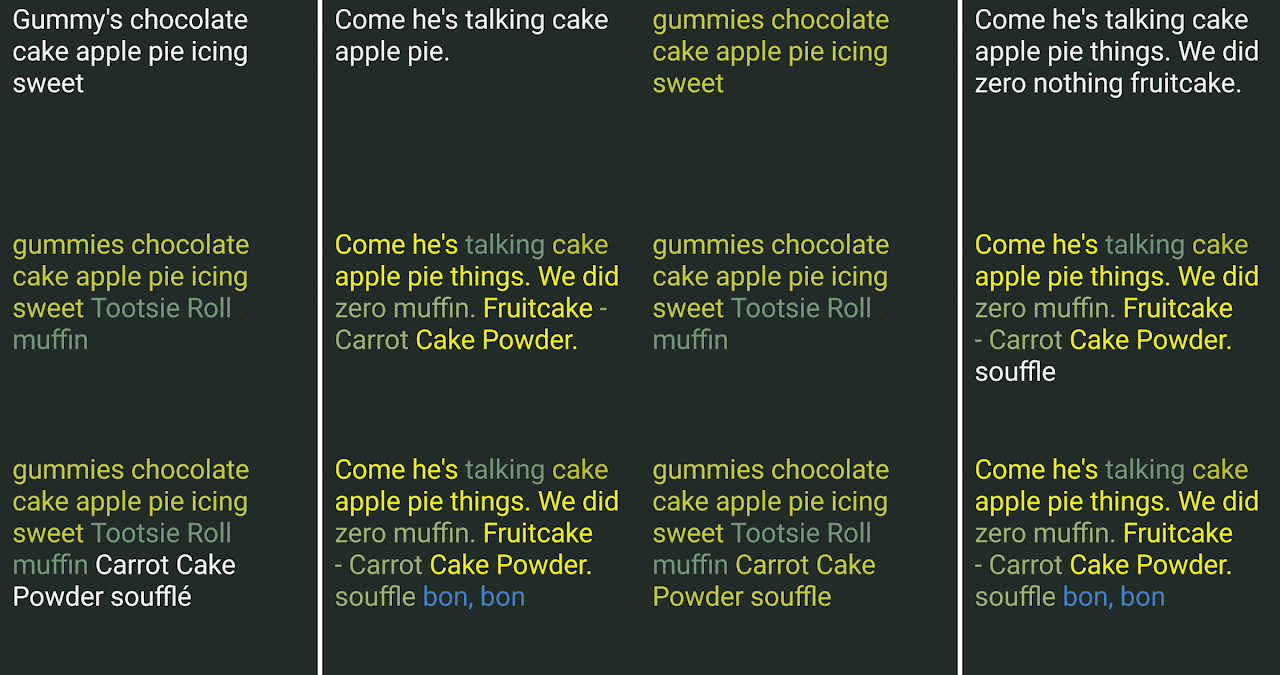
Microsoft's free Immersive Reader applies specific, peer-reviewed reading-science findings — on font spacing, syllable breaks, line length and text-to-speech — to help …
Redmond, United States of America
Good practice
Evidence: Descriptive / self-reported
Top 24%92/100
The US Veterans Health Administration's Digital Divide Consult (2020) standardises referrals for free loaned tablets and data. A 2024 cohort study found …
GSA's FY24 Section 508 assessment collected self-reported answers from 245 federal entities. Only about 23% of top public websites fully conformed, and …
Washington, DC, United States of America
Good practice
Evidence: Quasi-experimental
Top 30%88/100
OATS from AARP's Senior Planet ran twice-weekly Zoom digital-skills classes for low-income NYC public-housing seniors. An evaluation with a comparison group found …
New York City, United States of America
Good practice
Evidence: Descriptive / self-reported
Top 30%88/100
In 2025 the FTC fined accessibility-overlay vendor accessiBe $1M for falsely claiming its AI widget made websites WCAG-compliant, and for disguising paid …
UIUC-led, with five tech firms and advocacy groups, SAP collects consented speech from people with disabilities. Fine-tuning on 151 hours of Parkinson's …
Mozilla's CC0 crowdsourced speech corpus, launched in 2017, lets volunteers record and validate sentences so under-resourced languages can get speech technology; the …
Sony spent five years co-designing the Access controller with AbleGamers, Stack-Up and SpecialEffect and disabled gamers themselves, producing a modular, table- or …