Cambodia's largest REDD+ project has generated 27.6 million tonnes of Verra-verified avoided emissions across 465,000 ha of the Cardamom Mountains, but was …
Koh Kong, Cambodia
Good practice
Evidence: Observational / pre–post
Top 80%33/100
Rwanda's Water Resources Board ran a Rwf22bn (~$24M) cash-for-work programme (2019–2023) building terraces across the 286km² Sebeya catchment: erosion fell ~90%, potato …
Rubavu, Rwanda
Good practice
Evidence: Descriptive / self-reported
Top 80%33/100
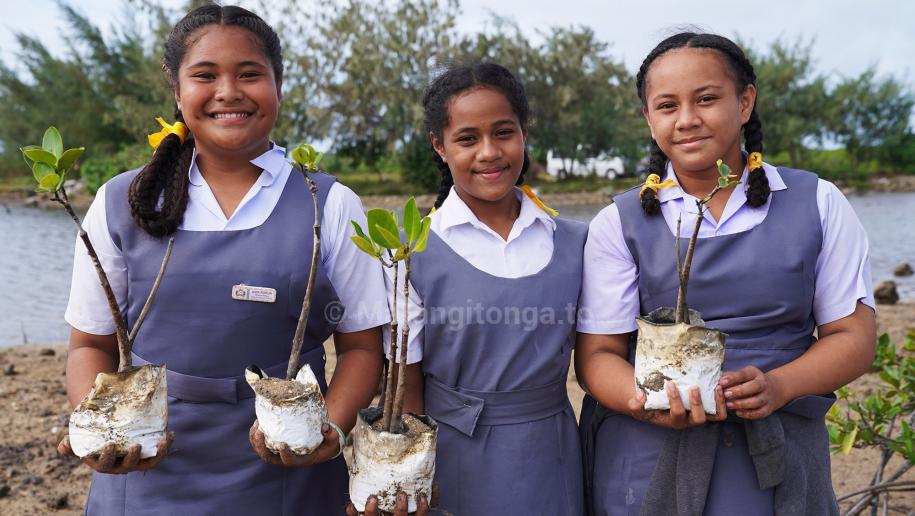
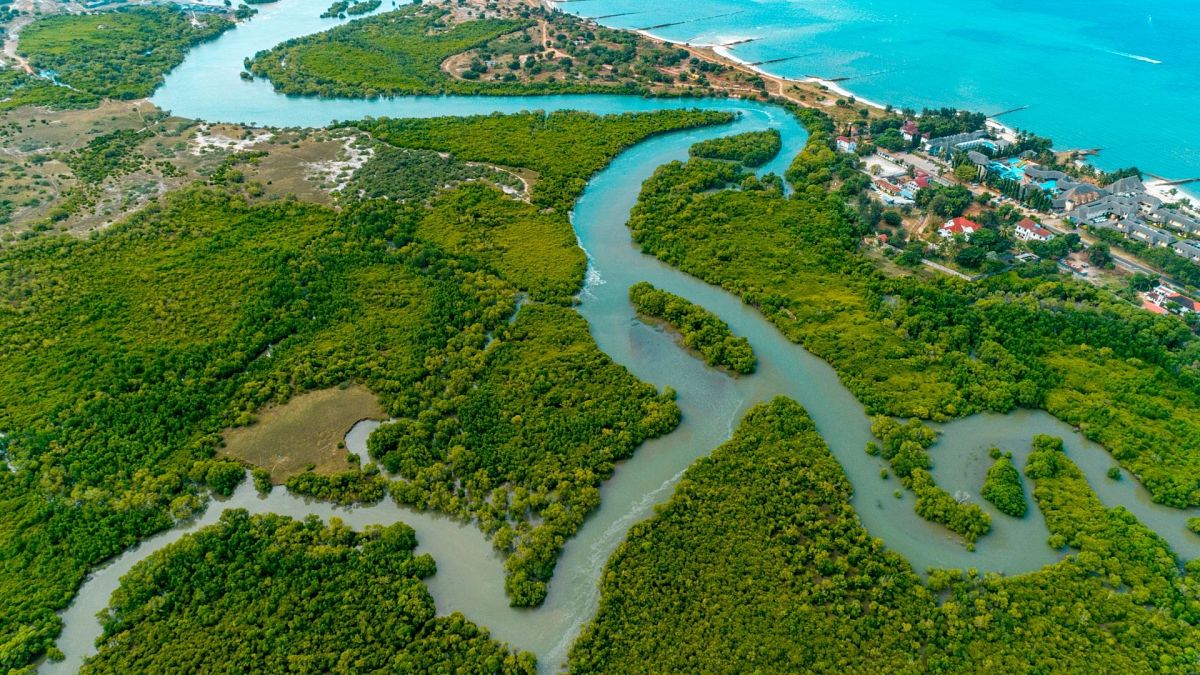
Tonga's GEF/UNDP-funded Ridge to Reef programme has directed USD 570,000 to 33 communities across Tongatapu and Vava'u, financing mangrove nurseries aiming to …
Nuku'alofa, Tonga
Good practice
Evidence: Observational / pre–post
Top 80%33/100
Ljubljana's decade-long municipal spatial-planning shift converted derelict rail and river land into parks, expanded its pedestrian zone by 117% (2002–2013), and designated …
Ljubljana, Slovenia
Good practice
Evidence: Descriptive / self-reported
Top 80%33/100
Nepal channels 12% of Kulekhani hydropower royalties to Makwanpur district, split 50/50 between upstream and downstream communities — a long-running PES-like scheme, …
Since 2017, California's CDFA has issued $105M+ in grants for 1,500+ farm projects using compost, cover crops and reduced tillage. Modelled reductions …
Sacramento, United States of America
Good practice
Evidence: Descriptive / self-reported
Top 80%33/100
Chulalongkorn University's 4.5-hectare Centenary Park uses a tilted green roof, wetlands and underground cisterns to retain up to 3.8 million litres of …
Bangkok, Thailand
Good practice
Evidence: Observational / pre–post
Top 80%33/100
A 2001-2005 EU LIFE-Nature project paid Tisza-valley farmers near Szolnok, Hungary to graze traditional cattle on restored wet meadows, reconnecting gravel pits …
Szolnok, Hungary
Good practice
Evidence: Descriptive / self-reported
Top 80%33/100
GEF/UNDP-funded six-year programme run by Eswatini's National Trust Commission raised national protected-area coverage from 3.9% to 5.2% by paying grants of E200,000–E270,000 …
Siteki, Eswatini
Good practice
Evidence: Randomised controlled trial
Top 80%33/100
A randomised-trial payment scheme paid 1,450-2,800 Shire River Basin smallholders per season to adopt conservation agriculture, testing whether hydropower-linked avoided-sediment payments work; …
Balaka, Malawi
Good practice
Evidence: Observational / pre–post
Top 80%33/100
The world's largest rodent-eradication project cleared brown rats and mice from over 100,000 ha of sub-Antarctic South Georgia between 2011 and 2015, …
Grytviken, South Georgia and the South Sandwich Islands
Good practice
Evidence: Observational / pre–post
Top 80%33/100
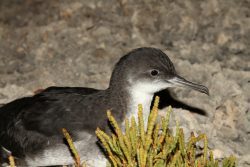
Madeira's Natural Park removed European rabbits and house mice from the 270 ha Selvagem Grande island using ~17,000 brodifacoum bait points, eliminating …
Selvagem Grande, Portugal
Good practice
Evidence: Descriptive / self-reported
Top 80%33/100
Since 1973 the Ikalahan people of Nueva Vizcaya, Philippines have self-governed a forest reserve under one of the country's earliest ancestral-domain titles; …
Santa Fe, Philippines
Good practice
Evidence: Quasi-experimental
Top 80%33/100
St Lucia's Soufrière Marine Management Area (est. 1994/95) is a self-financing, multi-zoned reserve network. Studies found fish biomass quadrupled in its no-take …
Soufrière, Saint Lucia
Good practice
Evidence: Observational / pre–post
Top 80%33/100
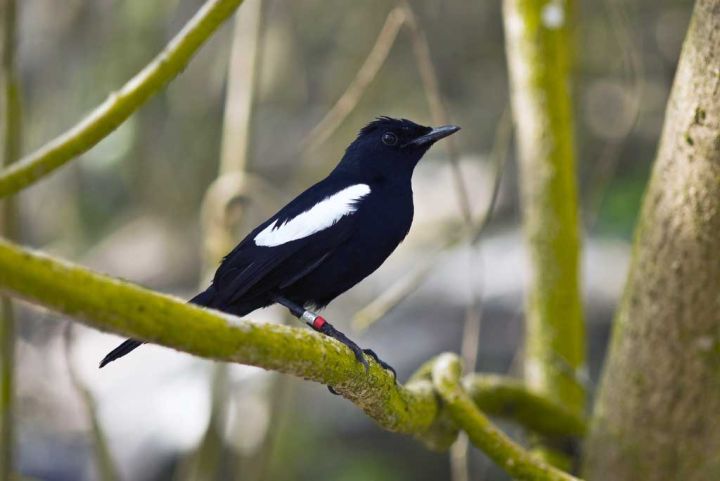
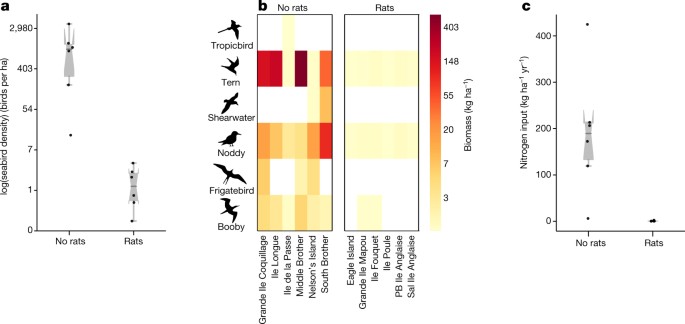
Since 1990, BirdLife International and Nature Seychelles eradicated rats and cats and moved the Seychelles magpie-robin to four more islands, growing the …
Victoria, Seychelles
Good practice
Evidence: Quasi-experimental
Top 80%33/100
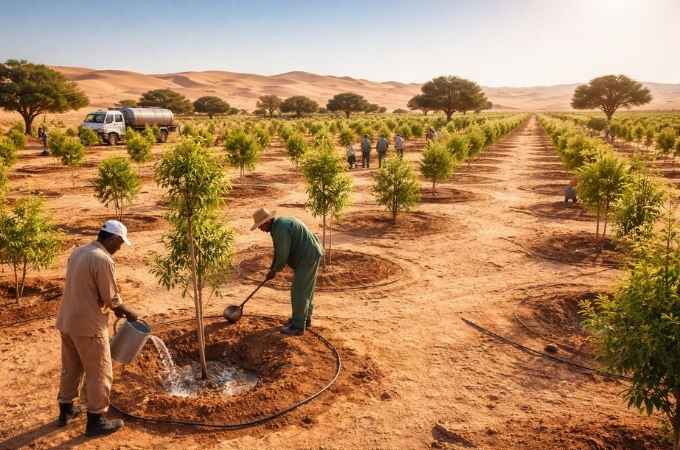
Algeria's Barrage Vert (1971-) afforestation belt reports conflicting outcomes: FAO cites ~75% survival, an independent study found ~42%, and a Djelfa remote-sensing …