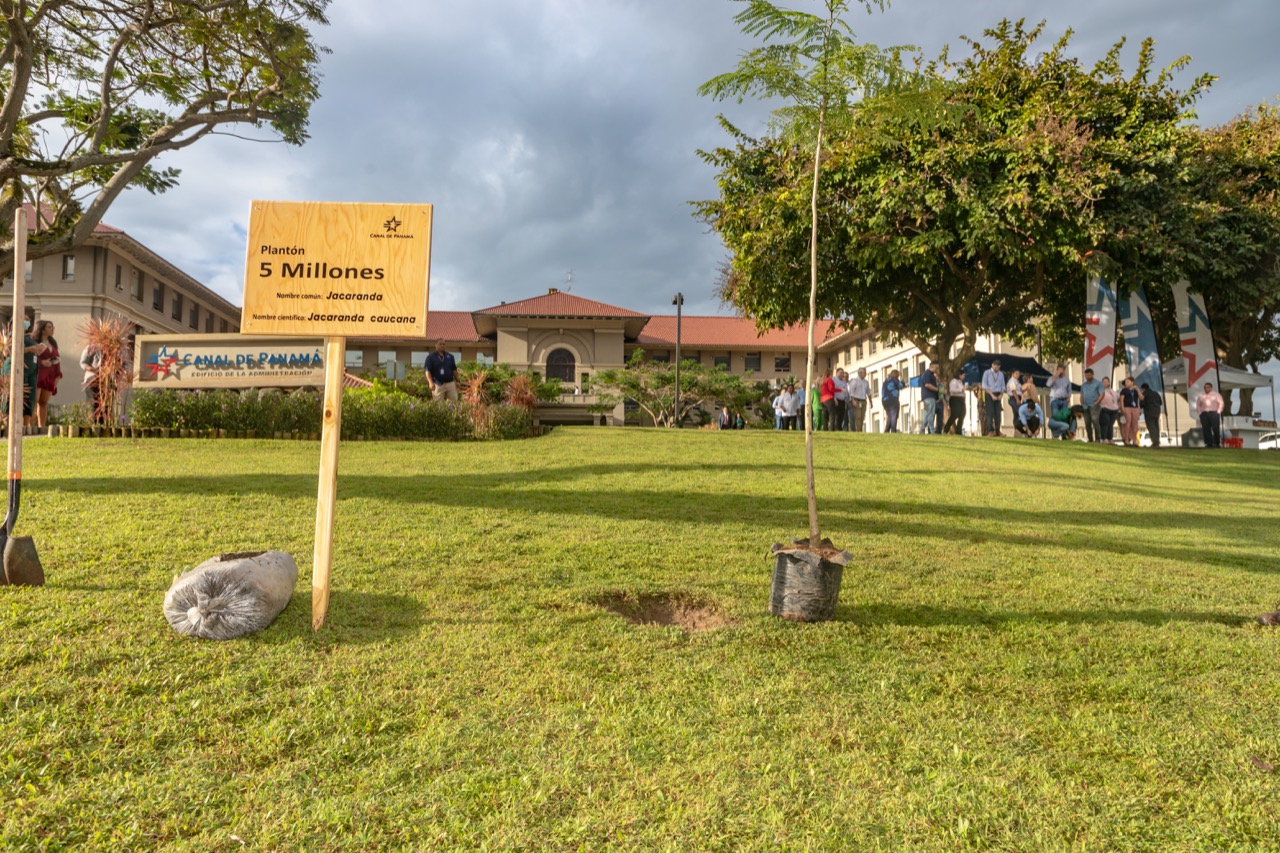
Panama Canal Authority pays landowners flat annual fees to restore forest in the 342,000-ha Canal watershed: 10,846 ha reforested (3,650 ha agroforestry, …
World's first peatland-rewetting carbon standard, launched 2011 in Mecklenburg-Vorpommern. MoorFutures certificates (EUR 30-123/tCO2e) fund bog rewetting across four German states; over 50,000 …
Finland's voluntary PES programme paying private landowners to conserve biodiversity-rich forests in Southern Finland. Over 96,000 ha permanently or durably protected; €46M …
Helsinki, Finland
Good practice
Evidence: Observational / pre–post
Top 27%53/100
Colombia's national voluntary PES marketplace: private companies and public entities compensate their ecological footprint by paying >13,000 rural and indigenous families to …
Medellin, Colombia
Good practice
Evidence: Descriptive / self-reported
Top 27%53/100
Since February 2024, most development in England must deliver a measurable 10% biodiversity net gain in standardised biodiversity units — a statutory …
Independently audited by SGS, Sanpellegrino's Ruspino bottling plant achieved AWS Core Certification in 2020 for its stewardship of the San Pellegrino, Limpia …
San Pellegrino Terme, Italy
Good practice
Evidence: Observational / pre–post
Top 40%47/100
Brazil's pioneering Water Producer scheme, piloted 2008–2015 in São Paulo's Cantareira system, signed 41 PES contracts covering 342 hectares of forest restoration …
Nazaré Paulista, Brazil
Good practice
Evidence: Observational / pre–post
Top 40%47/100
A 10-year, NZ$20 million partnership (2013-2023) between dairy co-operative Fonterra and New Zealand's Department of Conservation enhanced 5,213 ha across 5 priority …
Hamilton, New Zealand
Good practice
Evidence: Observational / pre–post
Top 40%47/100
Vietnam earned US$51.5M from the World Bank's Forest Carbon Partnership Facility for 10.3 million tonnes of verified forest-based emission reductions (2018-2019) across …
Vinh, Vietnam
Good practice
Evidence: Observational / pre–post
Top 40%47/100
Pau Costa Foundation pays Girona-province shepherds EUR140/ha in strategic zones and EUR70/ha elsewhere to graze livestock as wildfire fuel-break management; peer-reviewed 5-year …
Girona, Spain
Good practice
Evidence: Descriptive / self-reported
Top 40%47/100
Since 1986 Minnesota has paid landowners a one-time fee for easements retiring marginal cropland, wetlands and prairie. State agency BWSR reports over …
Guatemala's first legally established water fund (2017) pools Coca-Cola, PepsiCo and public funding to restore forest in the Xayá-Pixcaya watershed feeding Guatemala …
Guatemala City, Guatemala
Good practice
Evidence: Descriptive / self-reported
Top 40%47/100
Colombia's Decreto-Ley 870/2017 created a national legal framework paying landowners to conserve páramos, forests and wetlands; by 2024 government figures reported ~743,000 …
Bogotá, Colombia
Good practice
Evidence: Descriptive / self-reported
Top 40%47/100
Under a September 2023 decree enabling voluntary ecological compensation, Finland recorded one of its first private biodiversity-credit deals in March 2026: retailer …
Slovakia's 2023-2027 CAP Strategic Plan pays farmers via the Agri-Environment-Climate Measure (AEKO) and a companion eco-scheme for grassland, organic and biodiversity commitments …
Bratislava, Slovakia
Good practice
Evidence: Descriptive / self-reported
Top 40%47/100
Germany's Federal Nature Conservation Act (BNatSchG) has required biodiversity offsetting since 1976. Eco-Accounts allow landowners to pre-register habitat improvements as tradable credits …