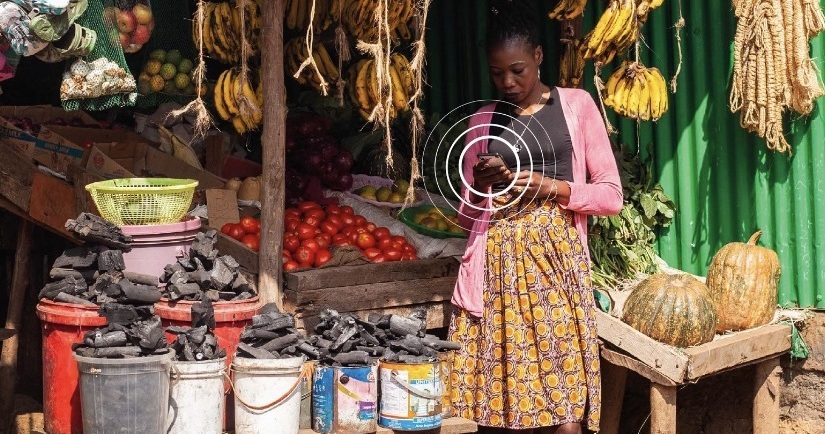
Togo built a fully digital, mobile-money cash-transfer system using satellite imagery and phone data to target its poorest citizens during COVID-19, then …
Zambia's GEWEL programme (World Bank/GoZ) delivers livelihood packages to poor rural women and school stipends to vulnerable girls. By end-2024: 139,351 women …
Pakistan’s BISP pays quarterly grants to >6.1 million female household heads across 149 districts. Oxford Policy Management’s evaluation (2010–2017) found poverty fell …
Islamabad, Pakistan
Good practice
Evidence: Quasi-experimental
Top 9%96/100
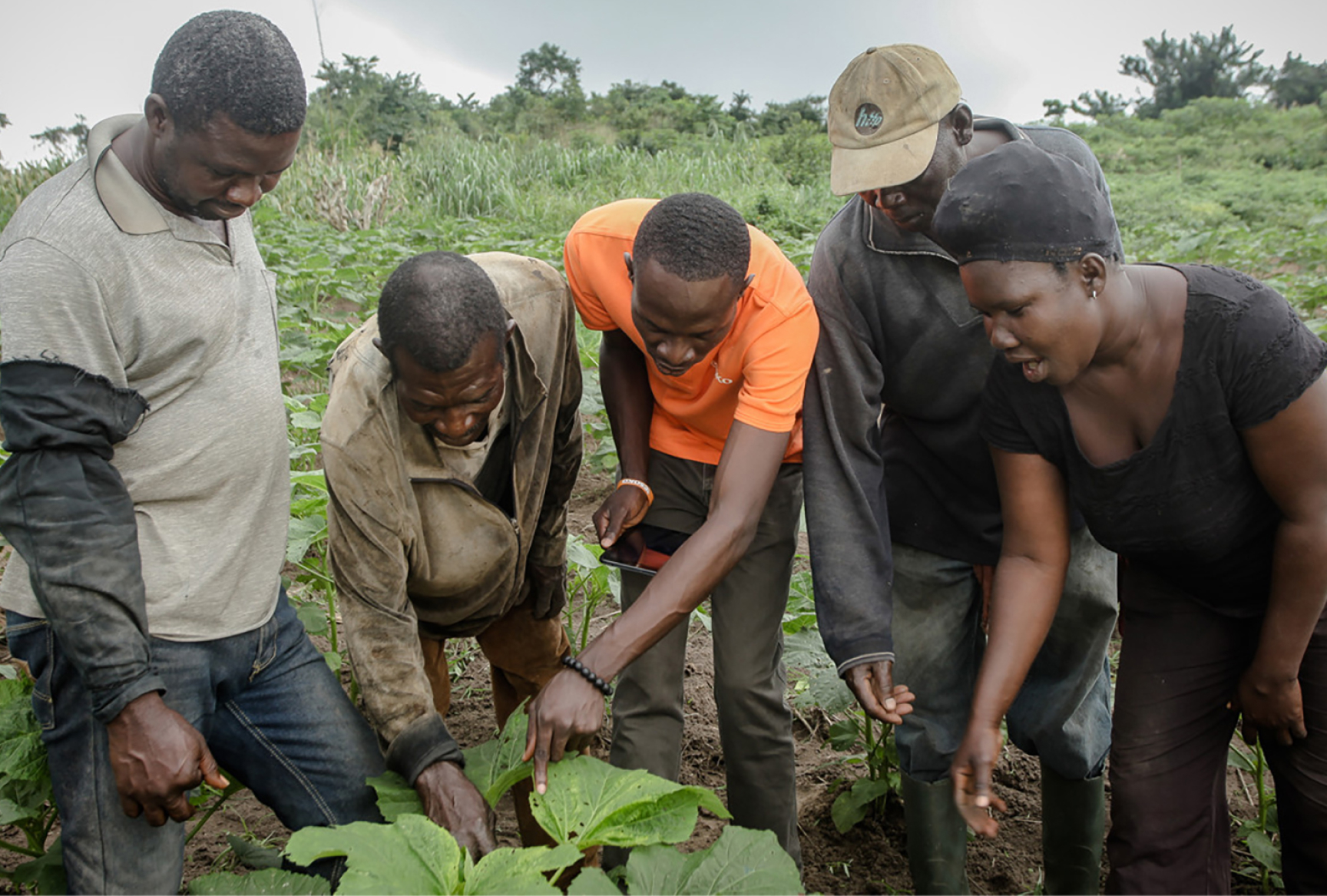
Since 2008, Digital Green has trained community mediators to produce and screen localised farming videos, reaching 2.3 million+ farmers across 10 countries …
Bengaluru, India
Good practice
Evidence: Observational / pre–post
Top 24%92/100
Farmerline's voice-first Mergdata platform delivers weather, market-price and agronomic advice plus digital credit to over 2 million smallholder farmers in 50 countries; …
Kumasi, Ghana
Good practice
Evidence: Quasi-experimental
Top 24%92/100
Esoko delivers SMS/voice crop-price, weather and agronomic advice to smallholder farmers across Africa; independent research found Ghanaian users earned about 10% more …
Accra, Ghana
Good practice
Evidence: Observational / pre–post
Top 24%92/100
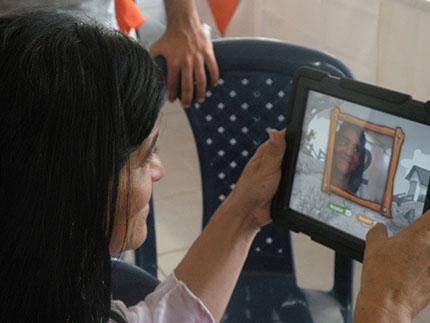
LISTA, Fundación Capital's tablet financial-education app for Colombia's cash-transfer recipients, joined national policy in 2015. A randomised trial of 3,000 women found …
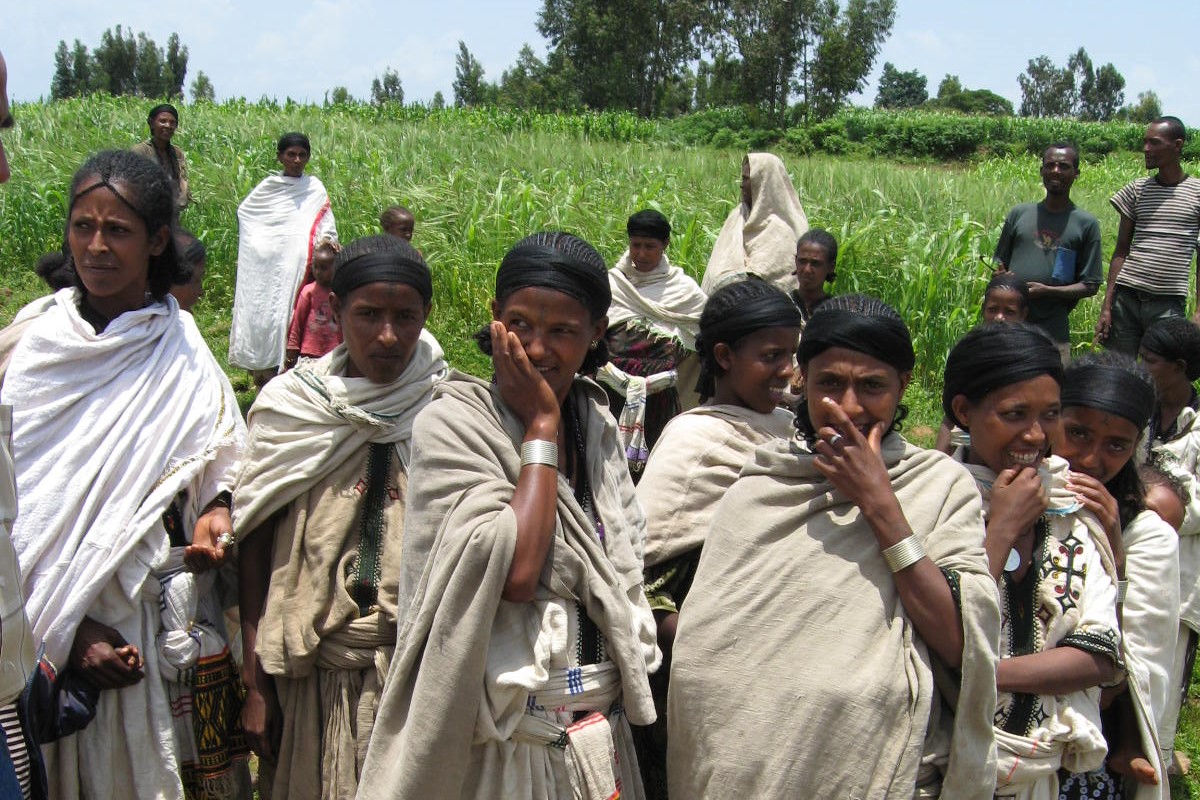
Two-year pilot in Amhara, Ethiopia (2004–2006) combining a conditional goat transfer for unmarried girls in school, safe-space mentoring and SRH education. Girls …
Bahir Dar, Ethiopia
Good practice
Evidence: Observational / pre–post
Top 12%80/100
Azerbaijan's State Social Protection Fund uses AI-based data matching across 15+ agencies to proactively identify and enrol eligible citizens in welfare benefits. …
Baku, Azerbaijan
Good practice
Evidence: Observational / pre–post
Top 12%80/100
Kazakhstan's Digital Family Card uses predictive scoring across 100+ socio-economic indicators from 20+ agencies to proactively identify and serve vulnerable families. Since …
Astana, Kazakhstan
Good practice
Evidence: Observational / pre–post
Top 22%73/100
Chile's RSH algorithm classifies 8.99 million households (85.6 % of the population) into socioeconomic tiers that gate access to all means-tested state …
Pakistan's BISP operates a 35-million-household registry using Proxy Means Test scoring cross-referenced with NADRA biometric data to identify the poor; 15 million …
India's DAY-NRLM sub-scheme has sanctioned 84 projects across 24 states, targeting 3 million+ women farmers. A Nielsen study found 1.3x higher agricultural …
New Delhi, India
Good practice
Evidence: Observational / pre–post
Top 46%60/100
Senegal's DGPSN uses a proxy-means-test score from the Registre National Unique to target Family Security Grants, reaching 355,013 beneficiaries in Q1 2026 …
Dakar, Senegal
Good practice
Evidence: Observational / pre–post
Top 46%60/100
Vietnam's VNeID uses AI facial-recognition and data-matching to verify identity and route welfare payments: 83.5 million accounts, 2.1 billion transactions, and 2.5 …