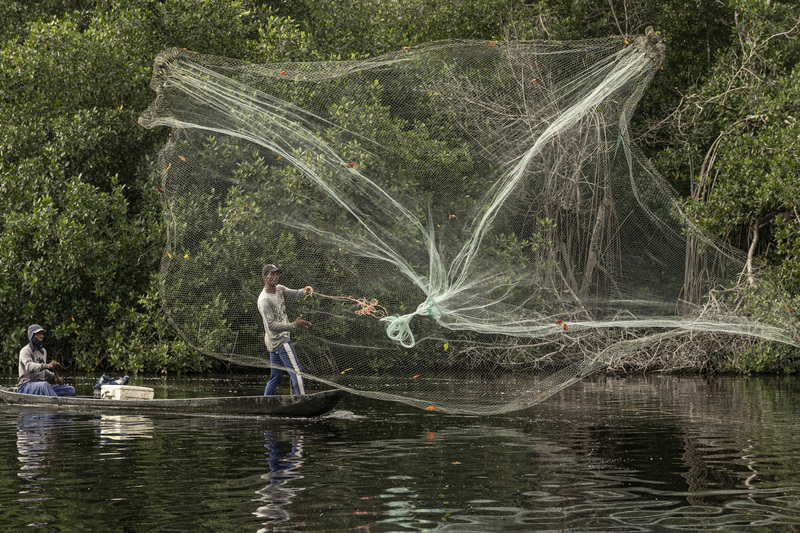
Conservation International and Colombian partners' Vida Manglar project protects and restores mangroves across Cispatá Bay, scaling from 7,500 to 11,000 hectares; the …
South Korea's MFDS built SAFE-i24, an automated electronic document-screening system for imports of low-risk, repeat food shipments. Piloted in 2022–2023, a 2024 …
Cheongju, South Korea
Good practice
Evidence: Descriptive / self-reported
Top 46%60/100
Guyana and Canada fund GOAL and Toronto Metropolitan University to train 2,000 young Guyanese as full-stack developers using AI-assisted coding tools; the …
Georgetown, Guyana
Good practice
Evidence: Observational / pre–post
Top 46%60/100
Junior Achievement Romania's AI-ENTR4YOUTH track, funded by EIT Food's Deep Tech Talent Initiative, taught 4,800+ high-schoolers in 2024/2025 to build AI prototypes …
Bucharest, Romania
Good practice
Evidence: Observational / pre–post
Top 46%60/100
Sweden's data-protection authority ran a 2023 sandbox pilot with Stockholm's Traffic Office, testing whether LiDAR sensors counting women, men and children in …
Stockholm, Sweden
Good practice
Evidence: Descriptive / self-reported
Top 46%60/100
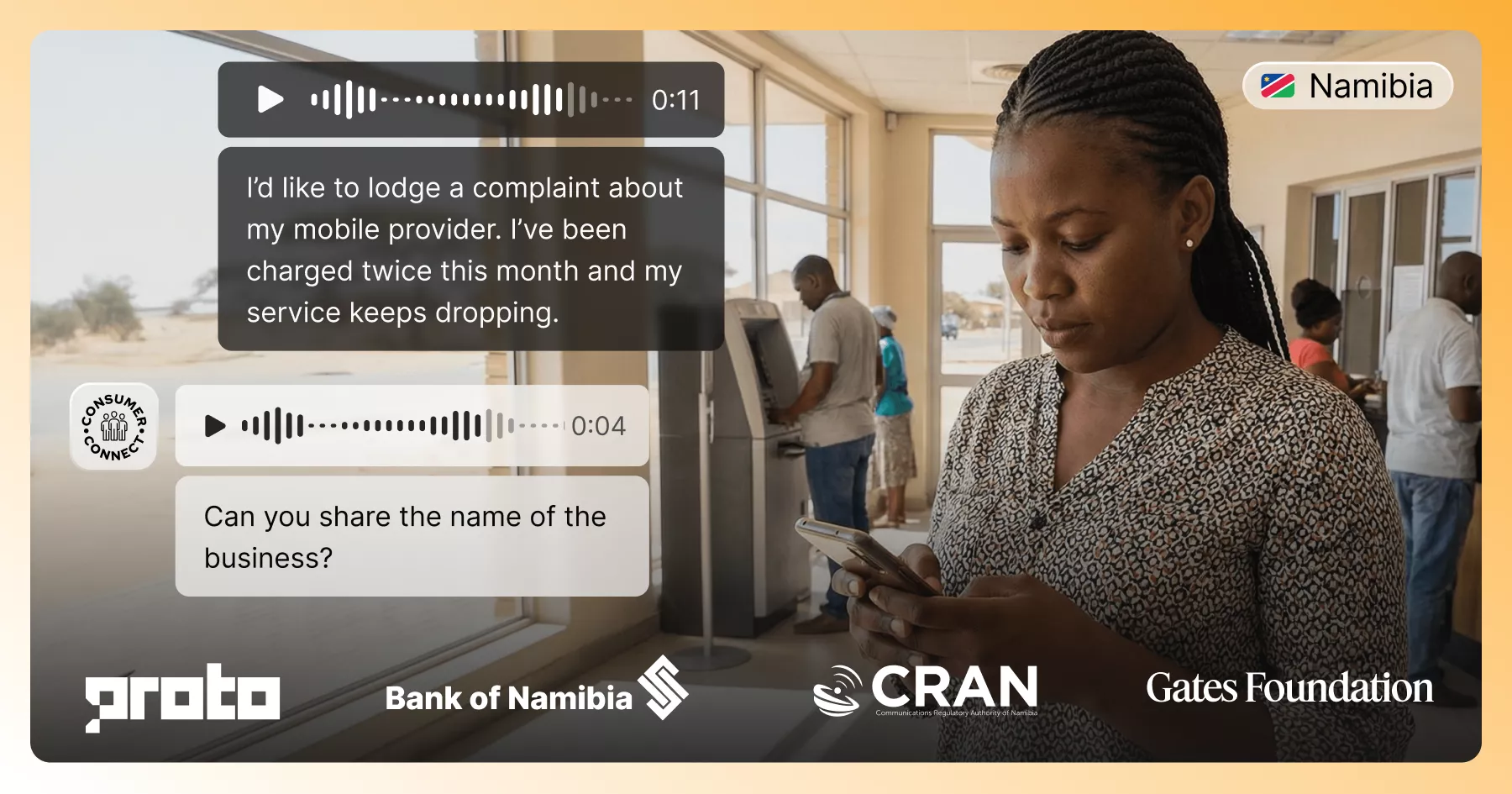
The Bank of Namibia, NAMFISA and CRAN launched ConsumerConnect, a Gates Foundation-funded AI agent platform that lets citizens file banking, insurance and …
Windhoek, Namibia
Good practice
Evidence: Descriptive / self-reported
Top 46%60/100
Established January 2022 under Sweden's Ministry of Defence, the Psychological Defence Agency (MPF) tracks foreign influence operations and builds citizen resilience — …
Karlstad, Sweden
Good practice
Evidence: Descriptive / self-reported
Top 24%60/100
New Zealand's Ministry of Education published national guidance on generative AI for schools in November 2024, setting principles on teacher primacy, data …
An exploratory RCT (N=165, 5 UK secondary schools) found human tutors supervising Google DeepMind's LearnLM boosted student learning gains to 10 percentage …
London, United Kingdom
Good practice
Evidence: Observational / pre–post
Top 24%60/100
Ghana's Ministry of Education deployed AI-powered subject apps across 712 senior high schools and trained 7,800 facilitators in October 2025 to support …
Accra, Ghana
Good practice
Evidence: Randomised controlled trial
Top 24%60/100
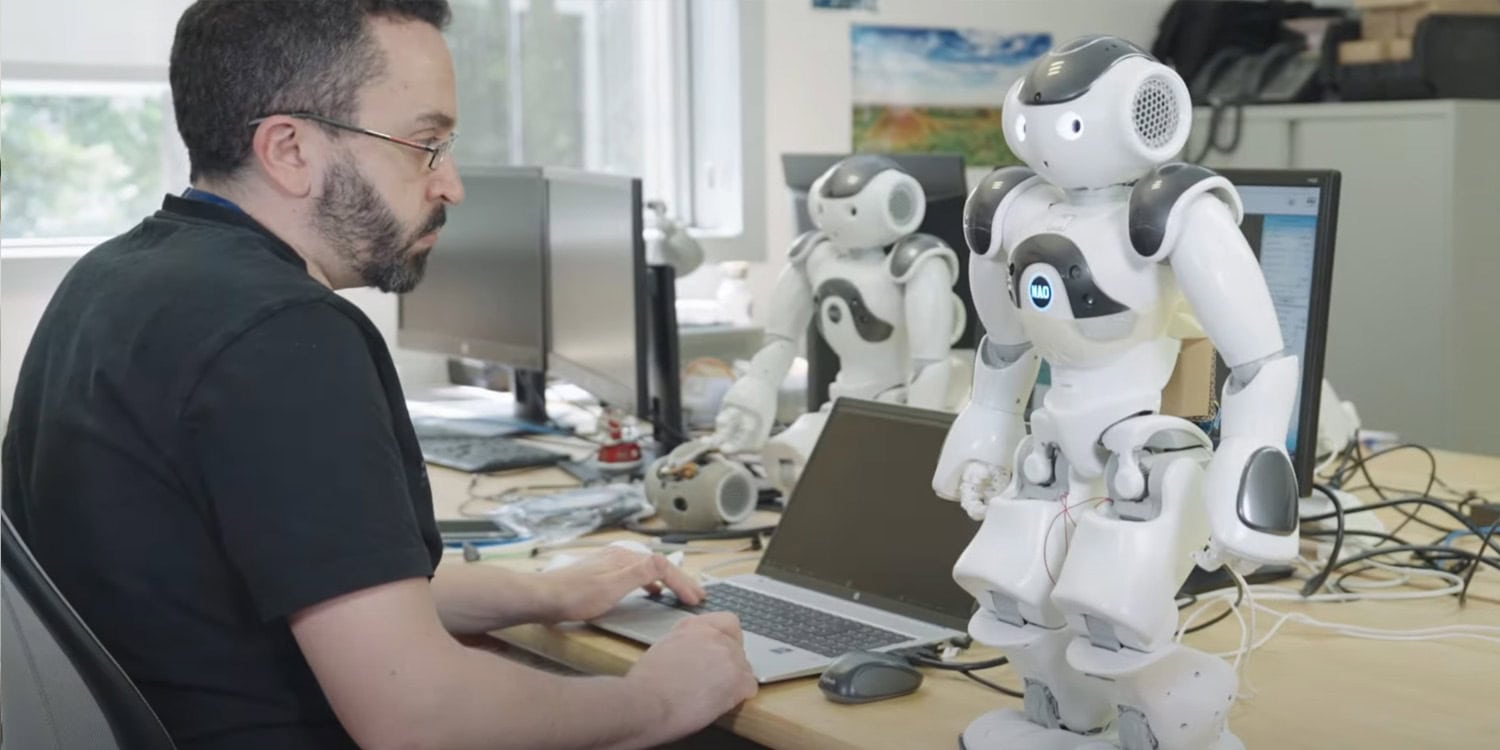
An EdUHK three-arm RCT found a NAO robot delivering 12 weekly social-skills sessions produced significantly greater communication and social-interaction gains for autistic …
Hong Kong, Hong Kong
Good practice
Evidence: Observational / pre–post
Top 46%60/100
Nine AI-equipped portable X-ray units let Kyrgyzstan's National TB Programme screen over 10,125 people in rural, hard-to-reach areas in under a year, …
Kyrgyzstan's Ministry of Emergency Situations runs a national AI module that analyses satellite imagery to track ice-cover and breach risk across 368 …
Bishkek, Kyrgyzstan
Good practice
Evidence: Descriptive / self-reported
Top 46%60/100
Rijkswaterstaat instrumented the Hollandse Brug motorway bridge with 146 strain, vibration and temperature sensors during its 2016 reinforcement, turning it into a …