Under a September 2023 decree enabling voluntary ecological compensation, Finland recorded one of its first private biodiversity-credit deals in March 2026: retailer …
Slovakia's 2023-2027 CAP Strategic Plan pays farmers via the Agri-Environment-Climate Measure (AEKO) and a companion eco-scheme for grassland, organic and biodiversity commitments …
Rwanda's FONERWA (est. 2012), Africa's first GCF-accredited national climate fund, has mobilised ~US$200M across 40+ projects, protecting ~20,000 ha from erosion and …
Kigali, Rwanda
Good practice
Evidence: Observational / pre–post
Top 40%47/100
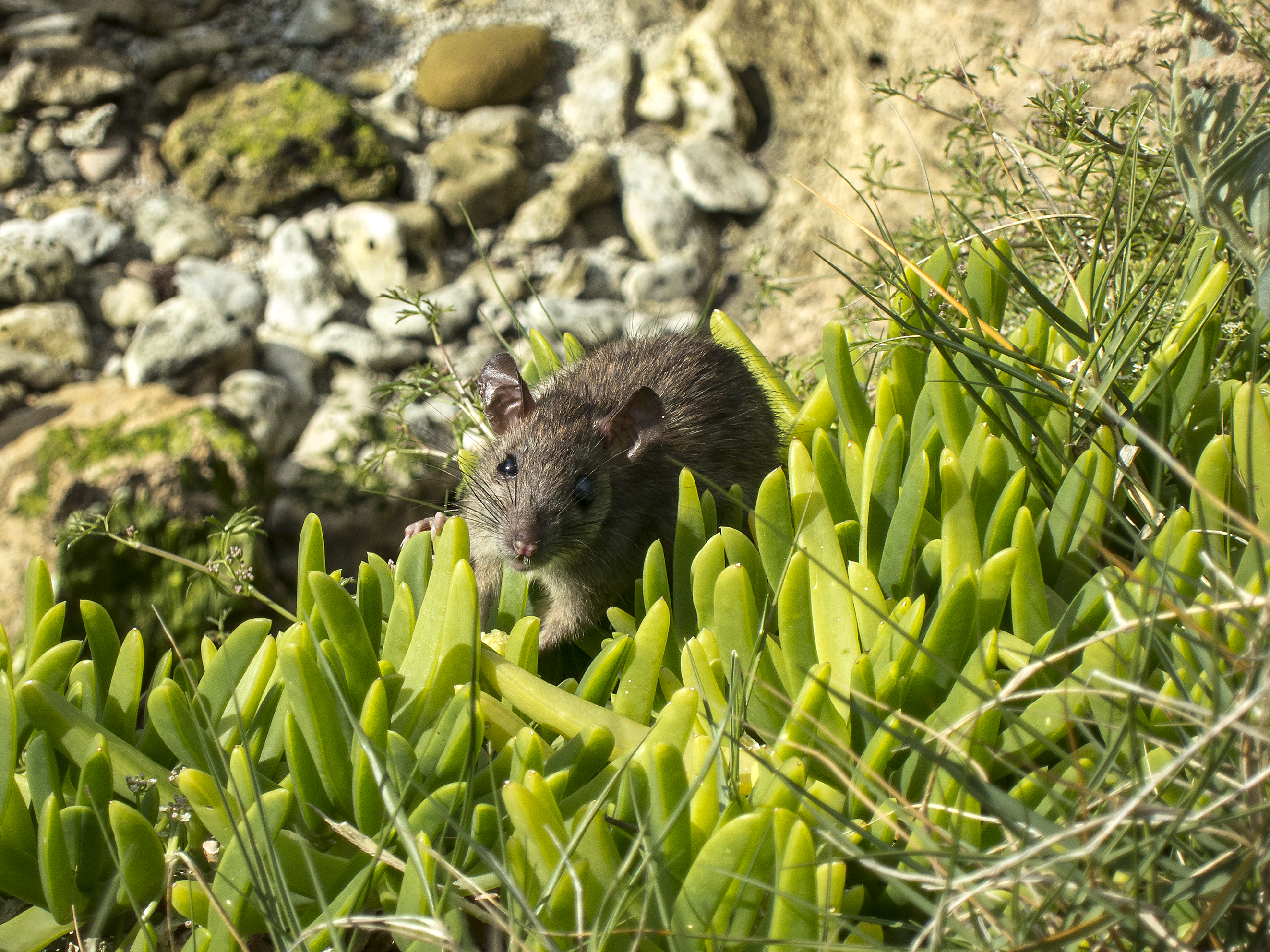
From 1976, Durrell, Mauritius's National Parks Service and the Mauritian Wildlife Foundation eradicated invasive goats (1979) and rabbits (1986) from Round Island. …
Port Louis, Mauritius
Good practice
Evidence: Descriptive / self-reported
Top 40%47/100
South Korea's Ministry of Environment ran a nationwide Nutria Eradication Project (2014-2022) using GPS-tracked field teams and capture incentives; recorded nutria habitat …
Changwon, South Korea
Good practice
Evidence: Observational / pre–post
Top 40%47/100
South Africa's national public works programme paying community workers to rehabilitate degraded wetlands through invasive alien plant removal, bio-engineering and re-vegetation; 1,300+ …
Thailand's national coastal mangrove carbon scheme (T-VER, March 2023): 98 communities enrolled protecting 34,456 ha under 30-year agreements paying US$78/ha year 1 …
Bangkok, Thailand
Good practice
Evidence: Observational / pre–post
Top 40%47/100
Plan Vivo-certified (PV_2011_006) community reforestation in Bolivia's Cochabamba Tropics. Smallholder farmers plant native mahogany, cedar, and 12 other species on deforested land; …
Cochabamba, Bolivia
Good practice
Evidence: Observational / pre–post
Top 40%47/100
Germany's Federal Nature Conservation Act (BNatSchG) has required biodiversity offsetting since 1976. Eco-Accounts allow landowners to pre-register habitat improvements as tradable credits …
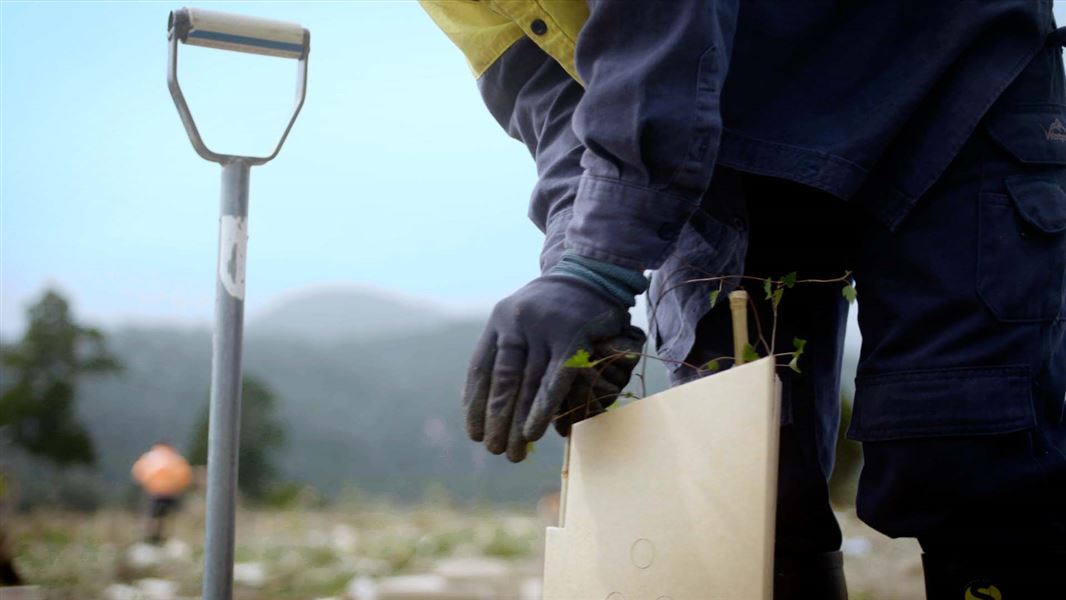
New Zealand’s NZD 1.185 billion pandemic-recovery conservation programme (2020–2025): 225 DOC-led projects employed 11,000+ workers for invasive species control and habitat restoration. …
Wellington, New Zealand
Good practice
Evidence: Observational / pre–post
Top 40%47/100
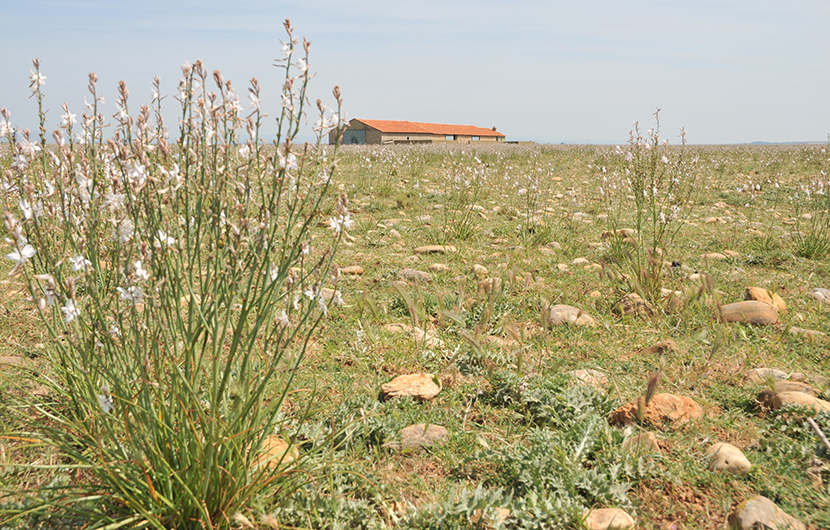
Europe's first supply-side biodiversity compensation site: CDC Biodiversité restored 357 ha of orchards to rare Crau steppic grassland (€12.5M; 2008–10). Great bustard …
Saint-Martin-de-Crau, France
Good practice
Evidence: Observational / pre–post
Top 40%47/100
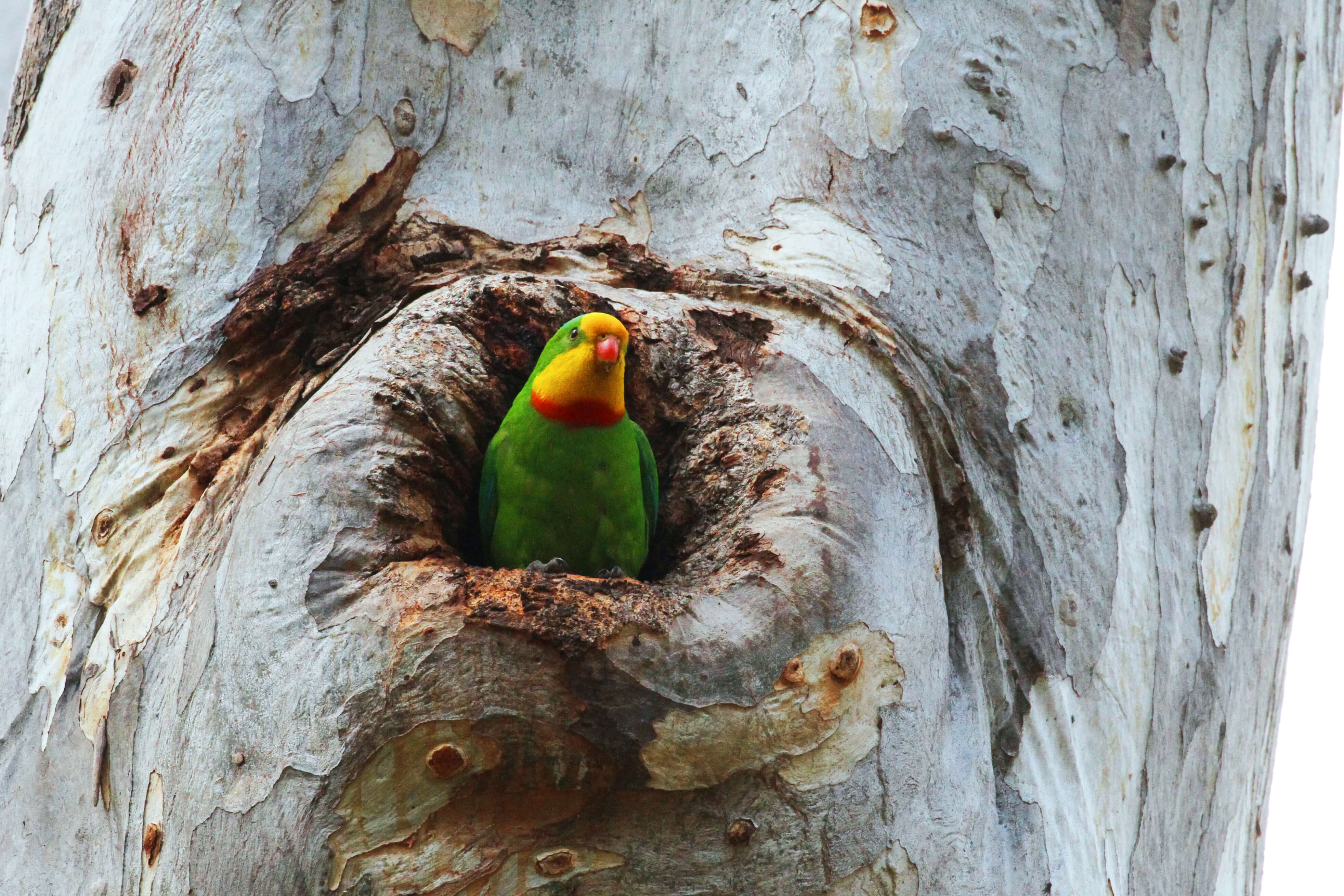
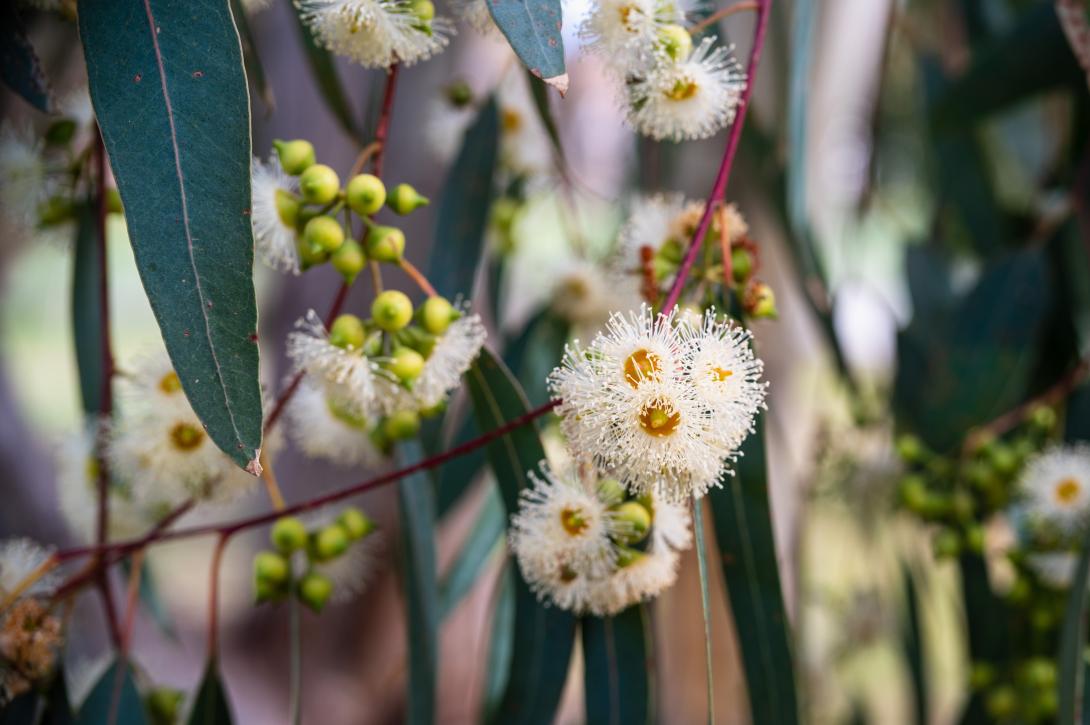
Largest biodiversity credit market in Australia: 381 stewardship agreements covering 109,911 ha under NSW Biodiversity Conservation Act 2016. A$467M Stewardship Payments Fund …
Sydney, Australia
Good practice
Evidence: Observational / pre–post
Top 58%40/100
Heineken Ethiopia's BURQA initiative, with World Vision Ethiopia and Acacia Water, restores the Dabena and Hakim Gara catchments; an independent 2024 baseline …
In 2017 Nestlé's Sheikhupura plant became the first site worldwide AWS-certified; drip-irrigation subsidies with Punjab cut farm water use by 377,500+ m3/yr …
Sheikhupura, Pakistan
Good practice
Evidence: Observational / pre–post
Top 58%40/100
Under the Nature Repair Act 2023, Australia's Clean Energy Regulator runs the world's first legislated national voluntary biodiversity market. Its first project …
Canberra, Australia
Good practice
Evidence: Observational / pre–post
Top 58%40/100
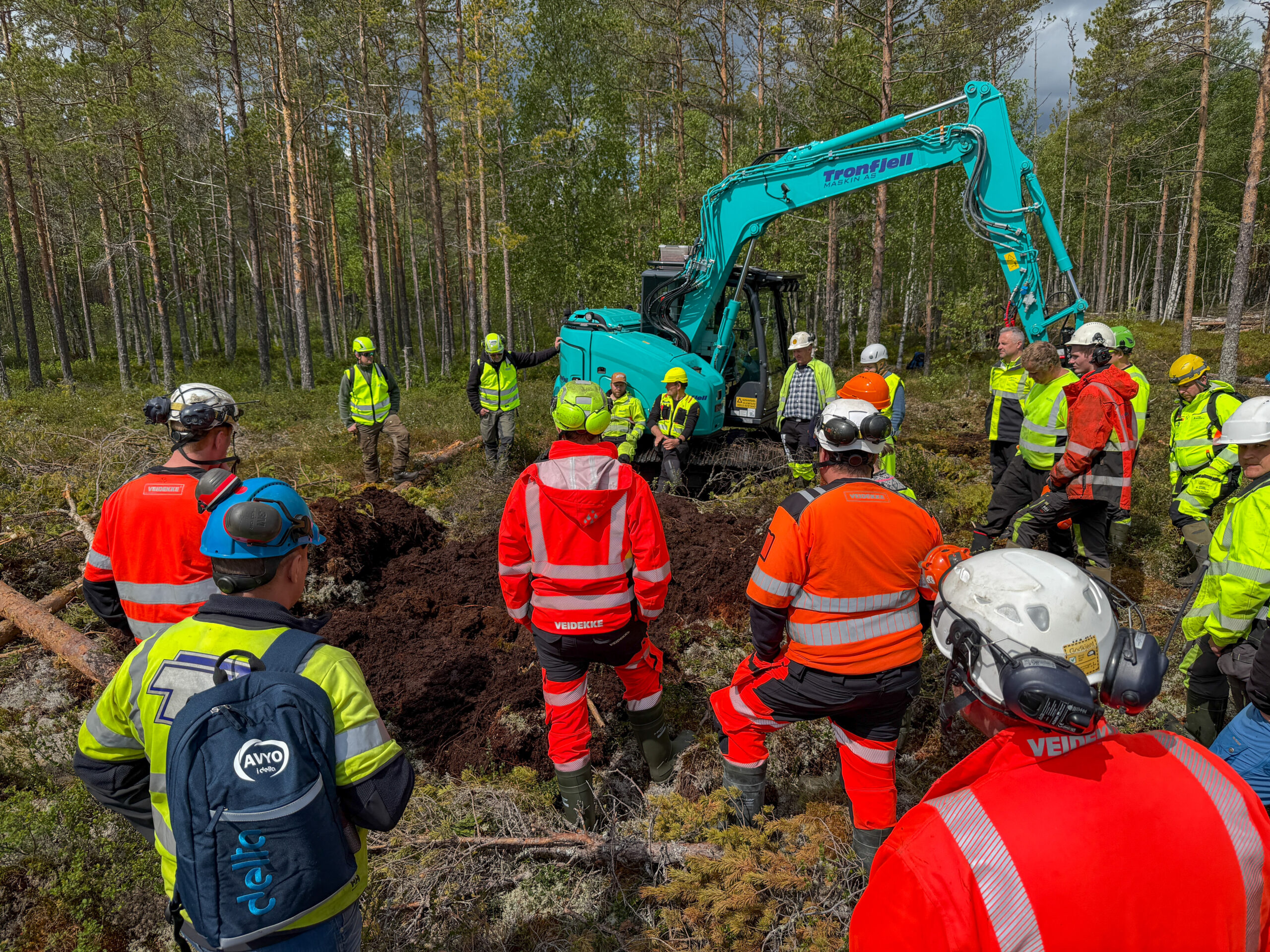
Norway's Environment Agency has rewetted more than 200 drained peatlands since 2015, sealing 550,000 metres of drainage ditches; state grant funding for …