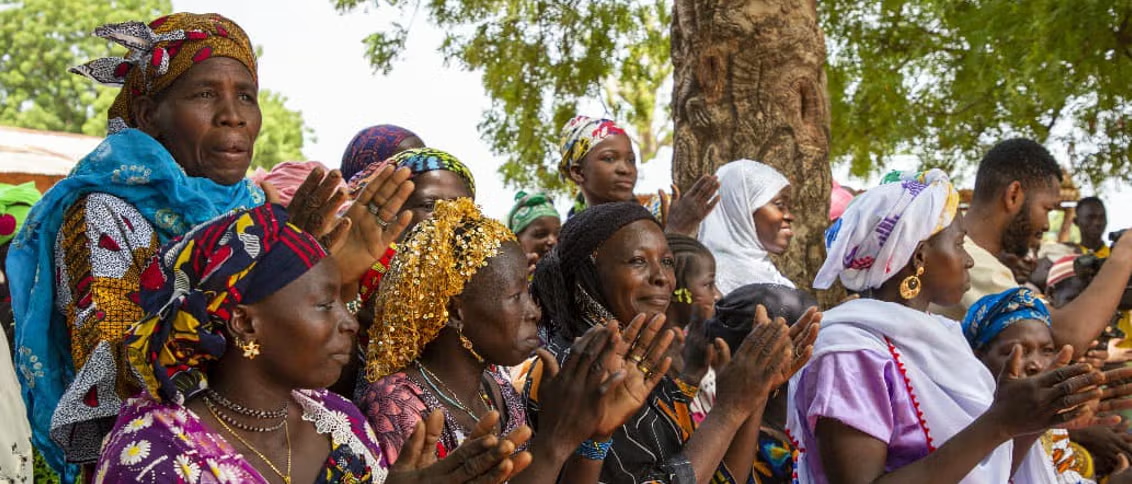
Zambia's GEWEL programme (World Bank/GoZ) delivers livelihood packages to poor rural women and school stipends to vulnerable girls. By end-2024: 139,351 women …
Lusaka, Zambia
Good practice
Evidence: Descriptive / self-reported
Top 10%96/100
UNESCO's human-centred AI competency frameworks for students and teachers, alongside its GenAI guidance and Ethics Recommendation — the global reference for what …
A $7.1M World Bank/GPE-financed project gave Lesotho teachers tech-enabled training and ran youth clubs in junior secondary schools, reaching 40,569 learners, cutting …
Maseru, Lesotho
Good practice
Evidence: Observational / pre–post
Top 24%92/100
A UNESCO-Procter & Gamble literacy programme for 15-55 year-old girls and women across seven Senegalese regions, which added digital kits and TV/radio …
Dakar, Senegal
Good practice
Evidence: Descriptive / self-reported
Top 24%92/100
Tanzania's official eLearning partner providing curriculum-aligned digital content to 3M+ secondary school students in all 25 regions, with an offline LMS for …
Colombian national programme delivering computers, tablets and teacher training to public rural schools since 2001; over 2 million devices placed; independent studies …
EU-funded national programme (CARNET, 2015–2023) connecting all 1,321 Croatian schools, delivering 110,000+ laptops and training ~70,000 people. EU Court of Auditors confirmed …
Zagreb, Croatia
Good practice
Evidence: Observational / pre–post
Top 17%89/100
Technovation Girls has run girls' tech-entrepreneurship programmes in 120+ countries since 2010; an independent 2020 WestEd alumnae study found 76% of alumnae …
Menlo Park, United States of America
Good practice
Evidence: Observational / pre–post
Top 17%89/100
SWEDD (World Bank/UNFPA) in Mali: safe spaces, midwife deployment, husbands' clubs and school-retention support since 2015. Girls' dropout in project areas fell …
Morocco's 2005–2017 programme equipped 87% of 11,000 schools with ICT, trained 260,000 staff and won the 2017 UNESCO ICT-in-Education Prize. Independent studies …
Rabat, Morocco
Good practice
Evidence: Observational / pre–post
Top 1%87/100
University of Pretoria and the hearX Foundation's free AI WhatsApp chatbot trains teachers to spot childhood hearing loss; 12,000+ South African educators …
Pretoria, South Africa
Good practice
Evidence: Descriptive / self-reported
Top 1%87/100
Free AI-literacy curriculum for students aged 11–14, launched April 2023: 30,000+ educators trained across 180+ countries, reaching an estimated 2.9 million young …
Cambridge, United Kingdom
Good practice
Evidence: Descriptive / self-reported
Top 1%87/100
Instead of an unwinnable AI-detection arms race, Sydney redesigned assessment into two lanes — secure in-person assessment of core capability, and open …
Sydney, Australia
Good practice
Evidence: Randomised controlled trial
Top 1%87/100
National programme launched in June 2021 providing free period products in 2,100+ state schools, covering 97–98% of students. Over 600,000 packs distributed …
Wellington, New Zealand
Good practice
Evidence: Observational / pre–post
Top 26%85/100
Since 1978, Jamaica's WCJF has served 46,989 adolescent mothers (aged ≤17) in a school-continuity programme; ~70% return to formal schooling, repeat-pregnancy rate …
Kingston, Jamaica
Good practice
Evidence: Quasi-experimental
Top 26%85/100
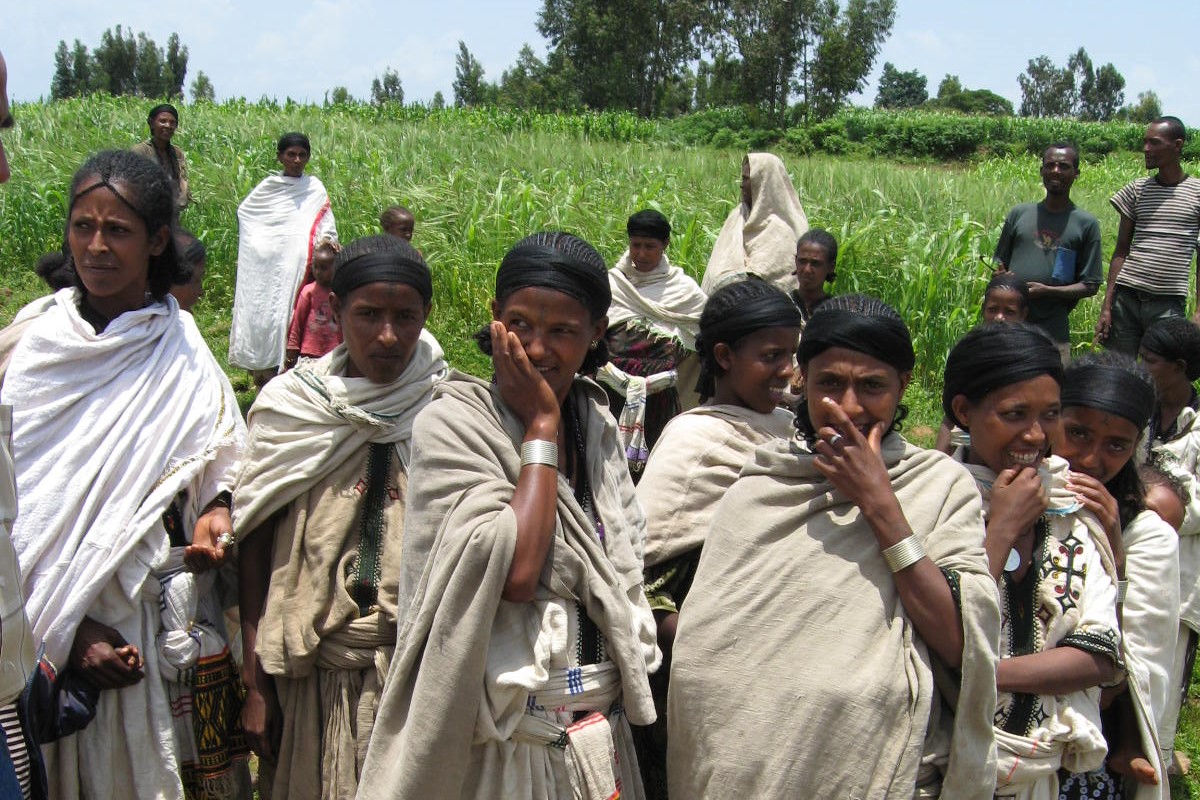
Two-year pilot in Amhara, Ethiopia (2004–2006) combining a conditional goat transfer for unmarried girls in school, safe-space mentoring and SRH education. Girls …
Bahir Dar, Ethiopia
Good practice
Evidence: Descriptive / self-reported
Top 29%82/100
A peer-reviewed Fiji Ministry of Education study combined child-functioning survey data with learning-support-needs data in a rule-based algorithm that more accurately flags …