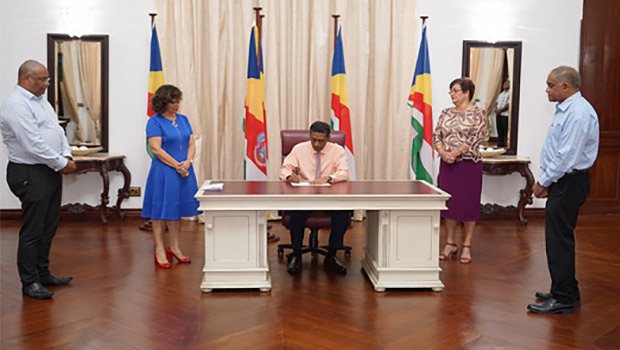
In June 2020 Seychelles replaced its 2000 family-violence law with a Domestic Violence Act covering psychological, economic and sexual abuse and barring …
Tunisia's 2017 Organic Law 58 created the country's first comprehensive law against violence against women, closing the marry-your-rapist loophole, but independent surveys …
Tunis, Tunisia
Good practice
Evidence: Observational / pre–post
Top 67%52/100
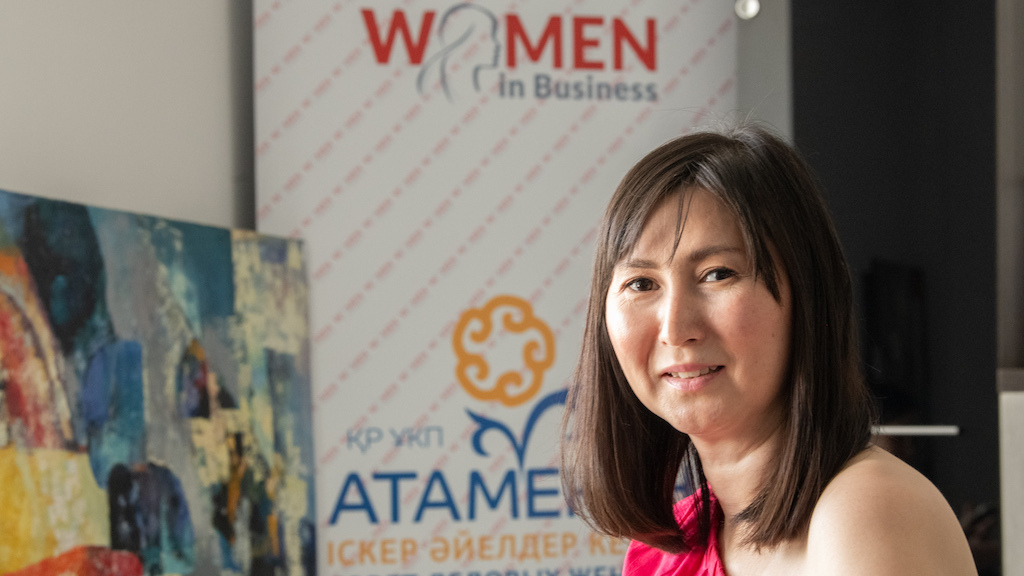
Kazakhstan opened 20 Women's Entrepreneurship Development Centres across all regions by 2023, delivering 84,000+ consultations in 2022 alone. Backed by ADB, UNDP, …
Astana, Kazakhstan
Good practice
Evidence: Observational / pre–post
Top 67%52/100
Passed in December 2016, Law 5777/16 made Paraguay the 18th Latin American country to criminalise femicide (10–30 years' imprisonment), established a Women's …
Asunción, Paraguay
Good practice
Evidence: Observational / pre–post
Top 67%52/100
Supported by the Brussels-Capital Region, this project represents the First European Female Ecosystem aimed at empowering women in technology and innovation. The …
Under Greece's penal-mediation law (3500/2006), the Court of First Instance in Heraklion refers domestic-violence cases to a university lab (LaHeRS) for a …
Heraklion, Greece
Good practice
Evidence: Observational / pre–post
Top 72%48/100
Since 2004, Luxembourg Red Cross's Riicht Eraus programme has counselled perpetrators of domestic violence, now mandatory for people evicted by police under …
Luxembourg City, Luxembourg
Good practice
Evidence: Descriptive / self-reported
Top 72%48/100
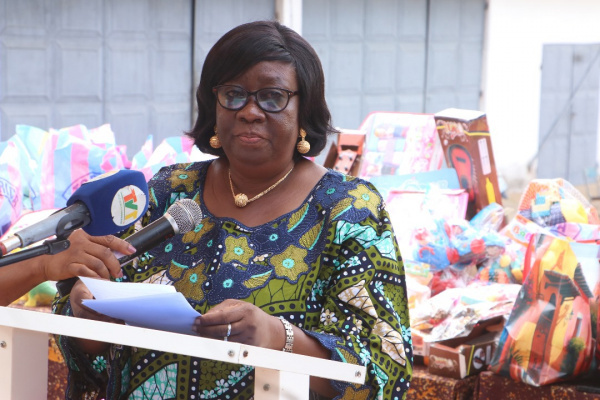
Ghana Police Service's dedicated unit for domestic violence and child abuse has operated in every regional capital since 1998, but peer-reviewed research …
Sierra Leone's Ministry of Finance began tagging budget lines by gender impact in FY2024, piloting Gender-Responsive Budgeting in 5 ministries under the …
Germany's 2017 Entgelttransparenzgesetz lets employees request gender pay comparisons. A 2025 IAB/German Journal of HRM study found it narrowed the gender wage …
Berlin, Germany
Good practice
Evidence: Observational / pre–post
Top 72%48/100
Kenya reserves 30% of government procurement value for enterprises owned by women, youth and persons with disabilities. A decade of independent tracking …
Nairobi, Kenya
Good practice
Evidence: Descriptive / self-reported
Top 72%48/100
Since Sept. 2020, Georgia's Ministry of Internal Affairs and UN Women use GPS ankle bracelets to monitor high-risk domestic-violence perpetrators under restrictive …