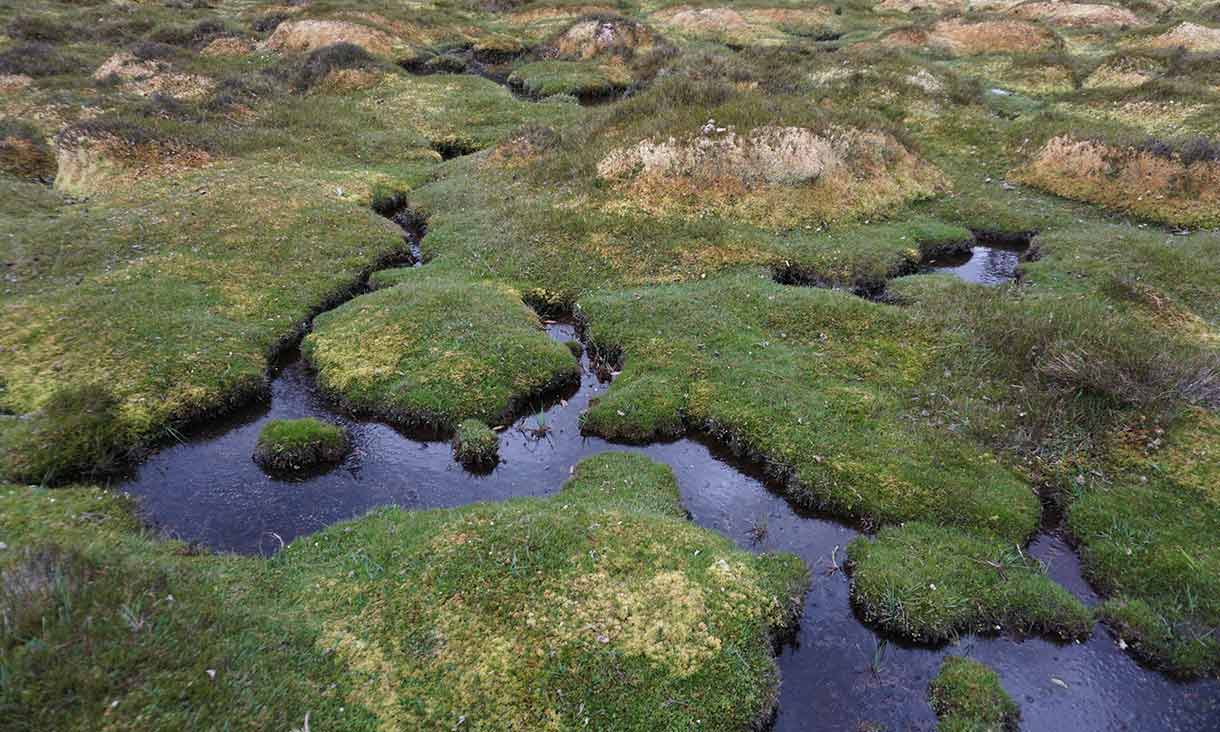
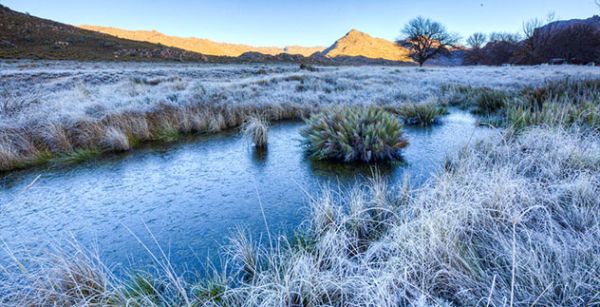
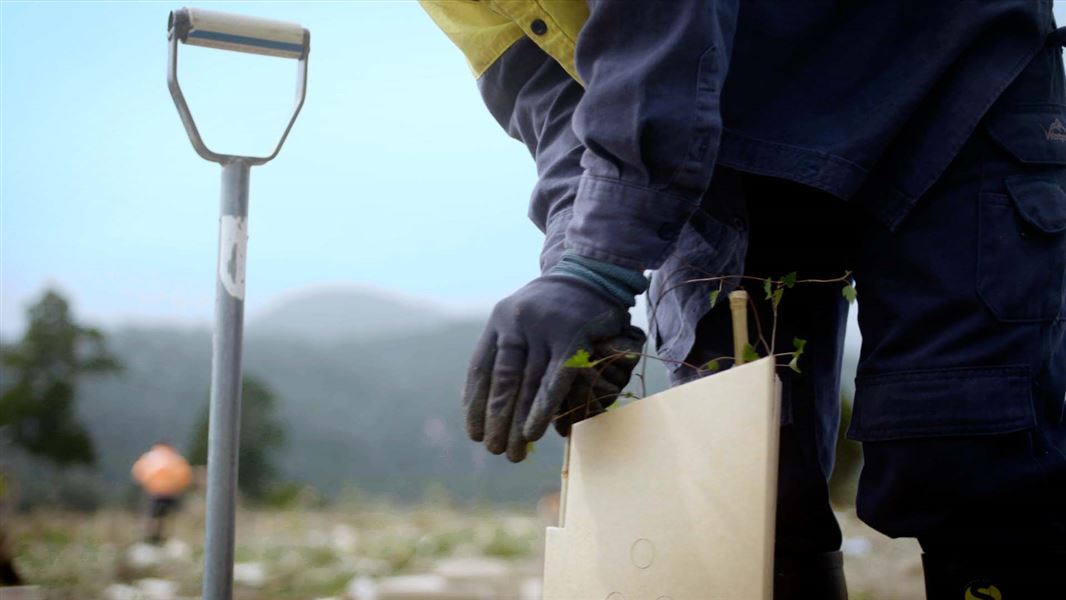
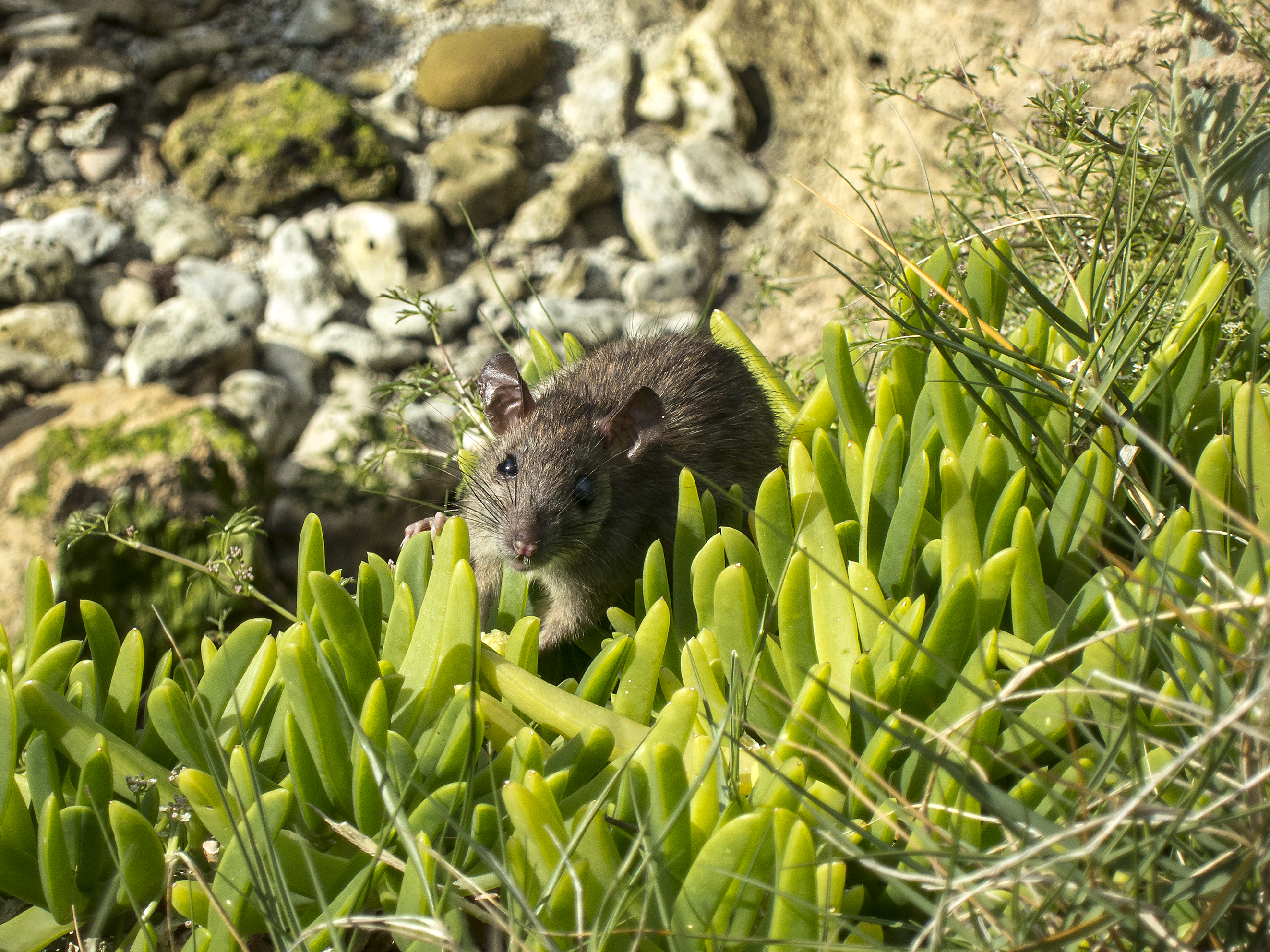
National programme paying contractors to eliminate invasive wilding conifers from ~180,000 ha/year; wilding conifers remove up to 40% of catchment water. NZD …
Wellington, New Zealand
Good practice
Evidence: Quasi-experimental
Top 14%60/100
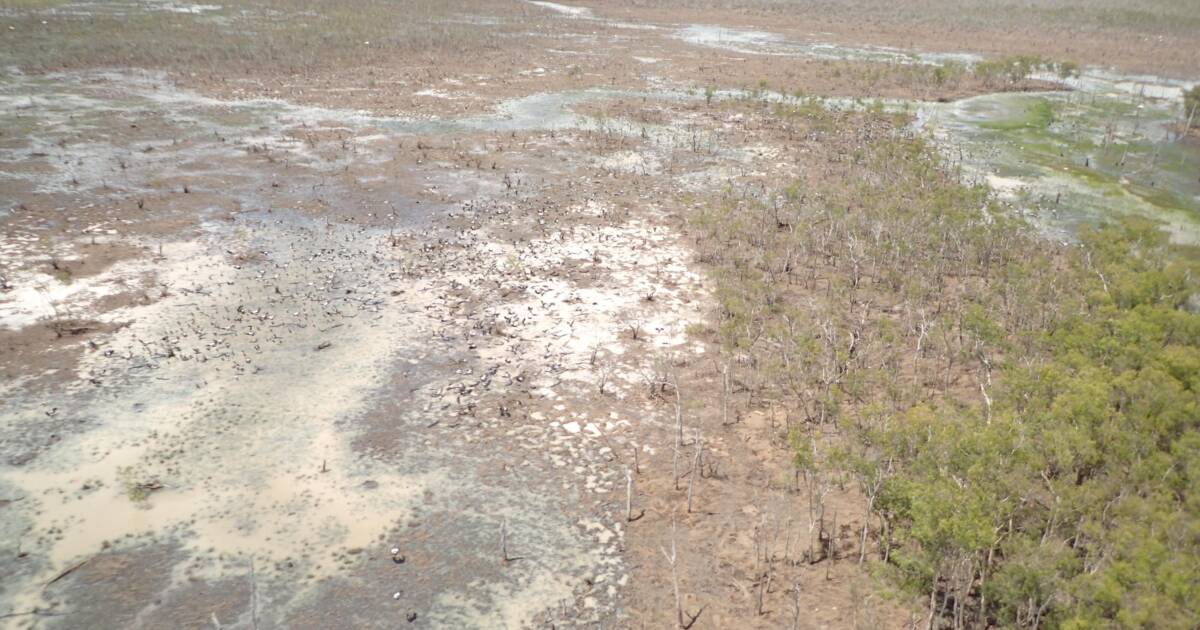
Australia's Indigenous Rangers Program funds 40+ ranger groups across northern Australia to control feral pigs, cats and invasive weeds like gamba grass; …
Darwin, Australia
Good practice
Evidence: Observational / pre–post
Top 14%60/100
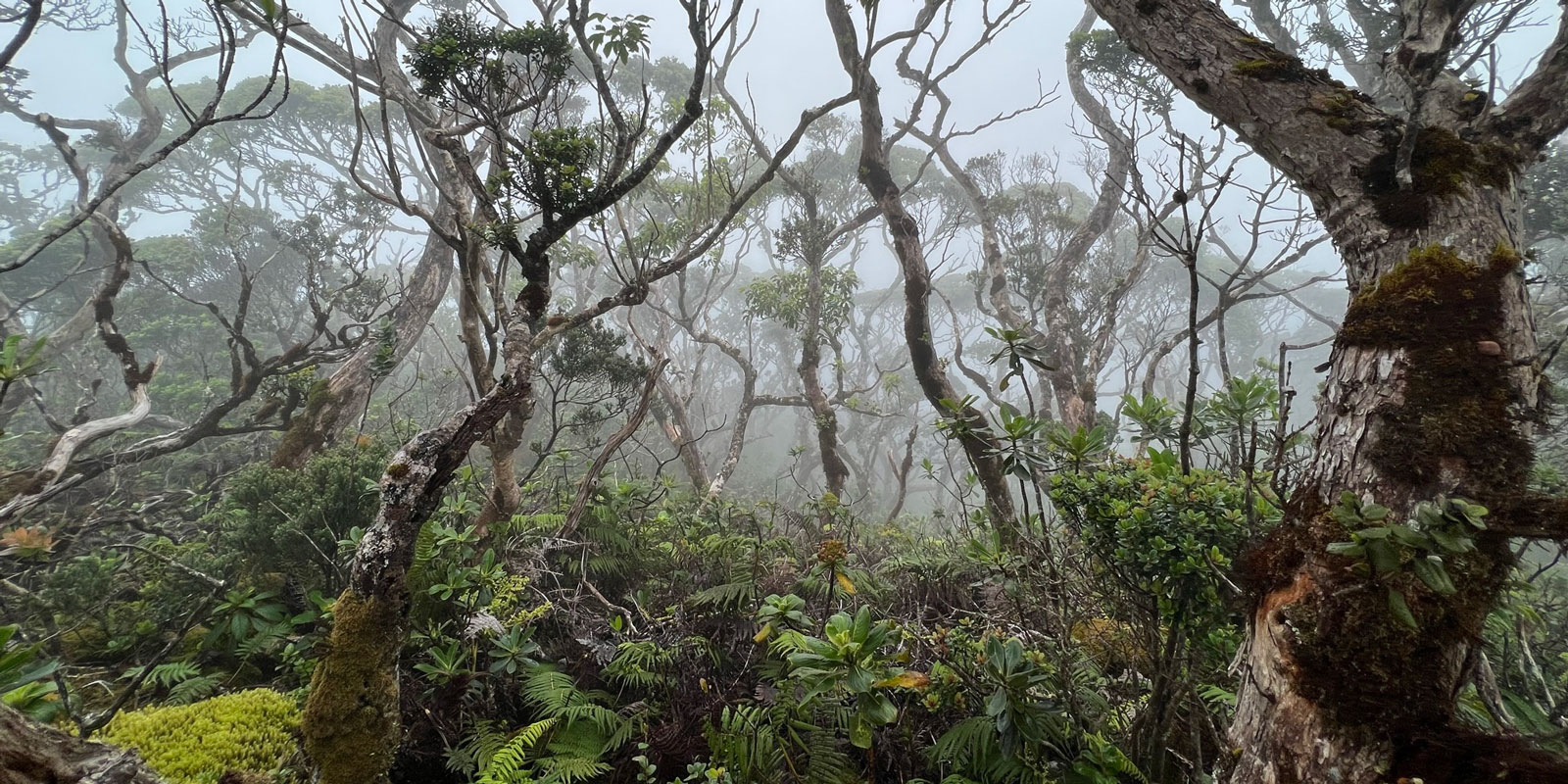
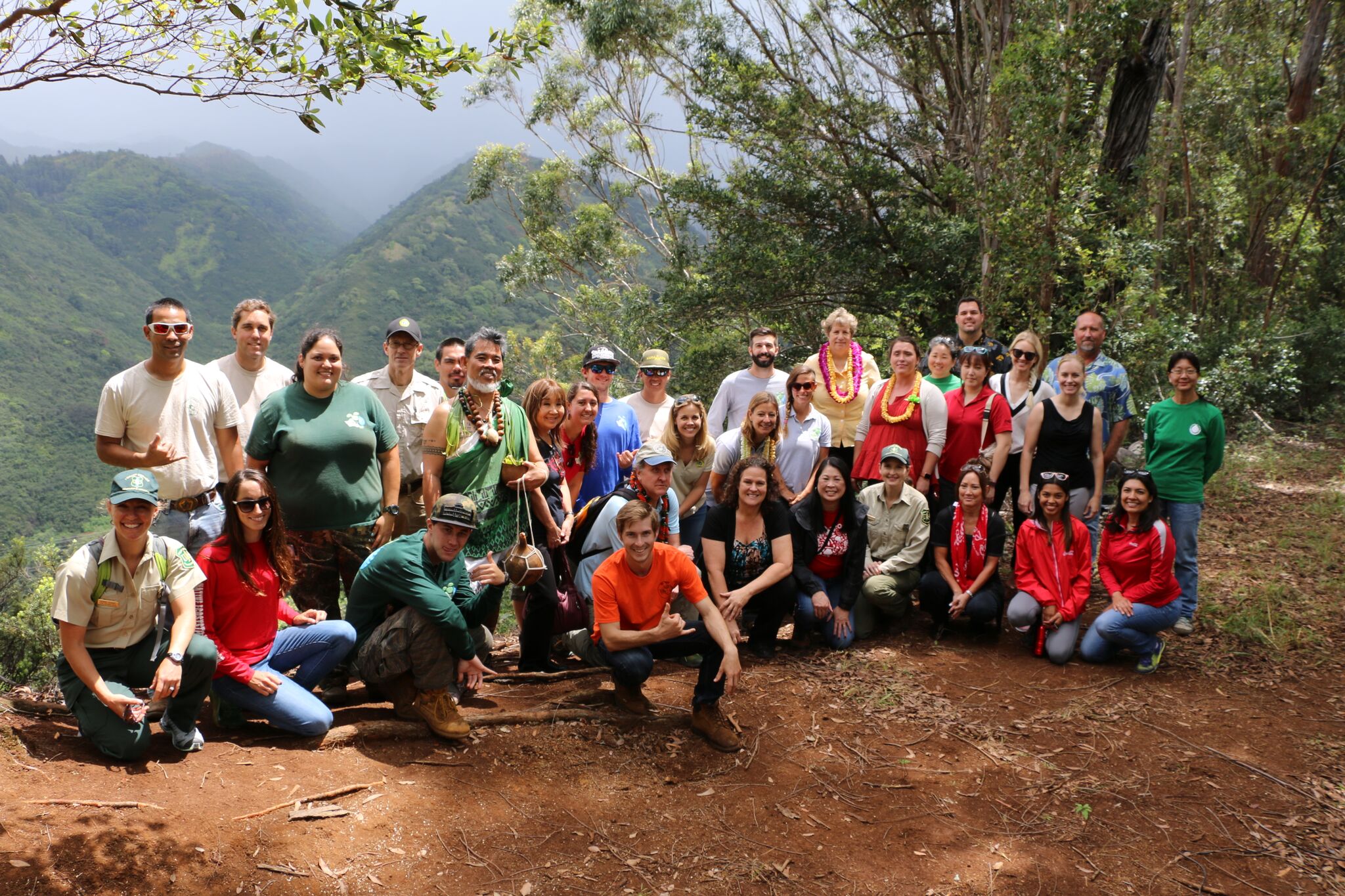
Ten island watershed partnerships co-manage 2.6M acres of Hawaiian native forest through fencing and invasive/ungulate removal. ~US$2.5M annual state funding; US$12M leveraged …
Honolulu, United States of America
Good practice
Evidence: Observational / pre–post
Top 27%53/100
Since 1941, Dutch regional water boards have run a nationwide muskrat/coypu control programme to stop dike-burrowing damage; in 2025 they trapped 84,438 …
Utrecht, Netherlands
Good practice
Evidence: Observational / pre–post
Top 27%53/100
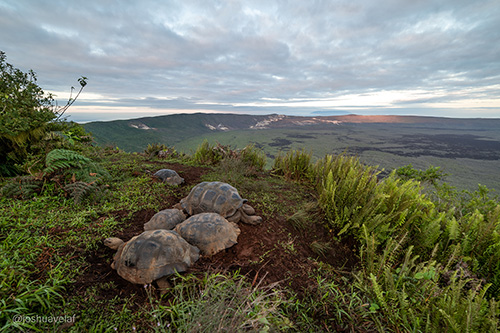
GEF-funded campaign by Galápagos National Park and the Charles Darwin Foundation removed 140,000+ feral goats from 500,000+ ha across Pinta, Santiago and …
Puerto Villamil, Ecuador
Good practice
Evidence: Observational / pre–post
Top 27%53/100
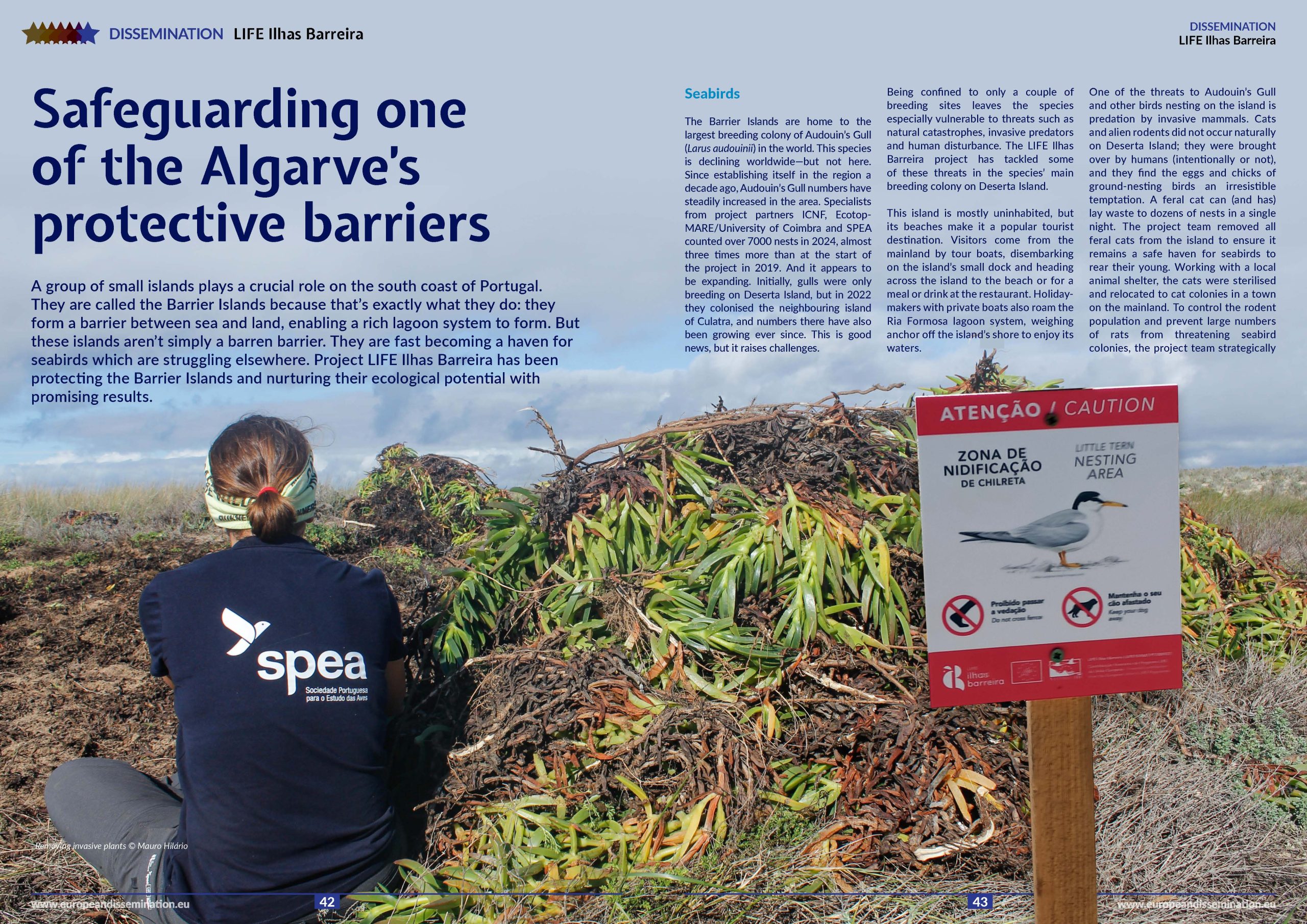
EU LIFE programme (2019–2025, LIFE18 NAT/PT/000927) removed feral cats and invasive plants from Ria Formosa's barrier islands; Audouin's Gull nests rose from …
Faro, Portugal
Good practice
Evidence: Observational / pre–post
Top 40%47/100
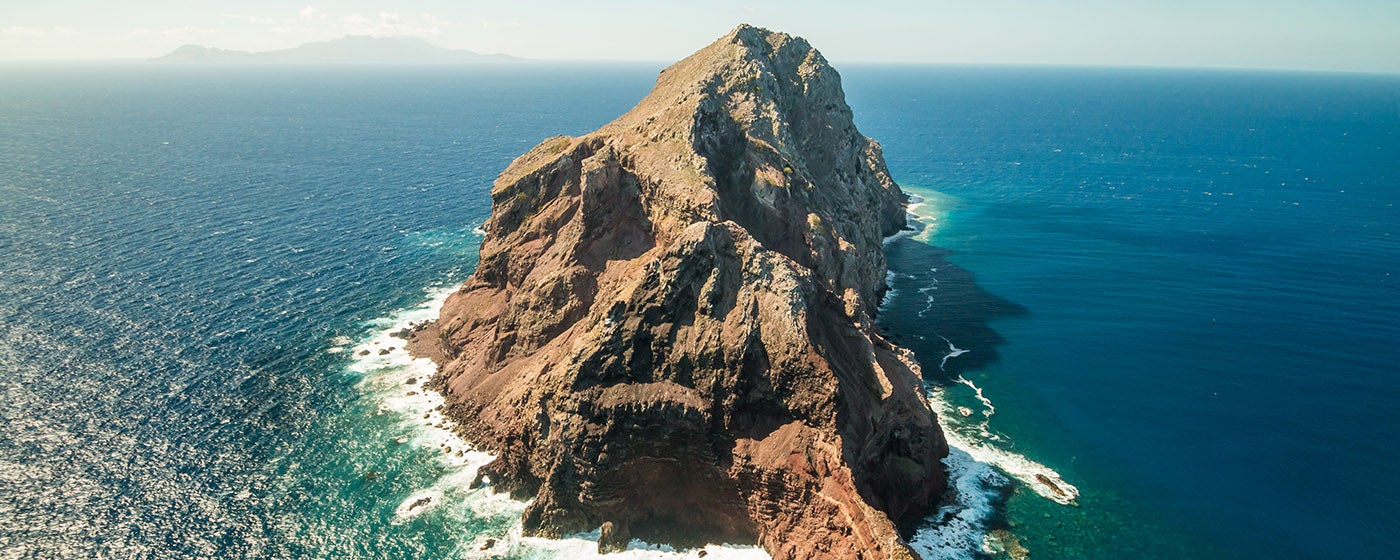
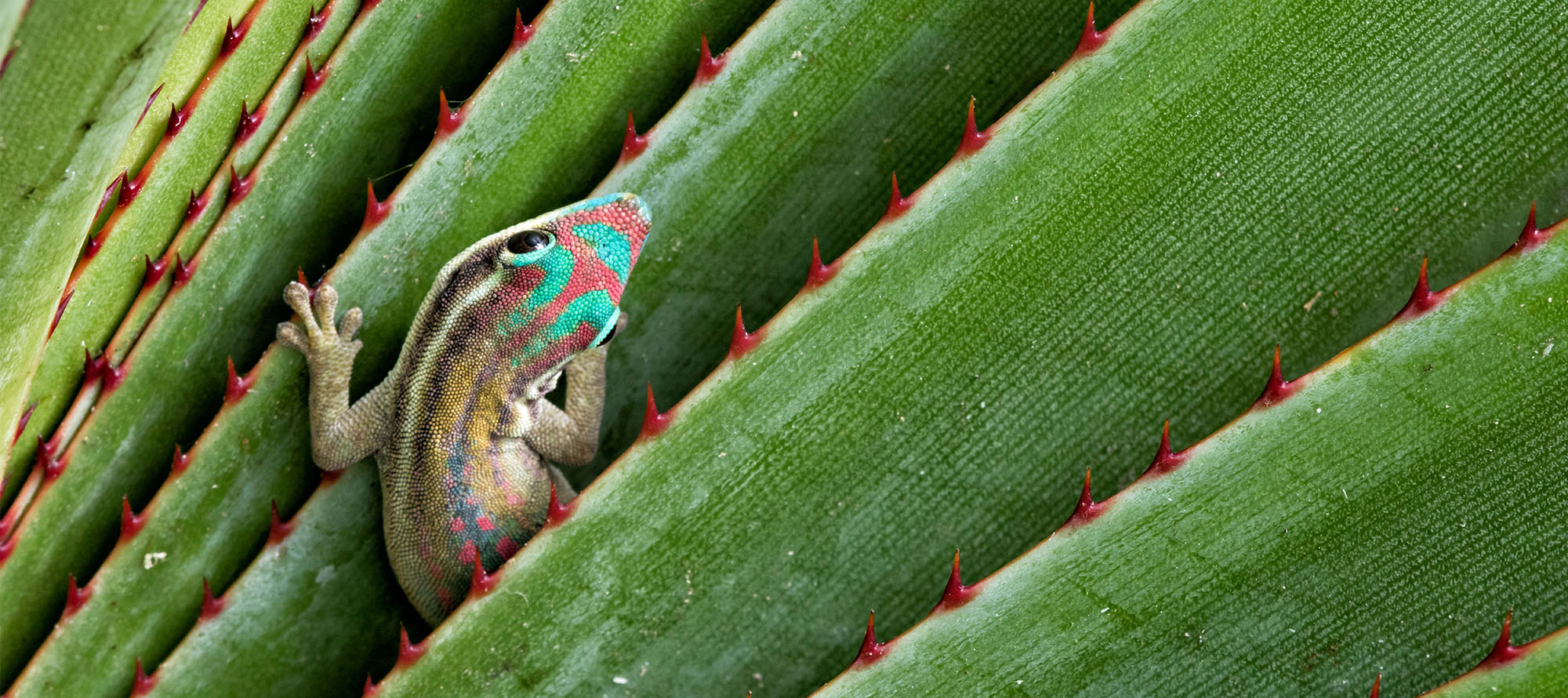
From 1976, Durrell, Mauritius's National Parks Service and the Mauritian Wildlife Foundation eradicated invasive goats (1979) and rabbits (1986) from Round Island. …
South Korea's Ministry of Environment ran a nationwide Nutria Eradication Project (2014-2022) using GPS-tracked field teams and capture incentives; recorded nutria habitat …
Changwon, South Korea
Good practice
Evidence: Observational / pre–post
Top 40%47/100
South Africa's national public works programme paying community workers to rehabilitate degraded wetlands through invasive alien plant removal, bio-engineering and re-vegetation; 1,300+ …
Pretoria, South Africa
Good practice
Evidence: Observational / pre–post
Top 40%47/100
New Zealand’s NZD 1.185 billion pandemic-recovery conservation programme (2020–2025): 225 DOC-led projects employed 11,000+ workers for invasive species control and habitat restoration. …
Wellington, New Zealand
Good practice
Evidence: Observational / pre–post
Top 58%40/100
A three-phase cat eradication (2002–2006) let seabirds recolonize Ascension Island's mainland after roughly 180 years of absence: Ascension frigatebirds grew from 2 …
Georgetown, Saint Helena, Ascension and Tristan da Cunha
Good practice
Evidence: Descriptive / self-reported
Top 58%40/100
A $200,000 Coca-Cola Foundation grant funded a 6.6-mile fence protecting 1,400 acres of native Koʻolau forest on Oʻahu from invasive species, safeguarding …
Honolulu, United States of America
Good practice
Evidence: Observational / pre–post
Top 58%40/100
Argentina and Chile have run a binational GEF/FAO-funded programme since 2008 to control 65,000-150,000 invasive North American beavers damaging up to 40,000 …
Ushuaia, Argentina
Good practice
Evidence: Observational / pre–post
Top 58%40/100
Three helicopter-baiting phases (2011-2015) cleared invasive rats and mice from 108,723 ha of sub-Antarctic South Georgia, the world's largest rodent eradication. Declared …
Grytviken, South Georgia and the South Sandwich Islands
Good practice
Evidence: Quasi-experimental
Top 76%33/100